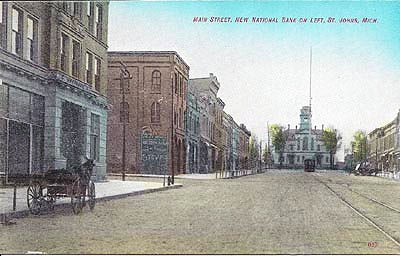
Features

This week’s Mystery Photo

Where is this?

mystery254

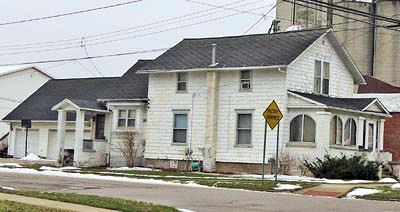
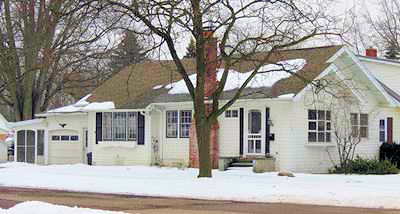
Can you tell us where this is located? Drop us a line at mail@sjindy.com.

207 S. Mead St.

mystery253

The current owners: Ricky and Jeannie Hudson. Previous owner include: Joseph Karber, Joan Gibbs, Robyn – et al Rehmann. Austin Peck lived there in 1950.


A Look Back – Dr. Paul Stoller

by Barry Bauer

stoller

This is a presentation between Dr. Paul Stoller and the two unidentified ladies on the left.

Dr. Stoller had a practice in Fowler before moving to St. Johns. His last office was located at 308 N. Mead St. He passed away at a young age of a heart attack.

Update: Thanks to one sharp-eyed reader we have the full story for you:

Kathleen Cornell (left), of rural St. Johns received a $500 scholarship from the Clinton County chapter of the National Foundation last week, and it was presented to her by Dr. P. F. Stoller, chairman of the scholarship
committee. Looking on is Mrs. Lyle Fenner, outgoing chairman of the chapter”

Full article:
The Clinton County chapter of the National Foundation has awarded its annual $500 health scholarship to a rural St. Johns girl, Kathleen Cornell, 18, daughter of Mr and Mrs James Cornell of West CenterlineRoad, R-5.

Miss Cornell will use the one-year scholarship to start her training for a career in nursing. She will enter the Hurley Hospital School of Nursing in Flint. Her present plans are to specialize in surgical nursing after she becomes a registered nurse.

The scholarship check was presented to Miss Cornell last week by Mrs Lyle Fenner, outgoing chairman of the Clinton
County chapter, and Dr. Paul F. Stoller , chairman of the scholarship committee.

Miss Cornell is a 1968 graduate of Rodney B. Wilson High School in St. Johns, where she was a member of the concert
choir and Wllsonaires, was student director of the play “Oklahoma,” was student council secretary, a member of the National Honor Society and an honor student. She received the Lansing Society of Medicine Technology Award this year. She is also a member of the Pilgrim United Methodist Church.

Members of the scholarship committee include Dr Stoller as chairman, Mrs Luella Canfield, RN, George Eberhard, Dr
G.W. Bennett, Donald Smith, B. Stanley Poculs and CereldaHicks as secretary.


Random Notes – Dorman House is new site of Elsie Arts Council

By Rhonda Dedyne

An item in the Obituaries this week reminded Rhonda of a story she wrote a number of years ago.

Sometimes ants can move mountains.

Or, at least, houses – if the ‘ants’ are committed enough to the cause.

Exactly 100 days from the meeting Sept. 4 where the idea of moving the landmark Dorman House was first discussed by the Elsie Arts Council, what will become the home of the fledgling organization was passing through the main four corners of the village enroute to its new site on the vacant lot where the IGA store once stood.

“It’s pretty incredible,” Arts Council Vice President Maria Menozske said as she watched workers from the Anthes Moving Company inch the house next to the lot where it will be placed onto a foundation this spring.

The dedicated group of area residents managed to raise $16,200 for moving and associated costs in that 100-day period – and overcome other challenges of obtaining the house and securing the use of the IGA lot. Not even the bitter cold temperatures on moving day last Wednesday could erase the smiles on the faces of the EAC volunteers as they watched the house travel west on Main Street and swing around the corner to its final destination next to the Elsie branch of Citizen’s Bank.

“We’re just so pleased that our family home is going to be used and enjoyed by so many people for years to come,” said Phyllis Acre, one of the siblings of Jim Sr. and Esther Dorman who purchased the house in 1942. It was built in 1885.

dorman2

Dorman, 97, is remembered by many village residents for his love of the arts and inquisitive nature that led him to secure a number of patents. The use of the Dorman House as a new home for the EAC seemed like a natural fit to both the Dorman family and members of the group.

Sam Smith of Smith Funeral Homes had purchased the house and lot for future expansion of his facility that is located adjacent to property. He donated the house to the EAC. Numerous other businesses and individuals also provided cash and in-kind contributions that made the ‘house-moving’ possible – including a $5,000 donation by the Dorman family for use as ‘seed money’ by the EAC.

“We are very appreciative of all the donations we’ve received, and for the assistance of the Elsie Downtown Development Authority and Elsie Village Council,” Menozske said, noting cash contributions made by the Elsie Masonic Lodge and Elsie Improvement Association.

The EAC is continuing to solicit donations which will be used for the construction of a new foundation for the Dorman House, and for renovations to the interior and exterior of the structure once it opens – hopefully, this summer or fall.

domangallery

“Our goal from the start was to use the house for art classes and workshops, as well as providing a place for local artisans to display and sell their works,” Menozske said. “The four bedrooms upstairs will probably be used for classes and a ‘period’ room to display art from the time that the house was constructed.”
Along with Menozke and Acre, who serves as secretary for the EAC, other officers are Janet Houska, president, and Dawn Levey, treasurer.

A ‘fun’ on-going fundraiser for the organization is the sale of ‘pickets’ for a picket fence that will eventually surround the Dorman House site. Each picket is carved with the name of the donor; the cost is $15 each.
Donations for the purchase of a Dorman House Picket or contributions of any amount may be made to the Elsie Arts Council, 114 E. Oak St., Elsie, Mich., 48831. Donations are tax-deductible via the Capital Region Community Foundation. For information call Menozske, (989) 862-4449.


Benny and Jessie’s Pet Info – How to Alleviate Arthritic Pain During the Winter

Dog Care for Cold Weather Aches

Many people with arthritis will testify that they feel more pain during cold weather. The problem is doctors have not found a reason for why this is. We assume that part of the cause is the drop in air pressure, which can allow the tissues to swell, or the effect that cold has on the muscles; a stiffening that can be uncomfortable even for those who do not suffer from joint issues. The same holds true for animals that suffer from the effects of arthritis. We can see that they are feeling more pain when the temperatures dip, but doctors cannot tell us why this is happening.

What is Arthritis?

First, what is arthritis? The most common type, for both humans and animals, is the type that is related to age, or wear and tear. Called osteoarthritis, damage begins in the cartilage of the joint. Cartilage is a firm but flexible connective tissue that is found between the bones within the joints – including the joints of the knees, hips, and so on.

When the cartilage in the joints begins to erode over an animal’s life, or when it is damaged due to injury to the joint, the bones in the joint are allowed to come into direct contact with each other, eventually resulting in the erosion of and further damage to the bone. The joints most likely to be affected are the weight bearing joints; those in the pelvis, knees, ankles and spine.

What may begin as mild discomfort for the dog over time becomes increasingly painful, and this is especially true for animals that are overweight, as the weight places excess pressure on the bones in the joints.

Although arthritis is a progressive disease without a cure, some of the pain can be alleviated; in some cases, the disease’s progress can even be slowed. Treatment plans often include a healthy, reduced-calorie diet, therapeutic exercise, massage, and anti-inflammatory medications and/or supplements. For some dogs, alternative therapies may also be considered.

Weight Control or Reduction

One of the best things you can do for your dog right now is to make sure you have him or her on a weight maintenance diet, since extra weight places a lot of extra pressure on the already stressed joints. If your dog is already overweight, you will need to start a weight loss diet.

However before you make any drastic food changes — either in type or amount — you should check with your veterinarian. But do it as soon as possible. The longer you allow your dog to remain overweight, the worse the arthritic pain will be for her. Given enough time, your dog will eventually not be able to move around except through a haze of excessive pain.

Needless to say, feeding your dog a quality, low-calorie, low-fat diet will help her to shed pounds and keep them off. There are even plenty of specially formulated dog foods designed for improved joint function in older dogs. Some dog food companies will even send free samples. Do your research, talk to your veterinarian and try samples of different specialty foods until you find the perfect one for your dog.

Additionally, keep in mind that major changes in the type of food may upset your dog, and that some formulas may not be appropriate for your dog’s age and health. Always check with your veterinarian first.

Activity and Exercise

If possible, it is best to take your dog out for regular activity (a little each day or at least four days a week) at a dog friendly park or dedicated dog park. Start out with short walks around the park and work up from there. If you do not have that option, either because of availability or because of weather, there are an increasing number of exercise centers that are being opened for dogs around the country. Most have swimming pools (assuming they’re not already frozen over), a great exercise for arthritic dogs since it is a non-weight bearing activity.

Use your preferred Internet search engine (Yahoo, Google, Dogpile, Bing, etc.) to look for “dog gyms” and “dog activity centers” in your area. Another alternative is to buy your own treadmill to keep at home so that you can exercise your dog at the convenience of your own schedule and in the comfort of your home. Even regular walks up and down the stairs in your building or home are a form of exercise that will benefit your dog (and you).

It is generally agreed that too little exercise is worse than none at all. If you are going to start an exercise plan with your dog, you will have to stick with it, and the more the better. Also, choose exercises that do not stress the joints too much, or you will have a reluctant dog who is too sore to exercise the next day.

Medications and Supplements

There are some medications that may help your dog, depending on the severity of the arthritis. Your veterinarian can prescribe an anti-inflammatory or corticosteroid drug for your dog to reduce inflammation. There are also injectable medications for the promotion of cartilage repair and protection. Dietary supplements generally do not require a prescription. In fact, the most common ones, glucosamine and chondroitin sulfate, are widely used by humans for the management of joint pain.

While supplements are not designed or marketed as painkillers, they do work to repair and reform the cartilage in the joints. For example, glucosamine and chondroitin give the chondrocytes, the cartilage-forming cells, the elements they need to manufacture new cartilage and repair damaged cartilage. These supplements take some time to begin making an obvious effect, however, and need to be given for life to continue to be effective.

Other supplements that have proven useful for arthritis include green-lipped mussel extract, omega-3 fatty acids, MSM (methyl-sulfonyl-methane), ASU, and SAMe. Again, and as always, check with your veterinarian before giving your dog anything new and untried. Even simple supplements might complicate an undiagnosed, underlying health condition.

Alternative Healing

Along with the growth and acceptance of alternative healing techniques for humans, there has been a subsequent rise in the availability of alternative care for dogs, too. Therapies such as massage, acupuncture and physical therapy can be very beneficial for your dog. In some cases, such as with massage or herbal baths, you can provide the care at home. There may be pet massage classes in your area with instructors that teach the specifics of animal massage, or you can do your own research with books written on the topic – either bought from a bookstore or borrowed from a library.

Take note that it is important to know your dog well and know the correct techniques to use before attempting massage. An incorrectly placed “squeeze” could send your dog into spasms of pain and result in a bite on your end.

As before, use your favorite Internet search engine to find local classes or healers that work with dogs.

Stay Warm

Keeping your dog comfortable and warm is important during the cold season. Providing your dog with a well-padded bed in a warm indoor location or placing a heated blanket (make sure it’s pet safe) in his bed can make all the difference in his outlook. Special equipment, such as ramps to go up and down stairs or onto higher furniture, can allow your dog the ability to move freely throughout the house and to go in and out of the house easier.

Clothing can also help to keep the joints warm. Wrap your dog in a specially designed dog sweater, or alter one of your old sweaters or sweatshirts to fit your dog.


Maralyn’s Did You Know? – Allergy alerts

Lipari Foods Issues Allergy Alert on Dark Chocolate Covered Coffee Bean Products

Lipari Foods, LLC has issued a voluntary recall of dark chocolate covered coffee beans packaged by sister company JLM due to an undeclared allergen of tree nuts (almonds). People who have an allergy or severe sensitivity to almonds run the risk of a serious or life-threatening allergic reaction if they consume these products. The products are safe for consumption by those who do not have an allergy or severe sensitivity to almonds.

The products were distributed to retail stores throughout Indiana, Kentucky, Michigan, Ohio, Pennsylvania, Tennessee, Wisconsin and West Virginia.

Products were distributed under the following brand names Angeli Foods, Harding’s Markets, Goosberries Fresh Food Market, Martha’s Vineyard, Hollywood Market, Daniels Foods, Snook’s Butcher Shoppe, Martin’s, Holiday Market, The Purple Onion, Remke Market or as generic product without branding.

Consumers who have purchased this recalled product should not consume it. They should return it to the point of purchase. Consumers with questions should call Customer Service at 800-729-3354, 8:15 am – 4:30 pm, EST, Monday through Friday.

******

Rucker’s Wholesale & Service Co. Issues Allergy Alert on Uncle Bucks and Cabela’s Classic Candies Maple Nut Candy Peg Bags

Rucker’s Wholesale and Service Co. of Bridgeport, IL is voluntarily recalling all of Uncle Bucks and Cabela’s Classic Candies Maple Nut candy peg bag, due to the presence of an undeclared peanut ingredient. People who have an allergy to peanuts run the risk of serious or life threatening allergic reaction if they consume this product.

The recalled Maple Nut candy was distributed nationwide in Bass Pro Shops and Cabela’s stores.

Consumers who would like a refund, or have questions may contact the company at 618-945-2411, or 800-663-1857 Mon – Fri 7:30AM – 4:30PM CST, or email, customerservice@ruckerscandy.com Consumers with an allergy to peanuts should not eat the product.

*****

Peking Food LLC Issues Allergy Alert For Undeclared Egg

Peking Food LLC of Brooklyn, NY, is recalling Chef Hon Brand Steamed Buns With Seafood & Vegetable and Steamed Buns With Seafood Marinated In Xo-Sauce, because they contain undeclared eggs. People who have an allergy to eggs run the risk of serious or life-threatening allergic reaction if they consume these products.

Chef Hon Brand Steamed Buns With Seafood & Vegetable and Steamed Buns With Seafood Marinated In Xo-Sauce, were distributed to retail stores in New York, New Jersey, Connecticut, Massachusetts, Pennsylvania, Maryland, Virginia, West Virginia, North Carolina, South Carolina, Georgia, Florida, Kentucky, Ohio, Illinois, Michigan, Missouri, Alabama, Mississippi, Arkansas, Texas, and Puerto Rico.

Consumers with questions may contact the company at 1-888-686-7888, Monday – Friday, 8:00 am – 4:00 pm, EST.

*****

Wilderness Family Naturals Issues Allergy Alert on Undeclared Milk

Wilderness Family Naturals of Silver Bay, MN, is voluntarily recalling its Wilderness Family Naturals Organic Coconut Milk Powder and other products that contain this ingredient due to potential milk contamination. People who have an allergy or severe sensitivity to milk run the risk of a serious or life-threatening allergic reaction if they consume these products. The products are safe for consumption by those who do not have an allergy or severe sensitivity to milk.

Customers can contact Wilderness Family Naturals for a refund by calling (800) 945-3801 or sending an email to
info@wildernessfamilynaturals.com.


Maralyn’s Pet Corner – Rat Poison Ingestion in Cats

Anticoagulant Toxicity in Cats

Although designed to kill rats and mice, cats often find rodenticides (rat and mouse poison) tempting as well. Most (but not all) rodenticides are composed of anticoagulants, a type of drug that prevents blood from clotting by interfering with vitamin K, a key ingredient in the clotting process. When taken in sufficient quantities by the cat, it results in spontaneous bleeding (internal bleeding, external bleeding, or both). If left untreated, this could prove fatal for your cat.

What to Watch For

Typically, it takes 2 to 5 days for the following symptoms associated with anticoagulant poisoning to appear:

– Bruising
– Pale gums
– Blood in urine, vomit, feces
– Bleeding from gums, nose, rectum, eyes, ears
– Weakness, staggering gait, depression
– Blood accumulation in the chest (hemothorax), which may lead to shallow or labored breathing
– Blood accumulation in the abdomen (hemoabdomen), which may cause the abdomen to distend

Primary Cause

Cats can ingest toxic doses of anticoagulants by eating rodenticide left on the ground or by eating a rodent that has ingested rodenticide. There are many forms of anticoagulant used in rodenticides; some of the more common forms are warfarin, brodifacoum, bromadiolone.

Immediate Care

Call your veterinarian, the nearest animal hospital or the Pet Poison Helpline at at 1-855-213-6680, especially if you notice your cat is bleeding.

If you can find the container or label for the poison, bring it with you to the veterinarian.

Veterinary Care

Diagnosis

If you should witness your cat eating rodenticide or see pieces of rat poison in her vomitus, anticoagulant poisoning is a near certainty. Otherwise, if your cat should start bleeding without cause, your veterinarian will conduct blood tests to determine if the time it takes for the blood to clot is abnormally long.

However blood tests should not be the only determining factor for diagnosis, as the clotting time for a cat that has only recently ingested anticoagulants is normal, only to gradually worsen until the point where the blood can no longer effectively clot.

If there is uncertainty about whether the symptoms are due to an anticoagulant, your veterinarian will do additional tests to make that determination.

Treatment

If the anticoagulant is suspected to have been ingested within the past two hours, and if you have not already done so, your veterinarian will induce vomiting. Activated charcoal is given orally within 12 hours after ingestion of the poison to absorb any of the toxin that may still be in the intestines.

Vitamin K is also given by injection, followed by 1 to 4 weeks of vitamin K tablets given orally at home. The length of the prescription is determined by the type of anticoagulant.

If your cat is actively bleeding, he will be hospitalized and monitored until the bleeding stops. If blood loss is severe, your cat may require intravenous fluids or a blood transfusion. There may be a need for special treatments if other problems should arise. For example, if there is bleeding into the chest, that blood will need to be drained so the cat can breathe easier.

Other Causes

Human medications that contain anticoagulants, like Coumadin® and other blood thinners, are a potential source of anticoagulant poisoning.

Living and Management

Once your cat is stable, she will be sent home with a vitamin K prescription to be given orally. It is best to give it with canned food, as the fat in the food will help it to be absorbed. It is also important for your cat to get the full course of vitamin K prescribed, even if she seems fine. It often takes a while for certain anticoagulants to be eliminated from a cat’s body. Your veterinarian will schedule follow-up tests to monitor your cat’s blood count and clotting time.

Please note: The vitamin K your veterinarian prescribes is in a highly concentrated form. The vitamin K you can buy over the counter is only a small fraction of the strength needed and will not be enough to help your cat.

Prevention

It is best not to use rodenticides if you have pets or young children in your home. There are other products that can control rodents without the use of poison. Your cat may even be willing to help with the rodent control.

In addition, since you have no control over how your neighbors eliminate rodents, it is best not to let your cat outside unsupervised.

Features

This week’s Mystery Photo

Where is this?

mystery253

Can you tell us where this is located? Drop us a line at mail@sjindy.com.

313 E. Higham St.

mystery252

Archi Tomczyk writes: “I used to work at Rivard’s Nursing Home, and this was referred to as the big house. This was many years ago before Hazel Findlay was built. I have no idea who owns it now.”

The current owner is Tricia Parsons. Previous owners include Walter and Carole Schmidtman, L and R Wilson/F and M Nelson, John and Geogia Rivard, and Timothy and Rachel Zylstra.


A Look Back – E-M-F

by Barry Bauer

leucht

This was the Wm. J. Moss car dealership in the early 1900s. The location was at 201 W. Higham St. They sold both E-M-F vehicles as well as the “Maxwell.”

E-M-F stood for Byron F. Everitt, William E. Metzger, and Walter E. Flanders, the founders of the company. They competed with Ford in those days. Studebaker eventually bought them out.

The dealership changed hands and became the W. M Luecht Chrysler Plymouth dealer.


Benny and Jessie’s Pet Info – How Are Brain Tumors Diagnosed and Treated in Pets?

Though brain tumors occur with fair frequency in both cats and dogs, optimal diagnostic and treatment plans are not well established. Thus brain tumors are considered a challenging disease for both veterinary neurologists and oncologists.

Brain tumors are either primary or secondary, with about equal chance of either of them being the diagnosis. Primary brain tumors originate from cells normally found within the brain tissue itself, or the thin membranes lining its surface. The most common primary tumors are meningiomas, astrocytomas, oligodendrogliomas, choroid plexus tumours, central nervous system (CNS) lymphoma, glioblastoma, histiocytic sarcomas, and ependymomas.

Secondary brain tumors occur when either a primary tumor located elsewhere in the body spreads to the brain (a process known as metastasis) or extends into the brain via invasion from adjacent tissue (e.g., bones of the skull, nasal cavity, eye, etc.).

Brain tumors occur most often in older pets, with the median age of affected dogs and cats being 9 and 11 years, respectively. Certain breeds show a predisposition for developing primary brain tumors: Boxers, Golden retrievers, and domestic shorthair cats are at increased risk.

Brain tumors that originate from the membranes covering the brain (known as meningiomas) occur more often in dolichocephalic breeds—those with long heads and noses—such as Collies. Conversely, brachycephalic breeds, with their short-nosed, flat-faced appearance, are more likely to develop gliomas, which are tumors of the interstitial tissue of the central nervous system.

The most common clinical sign of a brain tumor in dogs is seizures. Cats are more likely to show a sudden onset of aggression. Other signs suggestive of a brain tumor include behavioral changes, altered consciousness, hypersensitivity to pain or touch in the neck area, vision problems, propulsive circling motions, uncoordinated movement, and a “drunken,” unsteady gait. Non-specific signs such as loss of appetite, lethargy, and inappropriate urination are also seen.

There are several recommended staging tests for pets suspected to have brain tumors. These tests are designed to examine for widespread disease in the body, are considered part of a general health screen, and can establish baseline information with which we can compare to in the future.

Staging tests include complete blood count (CBC), chemistry panel, thoracic radiographs, and abdominal ultrasonography. These tests are used rule out an extracranial primary tumor that has metastasized to the brain, or the possibility of another primary tumor located in a distant site. These tests provide owners with peace of mind for moving forward with advanced imaging (MRI/CT) of their pets’ brains. In approximately 8% of cases, results from such tests will ultimately lead to a change in the anticipated diagnostic and treatment plan.

When a brain tumor is suspected, and staging tests are considered clear, the recommended next test is typically magnetic resonance imaging (MRI). The exception would be cases where a pituitary tumor is suspected, as these tumors are better visualized using CT scan.

The only way to definitively diagnose a brain tumor and determine its exact tissue of origin would be through biopsy. While it is ideal to have a diagnosis before proceeding with therapy, veterinarians often recommend treatment based on a presumptive diagnosis from the imaging characteristics of an intracranial mass This is due to the increased risk associated with the procedure and the negative impact the clinical signs seen in affected patients has on their overall quality of life.

There are three primary treatment options for dogs that have been diagnosed with brain tumors: surgery, radiation therapy, and chemotherapy. The objectives of such therapies are to or reduce the size of the tumor and to control secondary effects, such as fluid build-up in the brain. Surgery may be used to completely or partially remove tumors, while radiation therapy and chemotherapy may help shrink tumors or reduce the chance of regrowth following surgery. Medications are also often prescribed to manage the side effects of brain tumors, such as seizures.

The prognosis for dogs with brain tumors is considered guarded to fair. Survival times of 2-4 months are expected with supportive care alone, 6-12 months with surgery alone, 7-24 months with radiation therapy alone, 6 months to 3 years with surgery combined with radiation therapy, and 7-11 months with chemotherapy alone.

As is typical for many aspects of veterinary oncology, accurate prognostic information for cats with brain tumors is lacking.

If your veterinarian suspects your pet has a brain tumor, please consider seeking a consult with a board certified veterinary neurologist or oncologist in your area to understand your options for both diagnosis and treatment.

You can find more information at the website for the American College of Veterinary Internal Medicine.


Maralyn’s Did You Know? – International Foodsource, LLC and Lipari Foods issue a Voluntary Recall

International Foodsource, LLC Issues a Voluntary Recall of Various Raw Pistachios Products due to Possible Salmonella Risk. Salmonella is an organism that can cause serious and sometimes fatal infections in young children, frail or elderly people, and others with weakened immune systems. Healthy persons infected with Salmonella can experience fever, diarrhea (which may be bloody), nausea, vomiting, and abdominal pain. In rare circumstances, infection with Salmonella can result in the organism getting into the bloodstream and producing more severe illnesses such as arterial infections (i.e., infected aneurysms), endocarditis and arthritis.

The products were distributed to food service and retail stores nationally. Lipari Foods products were distributed to food service and retail stores throughout Iowa, Illinois, Indiana, Kentucky, Michigan, Minnesota, Missouri, Nebraska, Nevada, Ohio, Pennsylvania, Tennessee, Wisconsin and West Virginia.

The affected products can be identified by:

– Bulk Raw Whole Pistachio 80% VP 76114 (Sam International Lot# 102914) 30 LBS Boxes 4/29/16 N/A
– Valued Naturals Raw Pistachio Kernels 79249 5 oz Bags 08/10/16 790429241428
– IFS Club Bag Pistachio Raw Shelled 80% Wholes 78634 3 LBS Bags 7/16/16 790429243026
– IFS Web Bulk Pistachio – Shelled 80% Whole 78998 30 LBS Boxes 07/30/16 790429239630

– Fancy Fruit & Nut Mix (Blue Goose Market, Hollywood Market, Market Fresh Fine Foods, Market Square, Roger’s Foodland,Trentwood Farms) 583524
– Fancy Fruit & Nut Mix (Generic) 582164
– Pistachio Raw Whole Shelled (Generic) 481966
– Pistachio Meat Raw (Marv & Alison’s Marketplace, Long Lake Market, Martin’s, Holiday Market, The Purple Onion, Trentwood Farms, Angeli Foods, Market Square, Village Food Market, Martha’s Vineyard, Remke Market) 206661

There are no reported illnesses in connection with this product. This was brought to our attention by FDA after their contract testing laboratory analysis revealed the presence of Salmonella in one of the 19 retail 5oz bags of Valued Naturals Raw Pistachio Kernels, Lot 79249. As a precaution, additional products are being recalled as they may be contaminated since they were packed from the master lot that came to our facility. We are working closely with FDA to determine the cause of this situation.

Consumers who have purchased this recalled product should not consume it. They should return it to the point of purchase. Consumers with questions should call Customer Service at 973-361-7044, 8:15 am – 4:30 pm, EST, Monday through Friday.

Lipari Foods Consumers with questions should call Customer Service at 1-800-729-3354, 8:15 am – 4:30 pm, EST, Monday through Friday.


Maralyn’s Pet Corner – Why is My Cat So Itchy?

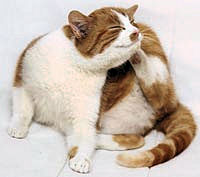
catThe most commonly diagnosed include:
Flea-bite hypersensitivity
Other skin parasites (e.g., mites)
Food allergies
Environmental allergies

The easiest problem to diagnose is flea-bite hypersensitivity, even though finding the fleas can be tricky. If a visual inspection or a flea combing does not reveal the problem, the telltale sign of flea “dirt” (digested blood that the flea deposits in the fur) is usually seen along the lower back, tail base, or around the neck. If no fleas or flea dirt are found, but the cat is scratching in these areas, a treatment trial with a veterinarian-recommended flea medication is warranted. You must treat all pets in the household for several months to completely eradicate the fleas.

Other skin parasites like mites can also cause pruritis. Cats that go outside or are in contact with outdoor pets are more likely to be infested with these pests. Skin mites may be found with multiple skin scrapings or hair combings, but false negative results do occur. Treatment options in confirmed or suspected cases include a topical, broad-spectrum parasiticide (e.g., Revolution or Advantage Multi), or, potentially, lime sulfur dips.

Food allergies (otherwise known as cutaneous adverse food reactions) are typically manifested by scabs and hair loss around the neck and face, but can affect other parts of the body, too. Some cats will also experience diarrhea or vomiting along with the pruritis and skin lesions. Contrary to the popular belief that a food allergy only occurs after a recent diet change, your cat may have been eating the same food for a long time, but only recently developed a hypersensitivity to it. The most common allergy-causing ingredients in cat foods are beef, fish, and dairy. Wheat, corn, chicken, and eggs are much lower on the list.

There are no good laboratory tests to confirm the food allergy. An 8-10 week diet trial with a novel, hypoallergenic diet (for example, duck and pea or venison and pea) is often necessary to confirm. Improvement in pruritis and skin lesions is sometimes evident in 3-4 weeks, but a full 8-10 week trial is often required. For this reason, veterinarians usually rule-out other diseases before recommending a food trial. Most veterinarians also recommend a prescription hypoallergenic diet instead of trying over-the-counter (OTC) foods. Prescription diets are manufactured on production lines that are dedicated to this diet, preventing trace food particles (potential allergens) from entering into the food, whereas OTC brands often are not.

Inhalant or environmental allergies (atopy) often begin earlier in a cat’s life and may start as a seasonal problem in the spring and/or fall. Over time, the signs usually get worse and may occur throughout the entire year. Alternatively, indoor allergens (e.g., dust mites) can cause year-round problems from the start.

The target organ for atopy (unlike the respiratory signs in people) is the skin. Cats may have many different areas of the body affected, making this problem difficult to differentiate from other skin diseases. Often, after eliminating more easily diagnosed problems, veterinarians will try a steroid trial. This involves either an oral medication given daily or an injection given every 6-8 weeks, as needed. The daily medication allows for more precise dosing and less risks of side effects but can be difficult with some cats (to say the least!). An alternative medication called cyclosporine is more in favor now due to fewer side effects; however, it is a more expensive option.

Atopy is a chronic problem, often requiring repeat treatments. Because the long-term use of steroids carries risks (e.g., steroid induced diabetes mellitus), your veterinarian will work with you to decide the best option for your pet.

Diagnosing skin problems in cats is not always easy. It requires patience because several visits to the veterinarian are often necessary, with treatment trials often utilized to reveal the underlying cause. It may take weeks to months to clear up the lesions, as well as long-term management to keep the problem under control.


Remember When? – Matthews Dairy

by Maralyn Fink

This is the location of the Clinton Arts Council now, but back in the day, it was the location of Matthews, our local hangout.

Matthews had a menu of burgers, hot dogs, fries, sodas, sundaes and other foods. With a jukebox for records at 5 cents per pop located with each booth, it was heaven!

If you wanted to hook up with some friends, it was a must to stop in because that is where you would find them.

matthews

The original flooring was still the floor until recently when the Arts Council had redecorating done. When I visited the Gallery, I always admired the floor and for what it stood for.

Matthews ice cream manufacturing plant was located on W. Walker St near Antes Cleaners, and hand dipped ice cream could be purchased there. Another ice cream store known as Richards Dairy was also a notable place for hand dipped ice cream and was located on Brush Street.

Oh, to go back to the simple days for just one day would complete my journey.

Maralyn@sjindy.com

Features

The Lighter Side of St Vincent’s – a courtesy album

Watch a video

https://picasaweb.google.com/110845930262453987007/160213?authuser=0&feat=directlink


This week’s Mystery Photo

Where is this?

mystery252

Can you tell us where this is located? Drop us a line at mail@sjindy.com.

510 N. Clinton

mystery251

The current owner is B & B Developments. Previous owners include Don Britten, Arthur Porubsky, Craig Oliver, Christopher Feneis, and Scott Mendham.


A Look Back – The Studebaker Dealer

by Barry Bauer

studie

“W.M. Luecht and wife in a ‘Studie’ in front of the building. Note the Studebaker sign. My grandfather worked there at least in 1910 when he was 19. You can see the old sign paint under to new Chrysler sign in your photo. Maxwell became Chrysler around 1925. Not sure when my grandfather took it over.

My great-grandfather Johann Luecht had a farm outside St Johns and a schoolhouse where my grandfather attended. My grand-uncle Edward Luecht teamed a wagon picking up milk from area farmers. My grand-uncle Louis also had a farm in the area.”

Thanks to Richard Luecht for the photo and information. This dealership was located at 201 W. Higham St.

Features

This week’s Mystery Photo

Where is this?

mystery251

Can you tell us where this is located? Drop us a line at mail@sjindy.com.

601 S. Oakland St.

mystery250

The current owner is Heather Gilson Theis. Previous owners include Muriel Gilson and Ken Gilson. In 1950 Robert T. Palmer lived here.

Don and Muriel Gilson lived here for many years before their deaths.


A Look Back – The Refrigerator

by Barry Bauer

fridge

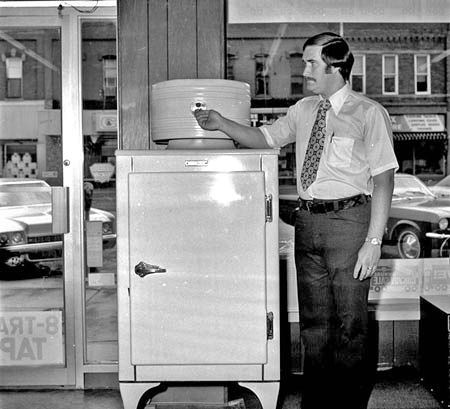
Do you remember a refrigerator like this? I don’t either. Rich Snyder, who at that time was working at Kurt’s Appliance, shows off this beauty in 1974.

Early refrigerators had the refrigeration unit mounted on top of the refrigerator instead of down below like today’s refrigerators. This refrigerator was built sometime in the 1920s.

Kurt’s has a collection of old time appliances in the basement.


Benny and Jessie’s Pet Info – Your Dog’s Nose is Even More Powerful Than You Think

I love to go on walks with my dogs, but they and I have very different ideas about what the point of a walk should be. I am out for exercise with a side of sunshine and fresh air. Apollo’s goal is to smell… absolutely everything! This leads to conflict. I want to keep moving and Apollo wants to stop, and then walk, and then stop, and then walk.

We all know that a dog’s sense of smell is better than our own, but do you know just how much better? I recently watched a TED-Ed Lesson that starts with an excellent explanation of just how a dog’s nose works:

As your dog catches the first hints of fresh air, her nose’s moist, spongy outside helps capture any scents the breeze carries. The ability to smell separately with each nostril, smelling in stereo, helps to determine the direction of the smell’s source so that within the first few moments of sniffing, the dog starts to become aware of not just what kind of things are out there but also where they’re located.

As air enters the nose, a small fold of tissue divides it into two separate flows, one for breathing and one just for smelling. This second airflow enters a region filled with highly specialized olfactory receptor cells, several hundred millions (300,000,000) of them, compared to our five million. And unlike our clumsy way of breathing in and out through the same passage, dogs exhale through slits at the side of their nose, creating swirls of air that help draw in new odor molecules and allow odor concentration to build up over multiple sniffs.

But all that impressive nasal architecture wouldn’t be much help without something to process the loads of information the nose scoops up. And it turns out that the olfactory system dedicated to processing smells takes up many times more relative brain area in dogs than in humans. All of this allows dogs to distinguish and remember a staggering variety of specific scents at concentrations up to 100 million times less than what our noses can detect. If you can smell a spritz of perfume in a small room, a dog would have no trouble smelling it in an enclosed stadium and distinguishing its ingredients, to boot.

The video goes on to talk about how our sense of sight and hearing present us with a picture of a single moment in time, while a dog can smell “an entire story from start to finish.” It also explains how the canine vomeronasal organ lets dogs “identify potential mates, distinguish between friendly and hostile animals, and alerts them to our various emotional states. It can even tell them when someone is pregnant or sick.”

I had reached what I thought was a pretty good compromise with Apollo on our walks. He got to dawdle at the beginning, but at all other times he was expected to get his nose off the ground and keep up the pace. Now, I think I’ll give him a few more opportunities to stop and smell the roses, so to speak.

Take a look at this TED-Ed Lesson; it will give you a new appreciation for what your dog can do with his nose. http://ed.ted.com/lessons/how-do-dogs-see-with-their-noses-alexandra-horowitz#watch


Maralyn’s Pet Corner – Helping Homeless Cats Through the Winter

Street cats, alley cats, wild cats, feral cats, homeless cats … there are a lot of different names we give to these free ranging felines. Most of the time, they take care of themselves, scavenging and hunting for their meals while also depending on the kindnesses of cat lovers, but things can get a lot chancier when the weather turns frigid.

Before we go on, let’s consider why you might want to help your neighborhood’s feral cats. In any neighborhood that supports a healthy (i.e, neutered and released) feral cat population, rodent populations are kept in check, eliminating the need for harmful chemicals and poisons, and protecting the residents of these neighborhoods from the diseases and damage rodents can cause to life and property. Cats are a practical and “green” solution to this universal problem. In addition, a family and neighborhood commitment to caring for a controlled feral cat population teaches our children that we respect life and appreciate the work these cats do for us.

This is why many animal supporters encourage community participation in maintaining their local feral cat population. If you count yourself amongst these supporters, there are ways you can help your local cats to get through the winter with a minimum of hardship. If you can get your neighbors involved, so much the better.

Providing Shelter

Cats don’t need a lot of space, just a space that is large enough for them to stand and move about and stay safe from the harshest outdoor elements. When the weather is at its coldest, the cats will be relying on each other for warmth, and will create their own tight spaces within their shelter. With that in mind, you can use whatever space and materials available to you to create a small haven.

Homemade shelters can be crafted out of nearly anything: from a sturdy cardboard box (think of the heavy cardboard used for packing television sets) to an anchored plastic garbage can to a few pieces of scrap wood that have been arranged as a buffer against the wind and snow and rain. The shelter should be large enough to accommodate several cats comfortably, but not too wide or tall. In fact, the smaller the size, the better the space will be equipped to retain the cats’ body heat.

When creating the entry opening into the shelter, keep in mind that the opening should only be large enough to allow a cat to enter, so that as much of the wind and snow stay outside of the shelter as possible and the interior of the shelter remains dry. If space allows, you can create an awning or plastic “curtain” to shield the entry. Plastic sheeting or heavy garbage bags are quick and inexpensive options for this. If it is not possible to cover the opening, you can try placing the shelter close to a wall, with the entry facing the wall.

If you are able to put a little more work and material into the shelter, try adding insulation to the interior roof and walls of the structure and line the seams of the shelter with caulk so that it is as draft free as possible. Also, elevate the shelter off of the ground to prevent ground moisture from seeping into the floor of the shelter. Of course, you do not want the shelter to be entirely sealed. Some amount of ventilation is necessary, perhaps as some small holes along the bottom of the structure. Bedding material can be added, but blankets and towels are not a practical idea, since they can get wet and moldy and can even freeze, making them unusable. Straw is an excellent material, since it does not hold onto excess moisture, and helps to retain heat.

Finally, be sure to locate the shelter in a safe, concealed spot where the cats feel securely hidden from predators and can watch their surroundings.

Food and Water Access

The cats will require extra calories and fat during the cold weather months in order to maintain their energy requirements. If you can inspire your neighbors to be involved in the project, even if only through drop off donations of food to the designated “feeder of the cats,” the project will have a much better outcome. A dry kitten formula is an excellent source of extra calories and balanced nutrition. Canned cat foods are also a great source of high calorie nutrition, but because of their higher liquid content they may freeze during the coldest temperatures.

Feeding and water stations should be protected from the cold and placed as near to the sleeping shelter as possible so that the cats do not have to be exposed to harsh conditions when they need to eat or drink.

Feeding the cats at the same time each day will allow them to expect and rely on a schedule. If they do not know whether they will be eating or not, they will venture out into the cold to look for food, defeating the whole purpose for the care project. Having a dedicated “feeder,” or a small group of scheduled “feeders” who take turns, can make the process much smoother. Also important to the cats’ survival is fresh, clean water. Of course, snow is an excellent source for water, but don’t forget to check the water bowl regularly to make sure it hasn’t frozen during the night.

While the cats may not be able to thank you in ways you can understand, you will know that they have repaid your kindness with the absence of rodents, and you will know that it is all worth it.

Features

Winter Formal fundraiser a success

by Maralyn Fink

Heading back to St. Johns High School on Saturday night, I attended the St Johns Dance Team Winter Formal fund raiser. This is the second year the team, led by Michelle Lindquist, is doing this event.

The décor of small lights followed a path to the entrance of the building, and the small lights carried into the gym.

I was aware of the new rule, set forth by the Administration, that this would be a non grind-dance event. Arriving in the gym, I saw many students dancing and socializing to the music of DJ Rodney Paige.

Everyone seemed to be having a great time, however there were fewer students than normal due to the new rule.

I only wished that more students would have supported the Dance Team in their fundraiser because like any other group they have expenses they need to meet. The money is used to help pay for competition, costumes, music editing fees and other expenses. In an interview, I learned that the team had discussed canceling the dance but decided to go ahead to show that students could have as much fun without the grind-dancing. Many snacks and drinks were on hand for everyone.

In my opinion this dance was a big success, and I think that the Administration has made it clear that this type of dance does not belong in the school system. I also thank Michelle and the Dance Team for keeping the faith and holding the dance as scheduled that night.

The slow dance brought back memories of my high school days back in the day.

Thank you, Michelle and the team and the students present, for letting me take your pictures and for the interview.

I wish you luck in your upcoming competition on Saturday February 6th at 10 am at the High School.

Now that I have spotted the cookies, I really need one for the road!

maralyn@sjindy.com

https://picasaweb.google.com/110845930262453987007/160123?authuser=0&feat=directlink


This week’s Mystery Photo

Where is this?

mystery250

Can you tell us where this is located? Drop us a line at mail@sjindy.com.

201 E. Lincoln St.

mystery249

The current owners: Davis and Linda George, Terri. Previous owners include Evelyn Castner, David Skeels, Jeffrey L. and Lynsey R. Smith.


A Look Back – J. D. Robinson

by Barry Bauer

jd
Bob Pratt and J. D. Robinson

When a man becomes president of the Rotary Club, serves as postmaster, and has a variety of hobbies and other organizations to serve, he is what one might call a “busy man.” J. D. Robinson has been a member of the Rotary Club since 1952 and served as vice-president last year and is president this year. The club was organized originally in 1926 and the members meet every Tuesday noon at Walker’s Cafe. They have a present membership of 49.

Theme of the international organization is “Club, Community, Vocational and International Service.” Twice a year the men honor their wives at special dinners and the local group has been especially helpful to the youth of Clinton County. They also aid crippled children, send students abroad to further their college education, and annually sponsor a “Youth Talent Show” where students enter projects in science, arts, and crafts. This year they will help sponsor the 4th of July celebration at the city park and they recently served on the city street clean-up.

To join the club one must be sponsored by a club member, and if his classification can be cleared, the last requirement is approval of the club members. The club requires 90 per cent attendance at all meetings.

Other officers of the club this year are: Bruce Fowler, vice president; Dwane Wirick, secretary; and Ken Munger, treasurer. The board of directors includes: Fowler, Jim McKenzie, and Paul Nobis for one-year terms and Roy Briggs, Don White, Stanley Cowan and John Rumbaugh for two-year terms.

Robinson has been employed at the post office for 28 years, beginning as sub-clerk and carrier. He has served as postmaster for the past ten years. He lives at R-3, St. Johns, and his family includes his wife Erma, one daughter, Jean Martin of St. Johns, two step-daughters, Sharon Huggett of Marlette, and Barbara Waggoner, a senior at the University of Michigan, and six grandchildren. Camping is their favorite hobby and they belong to the “Starcraft Campers Club.” Photography and stamp collecting are other interests, but Robinson has little time to pursue either in depth.

J. D. has lived in Clinton County since he was 4 years old, is a veteran of the Air Force (serving during World War II), a member of the American Legion, and serves on the executive board of the United Methodist Church in St. Johns. He’s also a member of the National League of Postmasters, the National Association of Postmasters and is presently serving as area director of the seventh district.

Robinson says the outstanding memories he has on his career at the office is the big fire they had in July 1962 that caused extensive damage throughout the building. The post office now has 27 employees, three supervisors, six rural carriers, five city carriers and one city auxiliary carrier. They serve 1,927 deliveries on the rural routes and make 2,735 daily stops in the city, for a total service to approximately 15,000 residents per day.

Another interesting item about Robinson is his name. J. D. is all there is to it and people are constantly telling him they want his complete name and not just his initials.

This article is from 1969.


Benny and Jessie’s Pet Info – Canine Flu Update – Vaccines and More

Flu season is upon us, at least in the world of human medicine. Despite the fact that canine influenza doesn’t seem to be nearly as seasonal as human influenza, I thought I’d take the opportunity to update you on some recent changes in the landscape of dog flu.

First of all, veterinarians and owners now have two types of dog flu to deal with. H3N8 strains of the virus were first diagnosed in dogs in 2004, developing after the equine influenza virus mutated and gained the ability to spread from dog to dog. Earlier this year, a new strain—H3N2—arrived in the U.S. from Asia and started wreaking havoc, particularly in the Midwest. Both the H3N8 and H3N2 strains of dog flu are now being diagnosed across large parts of the country.

The symptoms of dog flu are typical of many different respiratory infections. Some combination of coughing, sneezing, a runny nose, poor appetite, lethargy, and a fever are usually seen. It is impossible to tell which virus or bacteria (or combination of viruses or bacteria) is to blame for a dog’s symptoms without laboratory testing. Many veterinary diagnostic labs offer respiratory panels that will identify what pathogens are present. In particular, Cornell University’s Animal Health Diagnostic Center recommends a panel that includes polymerase chain reaction (PCR) tests for “canine adenovirus, canine distemper virus, canine parainfluenza virus, canine respiratory coronavirus, canine pneumovirus, Bordetella bronchiseptica, and Mycoplasma cynos along with matrix influenza PCR. Influenza A positive samples will be further characterized as H3N8 or H3N2 at no additional cost.”

Panels like this one are best run within a day or two of the dog developing signs consistent with a respiratory infection since PCR tests look for the presence of the pathogens themselves. If a dog is to be evaluated later in the course of the disease, antibody tests may be a better option, although previous vaccination can complicate interpreting the results.

Which brings me to the topic of vaccination. An H3N8 dog flu vaccine has been around for a while, but just a couple of weeks ago Merck Animal Health announced that their new H3N2 vaccine received a conditional license from the FDA and is now available to veterinarians.

According the U.S. Department of Agriculture, conditional licenses “are used to meet an emergency condition, limited market, local situation, or other special circumstance.”

The data required for conditional licensure are reduced from that needed for full licensure in that there needs only to be a “reasonable expectation” of efficacy…. Conditionally licensed products must meet the same safety and purity requirements as fully licensed products.

The decision of whether or not to vaccinate a dog against canine influenza can be complicated even when we’re not dealing with a conditionally licensed product. The flu can make dogs quite sick, a few individuals will even die, but most recover uneventfully. Also, flu vaccines don’t actually prevent infection with the virus. They are designed to decrease the severity of the illness that results and reduce the spread of the virus. This last point may be especially important with regards to the H3N2 dog flu virus. As a Merck news release states:

According to clinical studies by researchers at the University of Wisconsin, the CIV [canine influenza virus] H3N2 may be shed for an extended period of time – up to 24 days, which is far longer than what is seen with CIV H3N8.2 As a result, the infection can spread quickly among social dogs in inner cities, doggie daycares, boarding facilities, dog parks, sporting and show events and any location where dogs commingle.

“Based on experimental studies in Asia and the rate of spread we’ve observed, I would estimate that H3N2 produces 10 times more virus than H3N8, which makes it far more contagious,” said Edward Dubovi, Ph.D., Professor of Virology and Director, Virology Laboratory, Animal Health Diagnostic Center, College of Veterinary Medicine, Cornell University. “Preventing the transmission of the disease through vaccination is highly recommended for those dogs that have lifestyles that put them at greater risk.”

Talk to your veterinarian about the pros and cons of vaccinating your dog against H3N8 and/or H3N2 dog flu.


Maralyn’s Did You Know? – House of Flavors Issues Allergy Alert

House of Flavors, Inc. is voluntarily recalling a small batch of 8 oz. cups of Purple Cow Limited Edition Cookie Butter Ice Cream, sold at Meijer stores, that contain Purple Cow Butter Pecan Ice Cream with a Purple Cow Butter Pecan lid. Consumers who may have a severe allergy or sensitivity to nuts run the risk of potentially life-threatening allergic reaction if they consume this product.

For consumers who are not allergic to nuts, there is no safety issue with this product. The company is conducting an internal audit to determine possible cause. To date, there has been one complaint and no illnesses reported related to the recalled product.

Only 8 oz. cups of Purple Cow Limited Edition Cookie Butter that contain Purple Cow Butter Pecan Ice Cream with a Purple Cow Butter Pecan lid sold at Meijer with UPC Code 13733 61945 and marked Best By November 21, 2016 are affected by the recall. The product was sold at Meijer stores in Illinois, Indiana, Kentucky, Michigan, Ohio and Wisconsin. No other Purple Cow products sold at Meijer stores are involved in the recall.

House of Flavors and Meijer are taking precautionary steps, including removing all potentially-impacted products from Meijer shelves and the entire distribution system.

Consumers who have purchased the recalled products should return them to the store where they were purchased for a full refund. Anyone requiring more information should contact House of Flavors consumer affairs at 1-800-930-7740, extension 2229, Monday through Friday 7 a.m. until 5 p.m. (EST).


Maralyn’s Pet Corner – Cat Hairball Problems?

Learn Why They Happen and How to Help

Hairballs are the bane of cat ownership. These clumps of hair bond together in the stomach and then are vomited up in our shoes, carpets and floors. But are cat hairballs normal, and is there any way to prevent them in the first place? Let’s take a look.

Are Cat Hairballs Normal?

Technically speaking, cat hairballs are not normal. Cats have been grooming themselves for thousands of years and their digestive tracts are built to handle the hair that is inevitably swallowed. Hairballs should move through the digestive system and come out the other end. However when this process goes awry, the hair can clump together in the stomach and does not pass into the intestinal tract. It causes enough irritation that a cat will usually vomit up the wad; and voila, you have a hairball.

When I’m presented with a cat that brings up the occasional hairball and absolutely everything else appears to be perfectly normal, vets usually don’t initially recommend an exhaustive work-up (that would take gastrointestinal biopsies). They might perform a physical looking for both GI problems and dermatological conditions that could increase shedding, run a fecal exam, and if they feel they’re warranted (or the owner wants to be especially thorough), recommend a comprehensive panel of blood work (including a check of thyroid levels) and a urinalysis.

Why Do Hairballs Occur?

Cat hairballs can occur for a few reasons, but the vast majority of cases can be attributed to:

1. Ingesting more hair than normal.

Skin diseases (e.g., external parasites, infections, and allergies) can all cause cats to shed and/or groom themselves excessively, which in turn may lead to hairball issues. Extreme grooming can also be associated with stress, boredom, compulsive behaviors, and concurrent illness that is seemingly unrelated to the skin or gastrointestinal system. For example, a cat with osteoarthritis may attempt to soothe herself by stimulating the release of pain-relieving endorphins through repetitive grooming behaviors.

2. Altered gastrointestinal motility.

When a cat’s gastrointestinal tract is not functioning correctly, it may not be able to process even a normal amount of hair in the way that it should. Hairballs can be associated with inflammatory bowel disease, internal parasites, pancreatitis, hernias, foreign bodies, cancers, and other potentially serious diseases.

What are the Best Ways to Prevent Cat Hairballs?

If your cat is having an issue with hairballs, consult a veterinarian. Assuming your cat’s veterinarian finds nothing unusual during an exam, the following is typically recommended:

1. Add fiber to the diet.

The bulk of additional dietary fiber essentially “sweeps” hair through the digestive tract, preventing it from clumping together in the stomach. Discuss with your veterinarian on the best method to add fiber to your cat’s diet. One option is to choose a diet specially formulated with soluble and insoluble fibers to increase digestive activity.

2. Changing diets to a formula with fewer potential allergens.

Gastrointestinal inflammation (often caused by food allergies and/or inflammatory bowel disease) is at the bottom of many chronic cases of hairballs. A prescription, hypoallergenic diet is ideal, but over-the-counter limited antigen foods can be tried as long as owners understand that if a cat’s response isn’t ideal, a more restrictive food trial will still be necessary.

3. Take on some of the grooming ritual yourself

Increasing the number of times per week the cat is brushed will help any of the above solutions work better since any hair that is removed during the brushing sessions are not swallowed by the cat.

As long as your cat is not losing weight or vomiting up hair more than once a week or so, feel free to try some or all of these recommendations before calling your veterinarian. But if they don’t work, it’s time to make an appointment. Your veterinarian can look closely for any health conditions that may be playing a role in the formation of hairballs and make appropriate treatment and dietary recommendations.

Features

This week’s Mystery Photo

Where is this?

mystery249

Can you tell us where this is located? Drop us a line at mail@sjindy.com.

205 S. Oakland St.

mystery248

The current owner is Karin Lewis. Previous owners include William Karber, Roma Hamer, Churchill and Kulka, Russell Rademacher, and Scott and Krista Walton.

Al Garey’s family lived there in 1950.


A Look Back – Muriel Gilson and Friends

by Barry Bauer

russell
Maureen Russell (Lyle) Canum, Edith Russell, and Muriel Gilson

Shown in this photo are Maureen and Edith Russell, daughter and wife of Dr. Sherwood Ross Russell who was Chief of Staff at Clinton Memorial Hospital. Muriel was a well known St. Johns personality and worked as Dr. Russell’s nurse.

Muriel, Dr. Russell, and Mrs. Edith Russell have since passed away.


Benny and Jessie’s Pet Info – The dangers of adopting pets from outside of the country

I am all for animal adoption, but I have a question. Why would animal rescue organizations bring dogs and cats from foreign countries into the United States for adoption?

While we’ve made some progress in the number of healthy animals euthanized in this country, millions of adoptable dogs and cats are still being killed every year simply because we can’t find homes for them. Wouldn’t the money spent on relocating foreign animals be put to better use supporting domestic spay/neuter and animal adoption programs?

Even more importantly, importing homeless animals to the United States puts the health and lives of our pets at risk. Check out this case report that appeared in the Centers for Disease Control and Prevention’s December 18, 2015 Morbidity and Mortality weekly report.

On May 30, 2015, a shipment of eight dogs and 27 cats arrived at John F. Kennedy International Airport in New York City from Cairo, Egypt. The animals were distributed to several animal rescue groups and one permanent adoptive home in New Jersey, Pennsylvania, Maryland, and Virginia. Four dogs from the shipment arrived in Virginia on May 31, 2015, and were distributed to three foster homes associated with a Virginia-based rescue group (animal rescue group A).

On June 3, an adult female street dog (dog A) imported by animal rescue group A became ill. The dog had been imported with an unhealed fracture of the left forelimb, and 4 days after arrival at a foster home in Virginia, developed hypersalivation, paralysis, and hyperesthesia. Because of concern about rabies, a veterinarian euthanized the dog on June 5 and submitted brain tissue for rabies testing at DCLS [Virginia Department of General Services Division of Consolidated Laboratory Services]. On June 8, DCLS confirmed rabies infection by direct fluorescent antibody testing and contacted CDC to coordinate shipment of specimens to assist with variant typing. CDC determined that the variant was consistent with canine rabies virus circulating in Egypt.

As a result of contact with this dog, 18 people received rabies post-exposure prophylaxis. Seven U.S. dogs who were current on their rabies vaccinations but had been exposed to Dog A received rabies boosters and were isolated in their owners’ homes for 45 days. Dog A’s 10 week old puppy (Dog B) had not been vaccinated against rabies and was shipped in the same crate as Dog A. Dog B was vaccinated against rabies, strictly isolated for 90 days, home quarantined for another 90 days, and re-vaccinated for rabies before being released from home quarantine.

Adding intrigue to this situation is the fact that Dog A was shipped with a fake rabies vaccination certificate. As the CDC report states:

During the investigation, public health officials learned that the rabies vaccination certificate used for entry of the rabid dog into the United States had intentionally been falsified to avoid exclusion of the dog from entry under CDC’s current dog importation regulations.

I’m in no way saying we should close our borders to animals with responsible owners who obey all of our import regulations, but why are we opening ourselves up to the diseases that homeless, foreign animals might bring with them when we are euthanizing millions of our own adoptable animals?


Maralyn’s Did You Know? – Allergy Alert and a voluntary recall

BlendTech Inc of Wichita, KS, is voluntarily recalling one lot of Uncle Buck’s Fish Batter Mix – Original due to the presence of an undeclared milk ingredient. People who have an allergy or severe sensitivity to milk run the risk of serious or life-threatening allergic reaction if they consume these products.

The recalled Batter Mix was distributed in Bass Pro Shops stores nationwide and through mail order.

The affected product is packaged in a 22 ounce, yellow plastic bottle with black cap, UPC 9222972528, and marked with lot #09241505 on the bottom of the bottle.

No illnesses have been reported to date in connection with this problem.

The recall was initiated after BlendTech discovered product containing milk was distributed in packaging that did not reveal the presence of milk.

Consumers who have purchased the affected product are urged to discard it. Consumers who would like replacement or have questions may contact the company at 1-844-265-7354 or at 1-316-941-9660, Monday – Friday 8:00AM to 4:30PM CST.

******

Heritage International (USA) Inc. of Compton, CA is voluntarily recalling one lot of Trader Joe’s Raw Cashew Pieces with the following code “BEST BEFORE 07.17.2016TF4” because of potential contamination with Salmonella. Salmonella is an organism that can cause serious and sometimes fatal infections in young children, frail or elderly people, and others with weakened immune systems. Healthy persons infected with Salmonella often experience fever, diarrhea (which may be bloody), nausea, vomiting and abdominal pain. In rare circumstances, infection with Salmonella can result in the organism getting into the bloodstream and producing more severe illnesses such as arterial infections (i.e., infected aneurysms), endocarditis and arthritis.

The recall only affects one specific lot of Trader Joe’s Raw Cashew Pieces. The product comes in a 16 ounce, clear, non-resealable plastic package (with a barcode number of 00505154) and with the following lot code, “BEST BEFORE 07.17.2016TF4.” The “BEST BEFORE” information can be found on the backside of the package above the barcode.

The product was distributed only to Trader Joe’s stores in Connecticut, Delaware, Georgia, Idaho, Illinois, Indiana, Iowa, Kansas, Kentucky, Maine, Maryland, Massachusetts, Michigan, Minnesota, Missouri, Nebraska, New Hampshire, New Jersey, New York, North Carolina, Ohio, Oregon, Pennsylvania, Rhode Island, South Carolina, Tennessee, Vermont, Virginia, Washington, Washington D.C. and Wisconsin.

No illnesses have been reported to date.

The voluntary recall was initiated by Heritage International (USA) Inc., after routine testing by an FDA contract laboratory revealed the presence of Salmonella in one lot of Raw Cashew Pieces. Other lots tested by the FDA contract laboratory and further testing of this lot by Trader Joe’s resulted in no additional findings of contamination.

Customers who have purchased the specified lot code (BEST BEFORE 07.17.2016TF4) of Raw Cashew Pieces are urged not to eat the product, and to dispose of it or return it to any Trader Joe’s for a full refund. Customers may call Trader Joe’s Customer Relations at (626) 599-3817 6:00AM – 6:00PM PST, Monday – Friday, with any questions.


Letters – Principal’s Message on the upcoming Winter Formal

Is your child going to the winter formal dance? If yes, I am asking for your help in working with your child to let him/her know what is appropriate and acceptable dance etiquette at a public high school dance. It may be easier to let your student know what form of dancing is not acceptable; that form is “grinding!”

Grinding is a popular style of hip hop dancing that has become very popular in nightclubs and private parties. Grinding, also known as juking, freak dancing, or freaking is a type of close partner dancing where two or more dancers rub or bump their bodies against each other. Typically, this rubbing and bumping is continuous and may involve a guy and a girl, or multiple students. No matter the combination or number, this style of dancing is not acceptable for a public high school dance!

All students who attend the dance deserve to have a good time. Many are very uncomfortable with even the thought of grinding, but often they end up participating just to fit in with their peers. No one should have to feel pressured into grinding just to fit in with the crowd.

I hope that you support St. Johns High School as we work to do away with inappropriate dancing at school sponsored dances. Please talk with your child, as will we, to let them know that grinding is not an acceptable form of dancing at a high school dance.

Buying a ticket to the dance does not mean that anything goes. Attendees may be removed for inappropriate actions/behaviors on or off the dance floor, including grinding. I appreciate your support as we work together to ensure a good time is had by all attendees.

Mark Palmer, Principal
St. Johns High School


Maralyn’s Pet Corner – CPR and Artificial Respiration for Senior Cats

How to Perform Cardiopulmonary Resuscitation and Artificial Respiration

Artificial respiration (AR) and cardiopulmonary resuscitation (CPR) are emergency procedures that hopefully you will never need to use. It is better to take your cat to your veterinarian before problems become severe enough to require CPR. But, when necessary and if performed correctly, CPR may give you time to get your cat to your veterinarian.

What to Watch For

These signs are all reasons to get your cat to your veterinarian immediately:

– Difficulty breathing
– Weakness or lethargy
– Unconsciousness
– Any sudden onset of illness
– Any sudden unexplained changes in behavior
– Severe injury or trauma

Before you begin AR or CPR, make sure the cat is truly in need. Talk to the cat. Touch and gently shake him. You risk serious injury by trying to perform either AR or CPR on a cat that is startled awake while sleeping. Here are some vital signs you can check to help you decide if AR or CPR is necessary:

– Check breathing – Watch for movement of the chest, or feel for it with your hand. Put your hand in front of your cat’s nose to feel his breath; if mist forms on a piece of clean glass or metal placed in front of your cat’s nose, CPR is probably not necessary.
– Check the color of his gums – Bluish or gray gums are a sign of not enough oxygen; white gums are the result of poor blood circulation.
– Check for a pulse on the inside of the thigh, near where the leg meets the body.
– Listen for a heartbeat by putting your ear (or a stethoscope) on the left side of the chest near the elbow.

Immediate Care

If possible, perform the following steps en route to your veterinarian.

– Check for breathing.

If there is none, open the mouth and remove any obstructions in the airway.
Pull the tongue to the front of the mouth, then close the mouth and gently hold it shut.
Make sure the neck is straight and breathe short puffs of air into the nose – one breath every 6 seconds (10 breaths/minute). (If you have been trained in CPR for human infants, use a similar strength of breath.)
Watch for chest movement; the chest should both rise when you give a breath and relax after the breath.
If the cat’s heart stops, use both artificial respiration and CPR (steps 7-10)

– Check for a heartbeat and pulse.

If there is none, lay your cat on his right side on a flat surface.
Place your thumb and fingers from one hand on either side of his chest behind his elbows and give a quick squeeze to compress the chest to about 1/3 to 1/2 of its normal thickness.

Compress the chest about 100-120 times per minute; give two breaths for every 30 compressions.

Veterinary Care

– Diagnosis
Your veterinarian will give your cat a brief physical exam to assess heart and lung activity before beginning resuscitative efforts. If your veterinarian can revive your cat, appropriate testing will be done to determine the underlying health problem.

– Treatment
While your veterinary team continues with CPR, some or all of the following may be done to aid in reviving your cat:

An endotracheal tube will be placed and oxygen used for artificial respiration. (An endotracheal tube is a tube placed in the trachea – the large airway that connects the throat to the lungs – that can be used to deliver oxygen to the lungs.)

An intravenous catheter will be placed to allow for easier administration of emergency medication and to give fluids.
Epinephrine and other emergency medications will be given in an effort to stimulate the heart and breathing.

– Living and Management

If your senior cat has been previously diagnosed with a serious and/or terminal illness, you may wish to consider whether it is in your cat’s best interests to pursue heroic life-saving measures. Ideally this decision would be made before a crisis occurs, so you know how you wish to proceed.

Unfortunately, most cats that reach the point of needing CPR do not survive. If your cat survives, expect him to stay in the hospital until a diagnosis is made and his condition is stabilized.

Follow all your veterinarian’s aftercare instructions, and if your cat shows no improvement or relapses, be sure to contact your veterinarian immediately.

Prevention

Accidents do happen, in spite of our best efforts, and some can be severe enough to require cardiopulmonary resuscitation or artificial respiration. Regular check-ups and prompt care of health problems will diminish the chances your cat has a serious issue which requires artificial respiration or CPR.

VOD essay

My Vision For America

by Autumn Rey Petrick

America, the melting pot, is and always has been, consistent with change. Next year we will be electing a new President after eight years of the same commander in chief. At age 17, I am one year away from being able to vote, so I find myself asking, “what do I want for my future and what can I do to contribute to our society?” I feel that America is definitely a land of opportunity, especially for young people today. But with that opportunity comes responsibility; the responsibility to be informed and in-tune to the needs and the changes of our country. My vision for America is based on some of the core democratic values that have made this country great; freedom, diversity, and the pursuit of happiness.

The first thing that defines this county is Freedom. It’s our first amendment; the freedom of religion, speech, press, assembly and petition, are our basic freedoms as citizens of this county. We as young adults have the freedom to choose what we want to do in this world, whether that’s starting our own business, making music, being involved in youth groups and clubs, or doing whatever we want to do as young adults, it?s our choice. Also with the technology available to our generation, it gives us young adults endless possibilities, that no generation has ever had, to make a difference in this world. Freedom is the key to these possibilities given to us by this country.

Diversity is another area that helps the youth of today recognize our goals and dreams. Every human being is created equal and every human being is completely unique and different from one another. Being able to understand what makes us different and accepting those differences only makes us a better society. All people have gifts that contribute to the world around us. If we fail to recognize these gifts, because we get caught up in the fact that people are different, then we miss out on great talents and people. As human beings, we should all have compassion for everyone. It should not matter what your race, religion, choices, or any other circumstance, people should be respected for who they are. My vision for the future of America, is that we continue to embrace our differences and get past the negative feelings that can hold us back from making progress. Diversity is a key component to my vision for America’s future.

Young adults today have the ability to create their own footsteps in this world. In the pursuit of happiness, the youth are able to make decisions that make them happy and not just do what their parents believe they should do. What makes a young adult happy, may not necessarily be what their parents want them to be. With the many opportunities for young adults, there are many new doors that can be opened to find their own happiness. With hard work and dedication, someone should be able to recognize happiness in their everyday life, because they have made their own choices and are doing what they love.

My vision for America is based on some of the core democratic values that have made this country great; freedom, diversity, and the pursuit of happiness. Our generation should embrace the opportunities given to them by this country. This country embraces our differences and continues to find the good in all people. Everyone should be a contributing member to this country and be the best that they can possibly be. The examples that were set for us by our parents and family, should give us the basis to live up to our full potential. But the happiness that is pursued should be ours alone. Our generation has the world at our feet right now, and we need to get engaged and be enthusiastic about all the possibilities that await us now and in the future.

RBW Timeline

1918
rodneyThe present epidemic of influenza in St. Johns requires the cooperation of all the citizens to stamp it out. There are at present 135 cases under strict quarantine. The flu is no joke; the state is full of it and it rages from Siberia to the tropics, with 300,000 deaths having occurred in this country. Eleven deaths have occurred in St. Johns.

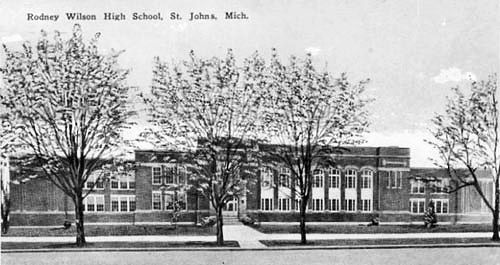

Rodney B. Wilson, 17, of St. Johns died at his home about 1 o’clock Saturday afternoon. He had influenza that went into pneumonia. Rodney was the only son of Mr. and Mrs. Arthur Wilson. Burial was made at Mt. Rest Cemetery.

Board of Education Special Meeting, August 21, 1922
The Board received a report on the acquisition of properties included in Ball Site for a proposed new high school. The Teachout place, owned by Mr. Vincent; the Corbin House; the Baptist Church and 55 feet on the east end of the property; the Legion Posts. Art Wilson will gift to the district his portion and adjacent owned by Mr. Ball, providing Mr. Ball agrees. The Board stated the new school building would be named Rodney B. Wilson High School. Mr. Wilson at first demurred, but then agreed.

baptist

1922
Citizens of St. Johns will vote May 26 on a new high school building.

Now and then a man will do something unselfish and fine for the town in which he lives. Mr. and Mrs. Arthur E. Wilson will donate to the city of St. Johns the property known as the Cooley E. Ball corner, to be used as part of the site of the proposed new high school. Mr. Ball joins his daughter, Mrs. Wilson and her husband Arthur, in donating the lot which he owns to the south of the property.
The Board of Education appreciates deeply this generous gift and proposes that the new high school, when erected, shall be known as the Rodney B. Wilson High School in memory of Mr. and Mrs. Wilson’s son, Rodney, who was a second year student in our high school at the time of his death in 1918.

The present Central School building in St. Johns was erected in 1885, over a generation ago. Every department is cramped and handicapped for want of space. Halls are crowded and good ventilation cannot be had. Careful estimates made by the architect and the Board of Education show the cost of a new high school including building and equipment will not be far from $225,000. Voters will decide the bond issue Oct. 27.

The proposition to bond St. Johns School District No. 4 Bingham Township for $225,000 to build a new high school was carried last Friday by a vote of 496 for and 329 against.

1923
The taxpayers of District 4 Bingham Township voted last Friday to issue $75,000 in additional bonds if necessary for the purpose of completing the new St. Johns High School building.

1924
Henry L. Vanderherst of Grand Rapids was the lowest bidder among the 15 contractors for general construction of the Rodney B. Wilson High School in St. Johns. School officials turned down all bids submitted last year and a 12-month construction delay resulted. Building costs will be over $10,000 cheaper this year. The school is scheduled for completion in August at an estimated cost of $280,000.

rodneyb2

1925
School will open in the new high school in St. Johns Monday morning January 19. A dedication service will be held later after the school is completely finished.

Mr. and Mrs. Arthur E. Wilson of St. Johns are the donors of a splendid gift to the new St. Johns High School building in the form of a Steinway grand piano.

Friday, April 17 will be a red letter day in the history of St. Johns schools for on that day the splendid new Rodney B. Wilson High School building will be dedicated. Mrs. F.M. Spaulding, President of the School Board, will present the school.

rbw3

Fall, 1954
The St. Johns Board of Education has completed final plans for the new addition to Rodney B. Wilson High School and has asked contractors for bids on the $450,000 project.

1964
Nearly $200,000 from the estate of the late Arthur E. and Norena E. Wilson will be held in trust to provide scholarships for the future graduates of Rodney B. Wilson High School.

1965
East Essex voters approve annexing to the St. Johns school district on March 6. The election was the first of a series of thirty-two that will take place between now and July 1, 1965.

The largest school annexation in the history of Michigan was completed on May 8 when the last of thirty-two area school districts annexed to St. Johns. The passage of the millage, 4 1/2 mills, was also necessary in each district before the annexation could pass.

1966
Architects began work in earnest Tuesday on the St. Johns School buildings after district voters gave the $5.4 million bond issue a slim nineteen vote victory. A proposed new high school will be built on the site southeast of the city park, and additions are planned to the schools at Eureka and East Essex.

1968
Total enrollment in the St. Johns School District, as of September 37 was 3789.

Seven rural schools were sold recently at public auction by the St. Johns School District. They included the Union Home, Jason, Merle Beach, Cedar Lake, Lemm, Simmons aand Parker. The school bells that had not been stolen were removed and will be auctioned later.

January, 1969
High school students in the St. Johns district attended classes in the new multi-million dollar high school for the first time.

Features

Remember When? – Clark & Hulse Clothing Store

by Maralyn Fink

hulse1

Charles A. Hulse started Hulse Brothers about 1870. The store was located 215 N. Clinton St back in the day.

clarkhulse
Ray Trempter, Harry Hulse, R.G. Clark and Guy Eaegle

Harry Hulse was associated with Clark & Hulse Men’s Clothing Store for more than 40 years. R.G. Clark became a partner succeeding his father, Robert S. Clark in the business in 1935.

hulse2Harry Hulse died on May 10, 1960. Both gentlemen were customer orientated and very nice gentlemen. Customers were their top priority. There was a huge assortment of shirts, ties, dress-wear, casual, shoes and hats that their store provided and I believe that men’s suits were their pride and joy.
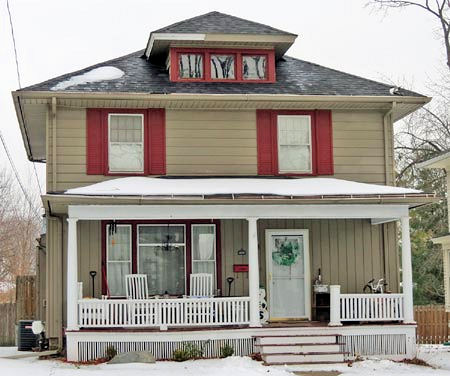
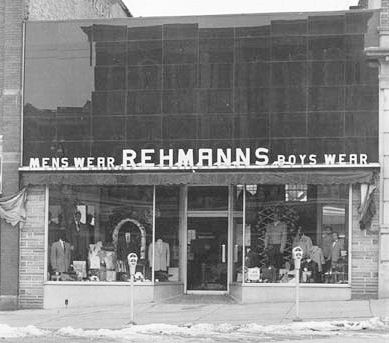
Mr. Clark lived at 200 W. Cass St while Mr. Hulse lived at 605 E. Cass St.

Jean reminded me that her mother had taken her to that store to get a man’s shirt and black tie for her Jr. High band uniform. Mr. Jilka did not want girls blouses but men’s stiff colors so that their ties would look right.

Oh, for the good ole days.

hulse3


This week’s Mystery Photo

Where is this?

mystery248

Can you tell us where this is located? Drop us a line at mail@sjindy.com.

******

Jonathan Pulling writes: It is 103 South Oakland Street.

mystery247

The current owners are Mark and Amanda Medina. Previous owners include Terrance and Dorothy Cornwell, Michael and Carol Manko, Alvin Dickens, David Gaffney, and Stephen and Ned Gibson. In 1950 this was the home of the William Luecht family.


A Look Back – Rehmann’s Men’s & Boys Wear

by Barry Bauer

September, 1966

rehmann3

Rehmann’s Men’s & Boy’s Wear at 206 N. Clinton Avenue in St. Johns celebrated its 30th anniversary September, 1966. The business is owned by A. L. Rehmann and sons, John and Norbert. The elder Rehmann learned tailoring in Austria from his father, Jacob, who was a merchant tailor and haberdasher. He came to this country in 1909 at the age of 15. He went to Chicago where he was employed part time as a merchant tailor, and he continued his education there. He later went to Saginaw where he was a partner in a small chain of men’s clothing stores.

The Rehmanns came to St. Johns in 1936 and opened their first store in the north portion (left of the horse and buggy in the photo) of what was then the Clinton National Bank and Trust Co. building. They offered a complete line of men’s and boy’s popular-priced, nationally known brand name merchandise. Their business in the bank building gradually outgrew the location, and in 1948 the Rehmanns built and moved into the store at 206 N. Clinton Ave. where they were able to handle a large and more-varied selection of merchandise.

A. L. Rehmann is still active in the business and does the tailoring.

John Rehmann has been continuously associated with the business since it was opened in 1936. He is the buyer and manager. Besides his years of experience in retailing clothing, he has had specialized training in practipedics, graduating from the American School of Practipedics, fitting shoes for all types of feet.

Norbert Rehmann served with the Armed Forces from 1942 to 1945 and since graduation from college has been associated with the firm. He is in charge of accounting and advertising and is assistant buyer.

Cy Waldron of Fowler, with many years experience in retailing, is now employed by Rehmann’s as a salesman.

George Weber, assistant manager of the store, has been associated with the business since 1947. He previously served in the armed forces and attended Ferris Institute.

Harry Wiley, of St. Johns, a retired businessman, has charge of Rehmann’s merchandise display and window trimming.

Robert Rehmann, Robert Fox and Robert LaBrie are part time employees. Mrs. Marie Fox is employed in the bookkeeping department.

Regarding the future, John Rehmann commented that, “It has always been our policy in the past, and it will be in the future, to retail first-quality nationally known brands of merchandise. We look forward to serving our many friends and customers in the future.”

rehmann2

It is mentioned in this article that Rehmanns first location in St. Johns was in the north portion of the old Clinton National Bank & Trust building. At 28 N. Clinton Ave. Harry E. Mack had a shoe store in 1929 and in 1936 he was followed by Rehmanns. That store front has since been filled in and the address gone.

rehmann1

Today Rehmanns is located at 122 N. Clinton Ave. A lot of the people mentioned in the article are gone now.


Benny and Jessie’s Pet Info – Your Pet’s Anal Gland Health: More Important Than You Think

You have friends over for your holiday party and your dog Muffy scoots across the living room carpet leaving an odor that clears the room. Or worse, your cat Morris keeps licking his rear and when you look under his tail there is a hole next to his anus that is bleeding profusely.

Both are experiencing a problem with anal gland health. For Morris the problem is more serious, but in both cases it is important to remember that dogs and cats need an anal gland wellness program. Anal glands need to be relieved, or “expressed,” periodically to avoid scooting or rupture—as in Morris’s case.

So what are these anal glands that caused Muffy to scoot and Morris to rupture and bleed?

Anal Gland Function

Anal glands are the scent glands of dogs and cats, located under the skin near the anal opening (potty port). If you used the clock as a reference the glands are located at 8 and 4 o’clock around the anus. These glands secrete a creamy substance that has a unique odor to other animals of the same species. Think of this odor being your pet’s name to other pets. This is why dogs and cats immediately sniff a new pet’s anal area. They are getting acquainted by learning their new friend’s name.

In the wild, dogs and cats often voluntarily express anal gland fluid to mark their territory. This alerts other dogs or cats that the space is off limits. Anal gland marking is far stronger than urine marking and is not easily “erased,” as is common when dogs and cats urinate where others have done the same. So why do pets scoot and why do the glands rupture?

Surrounding the anal glands are muscles that squeeze to release the anal gland fluid. With domestication and selective breeding many pets have lost the ability to voluntarily squeeze these muscles and empty their glands.

Obesity also plays a role. Approximately 60% of pets are obese. Fat accumulation around the muscles of the anal glands makes it very difficult for pets to “squeeze” the contents of the glands. They must scoot or lick to relieve the build-up of fluid. Fat accumulation around the anus makes scooting ineffective at expressing the contents of the anal glands. Excess fat makes it difficult for pets to reach their anus with their tongues to massage the sac contents out. The fluid accumulates to overflow, becomes inflamed, and ruptures spontaneously, like Morris’s glands. This is quite painful and secondary infection can be severe. Sometimes surgery is required to clean up the mess, but most respond to 2-3 weeks of antibiotic therapy. In all cases glands generally return to normal function.

Anal Gland Wellness

There is a common myth that diet has an impact on anal gland health. You have probably heard, read, or received information from the web that certain foods with certain amounts of fiber can promote a stool size that will regularly empty the anal glands. There is absolutely no scientific data to support this belief. The anatomy around the anus is so diverse and the force of stool exiting the anus so low that the idea of a universal food type and fiber content will solve the problem is misguided.

Some pets never need their anal glands professionally expressed; some need it weekly. Others fall in ranges from needing it weeks to months apart. What is important is finding the regular interval that meets your pet’s needs. For those needing weekly attention, the solution of surgically removing the gland may be a good alternative.

You need to know which interval is right for your pet because anal gland health is as important as other grooming health needs, and even vaccination health.

Don’t wait until you have to catch your pet scooting across the floor and wrecking your party.


Maralyn’s Did You Know? – Good Earth Egg Company Voluntarily Recalls Shell Eggs

Good Earth Egg Company, LLC of Bonne Terre, Missouri has announced a voluntary recall of its shell eggs because they have the potential to be contaminated with Salmonella, an organism which can cause serious and sometimes fatal infections in young children, frail or elderly people, and others with weakened immune systems. Healthy persons infected with Salmonella often experience fever, diarrhea (which may be bloody), nausea, vomiting and abdominal pain.


Maralyn’s Pet Corner – 5 Herbs to Reduce Stress in Your Cat

Some cats are naturally stressed and anxious as part of their demeanor, while others save their freak-outs for car trips and vet visits. Fortunately, effective remedies are available that are both natural and easy to administer. Try these herbs and flower essences to calm your kitty.

Catnip

Why give a substance known to rile up Fluffy in an effort to try and calm her instead? The key to using catnip for relaxing your kitty is to give it to her about 15 minutes prior to the stressful event, such as the dreaded veterinary trip. After she hangs from the ceiling and bolts around the room at lightning speed, she will be worn out and exceptionally calm.

Valerian

This herb is said to mimic catnip, with one significant difference. After her initial crazy-fest, not only will she be very calm, she is also likely to sleep. This herb is also used for humans as a remedy for insomnia and has the same effect on felines. The euphoria induced by Valerian will seriously chill her out and make her more docile than you could ever imagine.

Chamomile

Many people drink chamomile tea before bed to help them relax, and the same anti-anxiety properties are just as effective for cats. However, the dried flowers are a better way to expose Fluffy to its benefits. Studies in animals have shown that chamomile contains substances that act on the same parts of the brain and nervous system as anti-anxiety drugs do. The effect promotes relaxation and reduces stress.

Hops

My cat-parent friends and I have a long-running joke that once the humans have left the house, Fluffy breaks out the kitty beers. Maybe an indirect reason for hops as the main ingredient of lager is its calming effects. But don’t soothe your feline’s nerves by giving her a sip of ale; the dried flowers are more effective and better for her liver.

Bach Rescue Remedy

Humans have known the benefits of this flower essence combination in relieving stress and anxiety and, fortunately, it can also be used with cats (and dogs). Though technically not an herb, its reliable benefits bear a mention in any list of stress-reducing tactics. Perhaps the best feature of Bach Rescue Remedy is its immediate effectiveness. This formulation is great when you need to calm down your cat pronto. Be sure to purchase the alcohol-free version for Fluffy.

How to Administer

Herbs come in many forms – tinctures, dried flowers or leaves, essential oils, and teas are just a few. However, essential oils should never be used on cats due to their liver functioning, which makes it difficult (if not impossible) to break down the compounds and can lead to serious illness – even death.

Due to their delicate systems, the dried form of herbs is safest for kitty use. To prevent her from eating the leaves and flowers, put them inside of a tube collar or make a tiny toy “pillow” with the herbs inside. Kitty will still benefit from the relaxing qualities and be kept safe from over-ingesting them.

If you prefer a tincture, make sure to buy one professionally created by a reputable pet product company with holistic (also known as naturopathic) veterinarians on staff. Even with the best intentions, a home-mixed tincture can be extremely dangerous to your cat. Drops of your purchased tincture can be put in her water for extended calming or squeezed into her mouth for immediate relief.

Teas are best left to humans whose systems are more tolerant of steeped herbs.

VOD essay

What Freedom Means to Me

by Tessa Link

tessFreedom is to me is waking up every morning and thanking God that it is safe to go to school or go anywhere you please. Many people have to worry about getting to school safely. We have the privilege to go to school, but there are girls in Pakistan or any other country who do not have the same privilege that we do.

Freedom doesn’t mean hiding in a basement or in attic until a bell rings because someone is trying to kill you because of your religion. I am thankful to wake up every morning and know that it will be safe going to school or freely walking around town whenever I want. In other countries people do not have the same freedom that we do, freedom of speech, religion, and freedom of press.

“Worrying does not empty tomorrow of its sorrow. It empties today of its strength.” – Corrie ten Boom, holocaust survivor.

I believe that this is true because if you spend so much time worrying about tomorrow it changes today, probably for the worst.

There are many countries that do not let girls got to school and learn. Malala Yousafzai is one of those girls. She went, with other girls, she got an education. But on October 9, 2012 she was walking home with her friends when a gunman asked for her by name. She was shot by a single bullet that went through her head, neck, and shoulder. Two of her friends were also injured. Malala was not let out of the hospital until January of 2013 because the doctors did not think she would survive the attack. She did. In weeks after the attack, over 2 million people signed a right to education act. Before the attack Malala and her father received death threats but continued to speak out for right of education so that girls could have the right to learn. Malala is still doing this to this day.

This is what freedom means to me. Not being scared to walk out of your door or hide in a basement or a dusty old attic. Freedom means waking up every morning thanking God that you are safe to go where you please. Freedom also means that we all have the freedom to learn and teach what we know. Thanks to Corrie ten Boom and Malala Yousafzai I am very grateful.