Features

Clinton Ophthalmology

by Maralyn Fink

I attended the open house of Dr. Brandy Cook, DO at her new location at 1000 E. Sturgis #3 in St Johns.

Dr. Cook recently moved from Avery Vision for the purpose of more room for her equipment and more space in general.

She specializes in cataract surgery, eyelid surgery, surgical procedures, laser treatment, diabetic care and emergency eye care, in-office treatment and routine eye exams.

There are 3 exam rooms, one being close to my heart, a handicap room with a chair that moves forward, backwards making it easier for the patient to get into the chair.

Office hours are Mon-Tues 8am-5pm, Wed. 9:30-5pm, Thurs-Fri. 8am-5pm. The phone number is 989-224-1452.

I noticed a food spread for guests, so I needed to check that out. Maybe some cookies. Oh yes, there they are just waiting for me. It’s been a dry spell, ya know.

Thank you Dr. Cook, Todd, Taylor and Brayden along with the staff for the tour and the interview and answering my questions.

Please feel free to call Dr. Cook’s office for more information or to make an appointment.

Maralyn@sjindy.com


This week’s Mystery Photo

Where is this?

mystery263

Can you tell us where this is located? Drop us a line at mail@sjindy.com.

Jonathan Pulling writes, “It is located at 304 East Walker Street.”

mystery262

This is one of the houses built by Dr. S. R. Russell. The current owners are William and Janet Russell. Previous owners include Edith Russell and Lyle and Maureen Canum.


A Look Back – Newlyweds Involved in Accident

by Barry Bauer

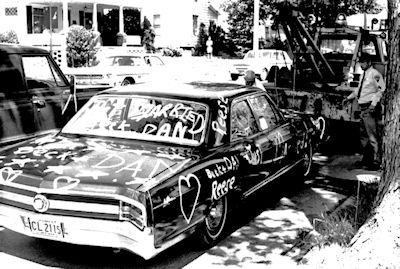
wreck

In 1971 a northern Michigan honeymoon for an Angola, Ind. couple was ruined Sunday morning when their car collided with another vehicle causing a chain reaction three car pile up. The couple, newlyweds Mr. and Mrs. Daniel J. Reese, were not hurt, but their car was badly damaged. Others involved were Richard Piske and John Norton of Albion. They also escaped injury in the US-27/M-21 mishap.

St. Johns Police Officer, Robert Ott (right), looks on as wrecker operator hooks up the newlywed’s car.


Maralyn’s Did You Know? – Remember to leave Michigan’s wildlife in the wild

With spring in full swing, Michigan residents may be noticing an increase in sightings of nestlings and baby animals. For example, baby cottontail rabbits and raccoons are a common find this time of year. The Department of Natural Resources reminds those who stumble across a nest of baby bunnies or see other baby wildlife to please leave them be. Leaving wildlife in the wild is best for humans as well as animals.

“Animals are better left alone than removed from the wild,” explained DNR wildlife technician Hannah Schauer. “A nest full of young rabbits may look helpless, but staying in the nest is their best chance for survival. However, we appreciate the good intentions of those who want to help.”

If a rabbit’s or other animal’s nest is found, it’s important to also keep children and pets away. If the nest is left alone, the mother will likely return when she feels it is safe.

Every day an animal spends with humans makes it less likely to be able to survive in the wild. Animals that are habituated to humans generally do not do well when released back into the wild.

raccoon in treeFor your safety – do not take a wild animal from the wild. For example, raccoons may seem cute, especially when they are young, but they are well-known for becoming aggressive as they get older. Wild animals can act unpredictably, even if they seem tame. It is important to remember they are still wild animals and can seriously injure a person or pet.

Additionally, raccoons and other wild animals can carry diseases and parasites that can infect humans and pets. Whether an animal may be a carrier of a disease or parasite cannot be determined simply by observing it’s physical appearance.

Only licensed wildlife rehabilitators may possess abandoned or injured wildlife. Unless a person is licensed, it is illegal in Michigan to possess a live wild animal, including raccoons and rabbits.

The only time a baby animal may be removed from the wild is when it is obvious the parent is dead or the animal is injured. A licensed rehabilitator must be contacted before removing an animal from the wild. Rehabilitators must adhere to the law and have gone through training on the proper handling of injured or abandoned wild animals and will work to return the animal to where it will have the best chance for survival.

A list of licensed rehabilitators can be found by visiting mi.gov/wildlife or by calling your local DNR office.


Letters – Reader wonders about the old mint still

My name is Judy Winslow, and I keep wondering about the old Crosby mint building on old US-27 and just north of Parks Rd.

Is there any way that it can be saved for the history of St Johns? I would gladly do what ever can be done to help with it.

I have made a few phone calls but can’t get any help.

Please contact me at judyelain2015@hotmail.com

Features

This week’s Mystery Photo

Where is this?

mystery262

Can you tell us where this is located? Drop us a line at mail@sjindy.com.

108 S Lansing St.

mystery261

The current owner is Jody Post. Previous owners include Regina Frechen, Stephen Frechen. Byron Danley lived there in 1950.


A Look Back – Arnold’s Discount Drugs Store Opens in 1968

by Barry Bauer

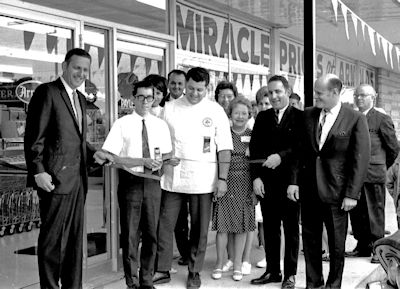
arnold1

Jon Huhn cuts the ribbon as Don Sabo looks on.

The new Arnold’s Discount Drugs store in the Southgate Shopping Plaza opened for business Wednesday, bringing to 44 the number of stores the firm operates all over the State of Michigan. John Huhn, 22, of Lansing, a Portland native, will be manager of the store, which employs 10 persons. The pharmacist on duty will be Donald M. Sabo of Grand Rapids.

The store is located in quarters formerly occupied by the Dee Drugs and the Scotchway Laundromat. The laundromat has moved to more spacious quarters at the north end of the shopping center, and the two former buildings were combined into one. The s t o r e occupies 10,000 square feet, including a large addition at the rear. About 8,500 square feet are involved in the display area of the store.

Arnolds will maintain hours of 9 a.m. to 9 p.m. daily and 10 a.m. to 6 p.m. on Sundays. Pharmacy hours will be 11 a.m. to 9 p.m. on Monday, Thursday and Friday and 10 a.m. to 6 p.m. on Tuesday, Wednesday and Saturday. The pharmacy will be closed on Sunday.

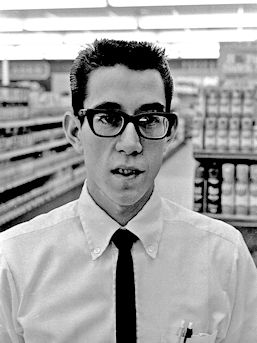
arnold2

The new store’s manager, Jon Huhn, was employed by the Yankee Stores prior to joining Arnold’s. He is in the National Guard. He and his wife Jacquelyn have a son, Eric Scot, 1½ years old.

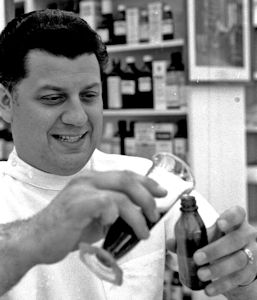
arnold3

Pharmacist Donald Sabo has been a pharmacist 11 years following graduation from Ferris State College. He is 34 years old; he and his wife Maureen and son Robert, 17 months old, will be moving to St. Johns.


Maralyn’s Pet Corner – Excessive Sneezing and Nasal Discharge

Upper Respiratory Infection in Cats

Cats sneeze for many reasons. If sneezing is the only symptom your cat displays — i.e., no discharge from eyes or nose, good appetite, no change in behavior or activity level — then it is probably of no concern. However, when ocular or nasal discharge is seen, the cat may have a cold or upper respiratory infection.

An upper respiratory infection in a cat is more like influenza in people than like a cold because it can be very difficult to get rid of without medical help, especially in the young, the old, and those with chronic health problems. In some cases, it can prove fatal.

What to Watch For

– Sneezing, especially occurring as “spasms” over the course of a few hours, or frequently over several days.
– Discharge from the eyes or nose; this may be watery, bloody, or thick and colored clear, yellow or green.
– Coughing or excessive swallowing (if there is drainage into the back of the mouth and throat).
– Lethargy (with or without hiding)
– Loss of appetite
– Fever
– Dehydration
– Raised third eyelid

Primary Cause

As with people, most colds start as a viral infection, followed by a bacterial infection.

Immediate Care

– Keep the eyes and nose free of discharge using cotton moistened with warm water.
– Warm canned cat food or meat flavored baby food to encourage your cat to eat.
– Provide plenty of fresh water for drinking.
– Any kitten, no matter how active, should be seen by a veterinarian at the first sign of a cold. However, if your cat refuses to eat or even move, it is urgent you bring the cat to a veterinarian immediately.

Veterinary Care – Diagnosis

Usually a thorough physical exam is sufficient to diagnose an upper respiratory infection. If your cat has become anorectic (refuses to eat), blood tests and possibly X-rays may be taken to see if there are complications developing.

Treatment

Using a vaporizer that produces warm moist air will help the nasal passages and sinuses to drain. To treat the bacterial component of the cold, your cat will require antibiotics. A viral infection, meanwhile, will usually be dealt with by the cat’s own immune system.

If your cat is not eating or is dehydrated, your cat will be hospitalized and put on intravenous fluids until he is eating on his own. B vitamins and appetite stimulants may also be used to help his appetite to return. If neither of these methods help with your cat’s appetite, he may need to be force fed for a while.

Other Causes

Polyps and foreign objects like grass awns—sharp grass seeds that can burrow into a pet’s skin—can cause symptoms similar to a cold, although the symptoms often start on one side and then spread to the other. Fungal infections such as aspergillosis can also cause similar symptoms.

Living and Management

Once your cat is discharged from the hospital, continue the antibiotics and vaporizer therapy as directed by your veterinarian. Also keep his face clean of discharge.

Making certain that your cat eats is just as important as complying with the antibiotic regimen. Cats that go without eating for even a short period are at risk for developing hepatic lipidosis, a condition involving the liver that is very difficult to reverse.

If the symptoms resolve only to return a few weeks later, chances are the cat does not have a cold. The symptoms may be related to one of the other possible causes listed above. Additional diagnostic work will be needed.

If your cat’s cold is due to a herpes virus infection (feline rhinotracheitis), he may have occasional recurrences of the symptoms. As with people, you cannot get rid of a herpes virus; all you can do is treat the symptoms when they appear.

Prevention

There are many viruses that can cause colds in cats. Two of these viruses can be very hard on your cat, even without the bacterial component: feline herpes virus, as already discussed, and feline calicivirus. Fortunately, there are vaccines available for these viruses. Be sure your cat receives the initial series of injections followed by regular boosters, as recommended by your veterinarian.


Back in the Day – Central School

by Maralyn Fink

The first school in St Johns was held in 1855. Two years later the school district was organized and land donated at the corner of Walker and Mead for a schoolhouse. Because of dissatisfaction over the site due to bears and other wild animals frequenting the area, land was purchased from Alonzo Plumstead and a building erected in 1865. After it burned in 1885, Central High School was built on the same site the next year.

At one time this building housed grades 1-12 and County Normal Teacher training school. The Class of 1909 had a total of 20 students, 7 male and 13 female classmates. In 1925 the high school was moved to the Rodney B. Wilson building for grades 9-12.

central
The students of Central School in 1910

This brings me to the time in 1946 when my mother told me I had to start kindergarten. What? I thought I was doing just fine the way things were. I was not looking forward to leaving my home where all “my things” were to go to that building.

The day finally came, and my mother walked me to the school one-half block away to meet my teacher, Martha Duffer. All of these kids were in the room, staring at each other.

With my lips quivering and a tear running down my face, I met Miss Duffer. She assured the group we would be fine and that we would have snacks, games and would even have a rest period for only half the day. Hmm, snacks, okay I can do this.

I looked around for my mother, and she was gone along with the other mothers. Well, I don’t live far, I thought. Maybe if I didn’t really like it I could just leave like my mother did.

In later years during war time, a tower was constructed on the flat roof part which was made into a Civil Air Patrol lookout and volunteers donated their time with binoculars for any suspicious activity. My Uncle Art Halfmann was one of the volunteers.

maralyn@sjindy.com

Now and Then – Chad Rehmann diversifies

by Jean Martin

Over the years we have grown accustomed to telling you about movies and television shows that Chad Rehmann has scored. Now we learn that he is also composting contemporary music for the concert hall.

Here is an excerpt of a new piece that has premiered at South Dakota State University last month. It will be published by Bachovich this summer.

The son of Gery and Sheila Rehmann of St. Johns, Chad is a graduate of St. Johns High School (1999) and Michigan State University (2003). He currently lives in Los Angeles with his wife Kari (Wieber) and three children.

Features

This week’s Mystery Photo

Where is this?

mystery261

Can you tell us where this is located? Drop us a line at mail@sjindy.com.

308 N. Swegles St.

mystery260

The current owners are Terry and Vicki Black. Previous owners were John and Anna Jackson. This house originated as a live-in basement for a long time before they finally finished it off into this beautiful home.


A Look Back – Old No. 2, The Movie Star

by Barry Bauer

train1

Richard Rogers, a hostler on the Cadillac & Lake City Railway Co. steam train when it came through St. Johns last Friday, took 8-year-old Neal Heathman, son of Mr. and Mrs. Edward “Spud” Heathman, into the cab of the locomotive for a look around.

train4

St. Johns had a rendezvous with the past for about half an hour Friday. The occasion was a switching stopover of an old steam locomotive being hauled to Chicago for the making of a United Artists movie, “Gaily, Gaily,” a story about Ben Hecht.

The old locomotive is the old No. 2,” owned by the Cadillac & Lake City Railroad and used as an excursion train during the summer months according to Richard Rogers, a “hostler” on the engine as it came through St. Johns, the railroad is leasing another old engine from a southern rail line to use while this one is making its movie debut. Starring with the locomotive in the movie will be Brian Keith, Melina Mercouri, Jack Kennedy, and Beau Bridges. “The engine will be used in Chicago, Milwaukee, and Galena, Ill, and the moviemakers are expected to finish with it in late August,” Rogers said.

train6

“It will be in Detroit during September and October, and then the Cadillac & Lake City Railroad will get it back,” Rogers said, “Old No. 2 was built in 1912 and was one of the first locomotives to be built especially as an oil burner instead of using coal.” The engine belonged to a west coast lumber
company before it was acquired by the Cadillac and Lake City Railroad.

There were no large crowds to welcome the old engine to St. Johns, but there was a little knot of people around for the half an hour or so it was here.

Cameras were popular.

train8

The locomotive and its tender were near the end of a dozen-car train heading west from Owosso. The train stopped in St. Johns to switch some of the other cars onto sidings.

Rogers explained his job as hostler was to take care of the engine while the crew was not working it. The locomotive kept steam up and made enough power to keep it from being a drag. It was in St. Johns about 1:30 p.m. Monday. Rogers said they were scheduled to be in Chicago Saturday evening.

The next stop for the old steam locomotive Friday was to be Ionia where the fire department was going to be ready to fill the train’s water requirements for the time being. It had gotten a fill of oil in Owosso.

This took place in the summer of 1968.


Benny and Jessie’s Pet Info – The Tongue Does Not Heal All Wounds

Have you ever heard someone say that pets should be allowed to lick their wounds because saliva has healing properties? Veterinarians run into the notion all the time … typically after a dog or cat has been brought to the clinic with a wound that is getting worse rather than better after being licked.

Like many old wives tales, there is a modicum of truth behind the idea that licking can be beneficial. When an animal is wounded and does not have access to veterinary care, licking removes foreign material from the injured tissues. Also, there is some evidence that saliva does have antibacterial properties, so licking might help prevent or treat infections under these circumstances.

It makes sense for a wild animal to lick its wounds since no other options are available, but it does not follow that owners should therefore allow pets to do the same. This is particularly true in the case of surgical incisions.

Before, during, and after surgery, doctors go to great lengths to prevent wound contamination and infection including:

– shaving the site to remove hair

– scrubbing the area multiple times with two different types of antiseptics

– covering the surrounding areas with sterile drapes

– using sterile equipment

– cleaning our hands and wearing sterile gloves and gowns

– donning masks, booties and hair covers

– keeping surgical suites impeccably clean

– suturing the wound to keep it closed as it heals

– prescribing antibiotics, pain relievers, and anti-lick devices as necessary

When a pet licks a surgical incision, he is introducing contamination, not removing it. In the case of non-surgical wounds, I don’t care if a pet licks a few times before treatment is initiated, but once the area has been thoroughly cleaned and medications started, the downsides of licking once again outweigh its benefits.

We now have lots of options available for keeping a pet’s mouth away from its wound or incision. Traditional Elizabethan collars work for some individuals, but others find them too annoying and clunky. See-through varieties are available, as are bulky collars that can prevent animals from turning their heads to reach many parts of their bodies. Body wraps and bandages (including some that emit a mild electric charge when licked) are widely available. Deterrent sprays can also help, but should never be applied directly to a wound. Spray the surrounding skin or use them lightly on an overlying bandage.

While we’re on the topic of bandages, a well-applied, appropriate covering that is checked regularly and replaced as needed can speed healing. But when used incorrectly, bandages do more harm than good. They can cut off circulation and lead to tissue death, become soiled and promote infection, and simply hide the fact that a pet’s wound needs attention. I generally do not recommend that owners apply bandages unless they have been taught the correct way to do so by a veterinarian who is familiar with the exact nature of an animal’s wound.

If one form of lick deterrence fails, try another. Keeping a pet’s sutures in place and preventing infection as a wound heals are well worth the effort.


Maralyn’s Pet Corner – Most Cat Illnesses Can Be Treated with Small Change in Diet

Pets Best insurance Services recently published a list of the ten most common diseases in their insured cats for the last ten years:

Renal failure (25%)
Hyperthyroidism (20%)
Diabetes mellitus (11%)
Allergies (8%)
Inflammatory bowel disease (7%)
Lymphoma (7%)
Feline lower urinary tract disease (6%)
Cancer (6%)
Urinary tract infection (5%)
Otitis (5%)

What I find most fascinating about this list is that the top seven conditions have well-accepted nutritional remedies, and with a little creative thinking all ten can be treated with diet. Here’s what I mean.

Hyperthyroidism

Cats with hyperthyroidism make too much thyroid hormone. One of the limiting factors in the production of thyroid hormone is the presence of sufficient amounts of iodine in the body, and iodine is supplied by the diet. A major pet food manufacturer has started making a low iodine food that is proving to help control hyperthyroidism in many cats.

Diabetes mellitus

Type 2 diabetes, the most prevalent form in cats, can be quite responsive to diet. Most diabetic cats will either need less insulin or will be able to go off insulin entirely (at least for a while) if they eat low carbohydrate, high protein foods.

Allergies

If cats are allergic to a particular type of food (beef and dairy products are common culprits), avoiding that ingredient will eliminate their symptoms. Even when cats are allergic to environmental triggers (pollen, mold spores, mites, etc.), dietary therapy is still often helpful. Nutritional supplements containing anti-inflammatory omega-3 fatty acids, which are found in many cold water fish oils, can help ease the symptoms of allergies in cats. Recurrent cases of otitis that are not caused by ear mites are often linked to allergies in cats, so the same treatments are often helpful

Inflammatory bowel disease (IBD)

Hypoallergenic diets such as those made from novel protein sources like venison and green pea, or those that have been hydrolyzed (broken down to the point that the immune system ignores them), are central to the treatment of inflammatory bowel disease. Probiotic nutritional supplements that contain beneficial intestinal microorganisms are also a common treatment recommendation for inflammatory bowel disease.

Lymphoma and other cancers

Cancerous cells alter the body’s metabolism. They metabolize glucose and make lactate that the body then tries to convert back into glucose. This takes energy away from the cat and gives it to the cancer. Cancers also convert amino acids, the building blocks of protein, into energy causing muscle wasting, poor immune function, and slow healing. On the other hand, cancerous cells do not appear to be very efficient at using fat as an energy source.

Based on these metabolic changes, many veterinarians recommend feeding feline cancer patients diets that are relatively low in carbohydrates (particularly simple carbohydrates) and high in protein and fat. Omega-3 fatty acids are often added to these diets because they are a good source of fat and calories and may have “anti-cancer” effects.

Feline lower urinary tract disease

Dilute urine does not irritate the bladder wall like concentrated urine can. Feeding canned food is an easy way to increase a cat’s water consumption. Several pet food manufacturers make canned cat foods that promote overall bladder health and an optimum urinary pH, which can be particularly helpful if urinary crystals have been a problem. Nutritional supplements containing cranberry extracts may help prevent recurrent urinary tract infections in cats.


Back In The Day – City Park Pool

by Maralyn Fink

In 1916 the city of St Johns spent $6,000 to purchase sixty wooded acres on the west side of town, part of “Emmons Woods,” for the purpose of creating a park. In the 1930’s a band shell, picnic pavilion, football field, comfort stations, and a caretaker’s home were added. Bricks from the abandoned local factories were reused for these structures.

pool1

The Veterans Memorial pool on the north side of the St Johns City Park was dedicated on August 14, 1950,to honor the veterans of World War II. Several recent gravel pit drownings had prompted the community to support the construction of a safe swimming facility. Unfortunately the pool was closed after the 2009 season.

Back in the day opening day at the swimming pool was an anticipated happening among towns people – and also the kids of our community. Jean and I frequently were in that pool, at a cost of 10 cents per visit. Boy, was it crowded.

There were rules. You had to shower inside before going into the water; and when you came out of the shower, feet were also inspected. I remember getting “brave enough” to go into the deep end or jump off the diving board.

parkhouse

Afterwords we walked up to the house where Squeak Hyler and his wife lived and ran the concession stand. If you had pennies you could by a lot of candy, gum and other things.

[Editor’s note: Hey, swimming makes you hungry.]

A great ending to our day. Thankfully we didn’t live far from the park so we could walk or ride our bikes.

Just another great memory from back in the day!

maralyn@sjindy.com

Recalling Osgood Funeral Homes

wrosgoodDuring the six years previous to his arrival in St. Johns W.R Osgood owned an undertaking establishment in the southern part of the State. In 1899 he bought out the Undertaking business of S.H. Inghram & Son. Two years later he took into partnership E.H. Osgood, his cousin, and added the furniture line to their business.

After five years of prosperous trade he bought out his cousin and has been sole owner since. Owing to his strict adherence to business and his efforts to please the public he has built up a business second to none in the county.

On June 6, 1914 W.R. Osgood received the new auto-hearse which he ordered the 2nd day of January. The hearse which was made by the Kunkle Carriage Co. of Galion, Ohio is modern in every way, being electric lit with a Sunray light in the top and side lights and with gas lights in front. The motor is self-starting. The tires are equipped with Armour inner –liners and are puncture proof and blowout proof.

This vehicle was a fine addition to Mr. Osgood’s already well equipped undertaking establishment. It was used for the first time Tuesday at the funeral of Mrs. Eli Fields of this city.

glennosgoodAt the beginning of the new year, W.R. Osgood, The Furniture and Undertaking Man, took into the business his own son, Glenn W. Osgood, as junior member. The firm will now be known as W.R. Osgood & Son, The Undertaking and Furniture Men of St. Johns.

The junior member is a graduate of the St. Johns High School, also of M.AC. and has just received his honorable discharge from the Air Service in the U.S. Army. He has spent most of his life in St. Johns.

The new firm will try to maintain the high regard that the old one has won in the past by good, reliable, trustworthy service and the support of all worthy public enterprises.

In 1928 W. R. Osgood & Son closed out their retail business and converted the Geo. S. Corbit residence, which they purchased from the heirs this week, into a modern funeral home. Their store building on Clinton Avenue wwas rented, and they retained only the sale of Sparton radios.

corbittPlans for the new funeral home included the remodeling of the residence, a large brick structure on a spacious lot at the head of Linden Avenue, to include a reception room, offices, large chapel, and preparation room. The home will be equipped with every modern appliance and will be repainted, redecorated and appropriately furnished throughout. An electric elevator will be installed.
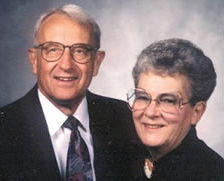


It is planned to build a circular driveway of sufficient length so that a large funeral cortege may be accommodated on the property.

Work of remodeling the building is already underway and the completed funeral home will be opened in the spring.

W.R Osgood was killed instantly in an auto accident on November 13, 1930.

sirrine

Bob Sirrine grew up in St. Johns, worked in the fields around town, participated in nearly all activities in High School and escorted Dorothy Jean Osgood to the movies when he was thirteen. He met her dad too and early on gained an interest in his life’s work as a funeral director. The war came. Bob joined the Navy in 1943 and earned his Wings in 1944. He came home to marry Dorothy Jean on August 13, 1944, and the newlyweds moved cross-country to California.

On returning to Michigan after the war, Bob’s career in funeral service continued too as he joined Glenn Osgood in the family funeral business. Bob had found his calling.

Bob and DJ raised their family on North Clinton in the house of his grandparents next door to his parents.

Over the years in the St. Johns community, Bob and Dorothy found countless opportunities to make contributions to local service clubs, veteran’s organizations and church activities.

willis

Bridget, a fifth-generation member of the Osgood family, and her husband Stan Willis were the latest owners and managers of the business where service was a top priority since 1899. “What I remember most about my Grandpa was that he was so dependable,” Bridget says about the gentleman whose friendly nature and giving ways helped expand the Osgood legacy that was continued by a daughter, Angie Sirrine. She worked with her parents and remained as part of the staff.

Features

This week’s Mystery Photo

Where is this?

mystery260

Can you tell us where this is located? Drop us a line at mail@sjindy.com.

404 S. Prospect

mystery259

The current owner is Christopher Paseka. Previous owners include Robert Ott, and Randall Ott. In 1950 Edna Love lived here.


A Look Back – Saylor-Beall Host Visitors

by Barry Bauer

saylor

Recently Stan Zielinski and Robert O’Shanna, national representatives of the Alemite Division of Stewart-Warner Corp. of Chicago, visited the Saylor-Beall Corp. plant in St. Johns. Local plant officials were on hand to welcome them; William Pautke (left) manufacturer’s representative; James Leon, sales manager, R. V. Allman, president; and R. V. Keisel, assistant sales manager.

Zielinski is the national “product manager” for the company and is responsible for product approval of all international and national service representatives and service procedures for the Alemite Corp.

In 1968, when this photo was taken, Saylor-Beall was located at 400 N. Kibbee St. where they’re located today.


A Look Back update

award

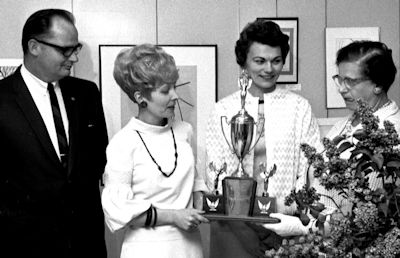
From left to right: William Patton, manager of the Capitol Savings & Loan Association branch in St. Johns and St. Johns’ Michigan Week chairman, Mrs. Brandon White, president of the Friends of the Bement Public Library, Betty Jane Minsky, local newspaper writer and Michigan Week county chairman, and Marion Walling of the St. Johns Woman’s Club.

Patton and Minsky presented the Lester H. Lake Traveling Trophy to two groups in 1968 during Michigan Week activities at the Central National Bank, Friends of the Bement Library represented by Mrs. Brandon White, and the St. Johns Woman’s Club, represented by Mrs. Marion Walling.

The Lake trophy is awarded each year to an organization in recognition for outstanding community betterment during the previous year.


Benny and Jessie’s Pet Info – Carbon Monoxide Poisoning in Dogs

Carbon monoxide is produced by all sorts of everyday equipment: older cars not equipped with catalytic converters, barbecues, or propane heaters and cookers, to name just a few. And in an enclosed space, the levels of gas can quickly become poisonous for dogs.

What To Watch For

A dog near a carbon monoxide leak will first demonstrate lethargy. Unless supplied with fresh air, the dog will eventually fall unconscious and die.

Primary Cause

Carbon monoxide poisoning is generally caused by leaky equipment. This may occur in enclosed, un-ventilated spaces, though even large areas like garages can become a death trap if the leak is not plugged quickly.

Immediate Care

It is vital you move the animal suffering from carbon monoxide poisoning to a wide, well-ventilated area. However, do not put yourself in danger while attempting to rescue the dog. If he has stopped breathing, perform artificial respiration. And if after you check his pulse you notice his heart has stopped, perform CPR (cardiopulmonary resuscitation) as well.

If breathing restarts, contact your vet immediately for advice on how to proceed. If the dog is still not breathing, continue CPR and artificial respiration (if possible) while you transport the animal to the vet or emergency hospital.

Prevention

All equipment that uses propane or produces carbon monoxide as a by-product should be serviced regularly — for your safety as well as your pet’s. Never leave the engine running while a car is in the garage or, if you are performing maintenance on the vehicle, open the garage door and keep the area well-ventilated.


Letters – CASA to celebrate Volunteer Appreciation Week

2016 National Volunteer Appreciation Week is April 10th through the 16th.

CASA-The Voice for Clinton County’s Children joins programs all over the United States to take this special opportunity to say thank you to our program’s super volunteers. We are fortunate to have the support of many which enables us to provide a voice to children who are involved in court proceedings due to abuse or neglect. Special thank you to our CASA Volunteer Advocates who put their heart into their appointed case to ensure their CASA kids are supported throughout their foster care experiences.

Additional appreciation to our Volunteer Board of Directors, Graphic Artist Volunteer, Office Volunteers, Adoption Day Quilt Sewers and Embroiderer, and Event Volunteers. CASA Volunteers are the Superheroes of our program, super thank you to all for your commitment to CASA Advocacy in Clinton County.

Sincerely,
Kelly L. Schafer, M.S.
CASA Executive Director


Maralyn’s Pet Corner – Cat Panting or Breathing Heavily

It is unusual to see a cat pant or breathing heavy, but it does occur when a cat is having respiratory distress (dyspnea). A panting cat does not look that different from a panting dog. Often, the cat will stand or crouch with his elbows bent away from his chest and with head and neck stretched out.

There are many different reasons a cat may have abnormal breathing. This article will focus on fluid in the chest (hydrothorax) and enlarged heart (cardiomyopathy). There is an associated article on asthma and heartworm disease, which affect the lungs directly. Learn more about what to do about feline respiratory problems and cat panting, below.

What to Watch For

– Labored breathing (can include shallow breathing, rapid breathing and noisy breathing)
– Standing or crouching with elbows pulled away from the body, and head and neck stretched out
– Loss of appetite
– Lethargy or reluctance to move
– Hiding
– Coughing (in some cases)
– Bluish or purplish gums

Primary Cause

Fluid in the chest or hydrothorax refers to the accumulation of fluid in the space between the lungs and ribs (pleural cavity). Common causes for hydrothorax include Feline Infectious Peritonitis (FIP), ruptured thoracic duct, and congestive heart failure due to cardiomyopathy.

FIP is a viral disease that the body cannot eliminate, and that causes fluid to accumulate in the chest and abdomen.
Among other things, the lymphatic system collects excess fluid from throughout the body and some of the fat absorbed from the intestines. This fluid is returned to the main circulation by the thoracic thoracic duct connecting to one of the large veins near the heart. If this duct ruptures, then the fluid spills into the chest (called chylothorax), which in turn causes breathing difficulties. The duct may rupture from trauma and other less clear causes.
Cardiomyopathy, or enlarged heart, often leads to congestive heart failure. This is inadequate pumping action by the heart, resulting in fluid accumulation in the chest and/or lungs.

Immediate Care

There is little to be done at home when your cat is breathing heavily and having difficulty. He needs to get to your veterinarian as soon as possible. During transport:

– Minimize stress as much as possible.
– Transport your cat in a carrier or box so his breathing is not compromised by being held.

Diagnosis

If your cat is in distress, your veterinarian will put your cat on oxygen right away and wait for your cat to calm down. The veterinarian will then conduct a thorough physical exam, paying special attention to heart and lung sounds. Chest X-rays are often necessary.

If there is evidence of fluid accumulation in the chest, the fluid will be removed and analyzed, followed by another battery of X-rays. Blood tests will also be done. If the primary problem seems to be the heart, an electrocardiogram and possibly an echocardiogram will be recommended.

Treatment

Treatment is focused on removing fluid from the chest and preventing it from returning so that your cat can breathe easily. Fluid will initially be removed by placing a needle into the chest and manually removing as much fluid as possible. Most cats tolerate this well. Preventing the fluid from accumulating in the chest again is the difficult part, depending on the underlying cause of the breathing difficulties.

FIP – There is no treatment that will eliminate the virus that causes FIP. Once the symptoms of the infection appear, there is little that can be done. The effects of the virus can be suppressed with glucocorticoids (steroids) for a short while, but eventually the cat will succumb to the virus.
Ruptured thoracic duct – This not always treatable. Some success has been had with both medical and surgical treatment options.

Congestive heart failure – Fluid can be held in check with medications like furosemide (a diuretic or “water pill”) and enalapril (improves heart function).

The goal of treatment is also to have your cat feeling well enough to eat and drink on his own. Your cat will most likely be hospitalized for a few days until all these goals are achieved. He may be put on intravenous fluids and receive injectable medication beyond those already discussed to ease his breathing. He may need to be on oxygen for an indefinite amount of time as well.

Other Causes

Other things that can cause difficulty by affecting the chest (pleural cavity): trauma, tumors, hiatal hernia, diaphragmatic hernia, bleeding (hemothorax), and infection (pyothorax and pleurisy).

Living and Management

Most of the diseases that affect the chest will require prolonged or life-long care to keep your cat breathing easy. These diseases generally do shorten your cat’s life span. The worst is FIP, which usually proves fatal in 1 to 2 months. Follow-up visits and tests will be necessary to monitor your cat’s condition. The long-term goal for most of these diseases is quality of life, not cure.

Prevention

There is little to be done to prevent these diseases. Some cases of cardiomyopathy are due to deficiencies of taurine, an amino acid. Commercial cat foods are formulated to supply your cat with a sufficient amount of taurine; you can buy supplements that contain taurine as well. There is a vaccine available for FIP, but the use of this vaccine is highly controversial, and should be discussed with you veterinarian.

Remember When?

by Maralyn Fink

reflections

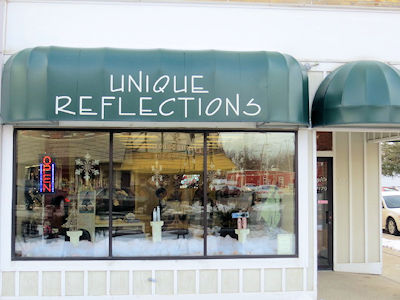
This is the location of Unique Reflections located at 223 N. Clinton today. It is owned by Corrine Trimbach.

Back in the day it was Eiseler’s Superette. The store was a grocery store that carried an old fashioned fresh meat counter among other groceries.

I remember my dad purchasing fresh Kidney for my cat Boots who loved it and him. Those were the days!

maralyn@sjindy.com

Features

This week’s Mystery Photo

Where is this?

mystery259

Can you tell us where this is located? Drop us a line at mail@sjindy.com.

mystery01

Anne Moore writes: 105 S Swegles. It is the home I grew up in.

Anne Moore is the daughter of Jim and Betty Moore, long time residents of St. Johns. She now lives in Denver, CO.

******
Robbie Moore writes: This would be 105 S. Swegles. I believe I grew up there with the Romigs, then Werbishes, as our south neighbors and the Spencers, then Andersons to our north. A truly great neighborhood.

******
Maralyn Fink writes: This is the home of Frank Jilka, our Band Director in the 1950’s. Jean and I spent many hours steaming wallpaper off the walls, babysitting and just plain having fun. Another blast from the past!

******
Suzie Jilka Albin writes: That house looks vaguely familiar. Is it 105 S. Swegles St.?

Suzie also posted some memories of the house on Facebook.

jilkahouse2
The house in March, 1960.

jilkahouse1
And again a year later.


A Look Back – Award Ceremony

by Barry Bauer

award

From left to right: William Patton, manager of the Capitol Savings and Loan Association branch in St. Johns, unidentified, Betty Minsky, local newspaper writer, and unidentified.

It’s unclear from this photo what the award was or who it was awarded to. This took place in 1968.


Benny and Jessie’s Pet Info – Catching Your Dog’s Noise and Storm Phobia Early

I have noticed lately that my dog stops and stares at certain loud sounds such as motorcycles. I know him well enough to know that if he is alerting to something, he is worried about it. His tail wags almost all of the time so when his tail stops wagging, I pay attention.

For dogs with severe Noise and Storm Phobia, treatment can involve multiple medications, lots of behavior modification, and environmental changes. Could fear of the sound of a motorcycle in an 8-month-old dog eventually morph into Storm Phobia? Sure it could.

Dogs who are storm phobic often are sensitive to noises. There are various levels of reactivity to storms.

Storm Phobia usually starts as a simple noise phobia. Then the dog associates the lightning, rain, darkening of the sky, and even the changes in the barometric pressure with the sound of thunder. This leads the dog to consequently become frightened of those things as well. This generally takes years to happen.

That is why dogs are most often presented for Storm Phobia in middle age. It just takes time for the disorder to progress to the point where owners are worried about it. Trembling and alert dogs are ignored, but dogs who hurt themselves jumping out of a second story window during a storm get help.

When dogs with noise sensitivity and noise fear are caught early and treated, often the disorder can be arrested in that early stage, never progressing to Storm Fear.

I suggest using classical counter conditioning to treat mild anxiety. This method is easy to execute. Whenever the dog reacts to any sound with anything less than an “I don’t care” attitude, I get very excited and hand him a treat. I repeat this process every 1-2 seconds until the dog no longer looks at the thing that is making the sound. Already, after doing this for a very short time, I can see that his emotional state will starting to change. When he hears a motorcycle, he looks for just a second and then looks back at me like, “Where is my cheese?”

The second way that I would treat this problem is to react differently during a storm. When there are storms, we turn the music up very loud and we immediately give our dog a food toy so that he will associate storms with good things. We usher him into the room where we have the music turned up so that he learns to be independent from us during this time.

Finally, we would protect him from situations in which there is no problem now, but which could be a problem later. For example, when we recently went out for fireworks, we left the dog in his crate, which he loves. We turned the music up very loudly and gave him a couple of toys stuffed with canned food. Even though he hadn’t had a reaction to fireworks yet, I wanted to make sure that he didn’t start.

Take a close look at your puppy. Are there times when he is stressed, even just a little? Now, in puppyhood, is the time to act; not when he has chewed through your walls on the 4th of July.


Maralyn’s Did You Know? –


Letters – National Child Abuse Prevention Month

April is National Child Abuse Prevention Month. We invite you to join CASA-The Voice for Clinton County’s Children in our commitment to help make sure all Clinton County children have a safe, permanent home.

Our CASA (Court Appointed Special Advocate) Volunteers make sure Clinton County children who are involved in court proceedings due to abuse or neglect are heard and assist to ensure their needs are met. CASA Advocates stay with their appointed children until their court case is closed and the children are in a safe, permanent home.

During National Child Abuse Prevention Month, we invite you to learn more CASA Advocacy in Clinton County by visiting our website ClintonCountyCASA.org or contacting our office 517-599-7145.

If you believe a child is being abused or neglected report your suspicions confidentially to Michigan’s Child Abuse and Neglect Hotline at 855-444-3911. Together we will advocate for children to have safe, permanent homes.

Sincerely,
Kelly L. Schafer, CASA Executive Director


Maralyn’s Pet Corner – OMG, That Reptile’s Got Salmonella!

Much has been made of the ability of our animal species to spread Salmonella willy nilly. As veterinarians, we’re trained to tell you, our pet-owning clients, lots about how your pets might potentially give you the crud. But how careful do you really need to be?

It’s undeniably true:;reptiles can carry about 200 different types of Salmonella, all of which can give you salmonellosis.

Here’s an excerpt from this month’s NAVC Clinician’s Brief on the subject:

Approximately 40,000 confirmed cases of human salmonellosis are reported annually in the U.S. and result in nearly 400 deaths. Pet reptiles are a known source of Salmonella species exposure to humans. Salmonella detection and elimination in reptiles, however, does not seem to be a viable solution for preventing salmonellosis in humans because identifying Salmonella species from infected reptiles is not precise … numerous efforts have been made to prevent Salmonella shedding in reptiles without success. Even when the best efforts are employed to eliminate Salmonella from [infected] reptiles, there remains a constant risk for environmental exposure.

Yes, while reptiles often carry Salmonella around in their guts, knowing whether they’re liable to infect you with it or not isn’t exactly easy. So you can’t know whether that turtle you bought at the pet store has it or not before taking it home to your kids. And if it does, there’s no way to be 100 percent safe from its ability to shed the bacteria in its feces.

That’s because Salmonella bacteria have a way of hiding so that they’re not always identifiable when you test any given animal.

But there is a silver lining, again thanks to the Clinician’s Brief:

The good news is that simply touching or holding a reptile will not result in spread of Salmonella. Exposure occurs when something that has become contaminated with fecal material while handling the reptile (eg, hands, fingers, food items) is placed in the mouth or ingested.

Which is why we veterinarians offer our clients these basic guidelines to prevent exposure:

– Washing hands after handling reptiles
– Not allowing reptiles to roam free in such areas as the kitchen and bathroom
– Not cleaning reptile equipment in the kitchen or bathroom
– Not eating, drinking or smoking while handling reptiles

Additionally, the Centers for Disease Control and Prevention also recommends that kids under five years of age and immunocompromised individuals should completely avoid contact with reptiles … just in case.

But Dr. Doug Mader, veterinary specialist on the reptile front, has this to offer by way of commentary:

It should be noted that even though these numbers sound extreme, Salmonella species are ubiquitous and can be found not only in the common animals we encounter every day (eg, dogs, cats, mice, rats, birds, cockroaches, hermit crabs), but also in such foods as peanut butter, tomatoes, raw eggs and uncooked chicken. In fact, the odds of contracting salmonellosis are greater from exposure to these foods than from contact with reptiles.

And I do believe him. But are the odds in our favor because so few of us are willing to keep reptiles relative to eating soft-boiled eggs? Not sure about that one. I’ll keep you posted.

Features

This week’s Mystery Photo

Where is this?

mystery01

Can you tell us where this is located? Drop us a line at
mail@sjindy.com.

******

307 S. Oakland

mystery257

The current owners are Brian & Cathy Keyes. Previous owners include Bazil Southwell, David and Patricia Johnston Sr., and David Jr., Dan, Veronica Johnston.


A Look Back – Come Blow Your Horn

by Barry Bauer

back
Vicki Rowell, Wayne Hicks, Gene Livingston, Barbara Rann, Alyce Duski-Cramer and seated is Phil Anderson.

They were upstairs in what was then the E. F. Boron Co. building practicing their roles in the play, “Come Blow Your Horn.” This was Neil Simon’s first play on Broadway and was later made into a film starring Frank Sinatra.

Thanks to Gene and Carol Livingston for the information.


Benny and Jessie’s Pet Info – New Rabies Guidelines Published

Do you think rabies has nothing to do with you and your dog or cat? You’re wrong. While the disease itself is now (thankfully) quite rare in people and pets in the United States, it is still extremely important.

A new edition of the Compendium of Animal Rabies Prevention and Control has just been released and it contains some updated recommendations with regards to protocols to be followed when a pet bites a person or when a pet is bitten by a rabid or potentially rabid animal. To paraphrase:

Regardless of rabies vaccination status, a healthy dog or cat that bites a person should be confined and observed daily for symptoms consistent with rabies infection for 10 days from the time of the exposure.

Dogs and cats that have never been vaccinated and are exposed to a rabid animal should be euthanized immediately. If the owner is unwilling to have this done, the animal should receive a rabies vaccination and be placed in strict isolation for 4 months. Isolation in this context refers to confinement in an enclosure that precludes direct contact with people and other animals.

Dogs and cats that are overdue for a booster vaccination and without appropriate documentation of having received a USDA-licensed rabies vaccine at least once previously should be treated as an unvaccinated individual. Alternatively, the dog or cat can undergo serologic monitoring for a response to rabies vaccination that indicates the animal has been previously vaccinated. If serology indicates no previous vaccination, the dog or cat should be treated as an unvaccinated individual. If serology provides evidence for a previous rabies vaccination, the dog or cat can be treated as an overdue but previously vaccinated individual (see below).

Dogs and cats that are overdue for a booster vaccination and that have appropriate documentation of having received a USDA-licensed rabies vaccine at least once previously should receive a booster rabies vaccination and be kept under the owner’s control and observed for 45 days.

Dogs and cats that are current on rabies vaccination should receive a booster rabies vaccination and be kept under the owner’s control and observed for 45 days.

The Compendium holds a lot of sway, but it is not the definitive word on what happens to a dog or cat after biting a person or after exposure to a rabid animal. Those decisions are made and enforced at the state and local levels. A new website under development, RabiesAware.org, will provide owners and veterinarians with a lot of good information, like state-specific answers to the following “frequently asked questions” about rabies:

– Which species are required to be vaccinated against rabies?
– Who is legally authorized to administer a rabies vaccine?
– What are the medical record requirements for rabies vaccination?
– What are the age requirements for rabies vaccination?
– Following the initial rabies dose, when is an animal legally immunized?
– What are the state importation requirements for rabies vaccination?
– Can a 3-year rabies vaccine be substituted for a 1-year vaccine?
“Overdue” for rabies vaccine booster
– Can a rabies antibody titer be used to establish “immunity?”
– What constitutes rabies “exposure” in a pet?
– What are the consequences of rabies “exposure” in a pet?
– What are the consequence for a pet that bites a human?
– Can a veterinarian exempt rabies vaccination requirements?
– At what age can rabies vaccination be discontinued?
– Is rabies vaccination of hybrid species recognized or allowed?


Maralyn’s Did You Know? – Fromm Family Pet Food Recall

Fromm Family Pet Food, a Wisconsin-based pet food company, is recalling select 12. Oz cans of Gold canned dog food pâtés due to possible issues concerning elevated levels of Vitamin D.

Fromm Family Pet Food discovered the issue through their own analysis and, according to a letter found on its website, is,“recalling these products out of an abundance of caution.”

The following cans of Fromm Family Pet food, which were distributed from December 2015 to February 2016, are part of the recall:

12 oz. Gold Chicken Pate Dog can case code#11893, individual can upc : 72705 11892
12 oz. Gold Chicken & Duck can case code #11895, individual can upc: 72705 11894
12 oz. Gold Salmon & Chicken Pate can case code #11891, individual can upc: 72705 11890

Fromm Family Pet Food has yet to receive any reports of any health problems associated with these cans. According to company, “the impact of the excess Vitamin D should be seen only when dogs have eaten these products as their exclusive meals for an extended period of time.”According to the company, this could lead to a reduction in appetite.

If you have any of dog food cans involved in this recall the company urges you to return them to the place of purchase or any Authorized Fromm Retailer for return to Fromm Family Foods. To find an Authorized Fromm Retailer near you, visit frommfamily.com/retailers or call (800) 325-6331.

For additional information about the recall contact Fromm Family Pet Foods at (800) 325-6331.


Letters – Did you know?

I was appointed, several months ago, to MSU Extension and AgBioResearch State Council. I represent the counties of Barry, Clinton, Eaton, Gratiot, Ingham, Ionia, and Montcalm. It is a diverse and large district.

I thought I would tell you just some of the interesting facts that I have learned.

MSU Extension and AgBioResearch have many on campus labs along with 13 off campus research centers. Every dollar that the state invests into MSU Extension leveraged an additional $2.06 in federal funds, contracts, grants, and other revenue. This included $1.3 million leveraged for children and youth programs.

MSUE has one hundred years of history with regard to making community connections and using their expertise in addressing/educating people on health related issues.

When taking part in a natural shoreline preservation program I learned that by rebuilding and taking care of shorelines, the results can be amazing. There will be increased privacy, reduced noise, less pollutant run-off, natural deterrents for geese, and support toward native plants and animals. All seem like good consequences.

The Red Pine is the most widely planted commercial forest species in Michigan occupying more than 25,000 acres.

Michigan Milk Producers donated 22,700 gallons of milk to MI Food Banks. Most recently they donated 12,000 gallons to Flint! The cost/human benefits of this action are huge. There are, and have been, 15 MSUE/Ag Bio Research staff living and working in Flint, including several health scientists. Check out the Empower Flint APP.

Michigan is number one nationally in the production of blueberries, tart cherries, and black beans. Number two in dry beans. Number three in apples. Number four in sugar beets. Ninth in potato production and thirteenth in winter wheat.

The programs available through MSU Extension and AgBioResearch are plentiful and everywhere in this state. Visit www.msue.msu.edu for more information.

Lynn Mason,
Belding Area Resident


Maralyn’s Pet Corner – Why Do Cats Eat Grass?

Whether you have an indoor or outdoor cat, one thing is for certain: your feline friend has probably nibbled on grass on more than one occasion. While it might seem like strange behavior — especially when your cat throws up afterwards — there’s really nothing to worry about. Not only is there no evidence to suggest that grass will harm your cat, but many experts theorize munching on those long green blades can be beneficial for your cat.

Carnivorous Rex

Cats regurgitate when they eat grass because they lack the necessary enzymes to break down vegetable matter. Does this mean your cat likes to throw up? Well, while it’s doubtful that kitty enjoys the act, this up-chucking sensation may eliminate all indigestible matter from the cat’s digestive tract, making it feel a whole lot better. This is important because cats eat their prey as is, including both the edible and inedible parts (fur, bones, feathers, etc.)

It’s in the Juice

Much like mother’s milk, the juices in grass contain folic acid. This is an essential vitamin for a cat’s bodily functions and assists in the production of hemoglobin, the protein that moves oxygen in the blood. Think of it as a wheat grass shake for your kitty (let’s hope they like it more than you do).

Nature’s Laxative

Another theory is that grass acts as a natural laxative, counteracting any cases of indigestion. As any cat owner knows, cats regularly throw up and leave lovely, wet little fur ball presents around the house. But when the fur moves deep into the digestive tract, kitty needs a little help to break it down and pass it out the other end. Call it a sixth sense or just intuition, but your cat knows that a little bit of grass may just go a long way in cleaning out its system (and may save you a trip to the veterinarian).

So all in all, ingesting grass is not a bad thing. Some even believe cats eat grass to relieve sore throats. We would like to point one thing out, though. Regardless of whether you have an indoor or an outdoor cat, you should make sure that all your household plants are of the non-toxic variety. You may also want to buy a small tray of grass just for the cat, or start an herbal home garden. This will give your cat an alternative to the outdoor grass and landscaping, the eating of which could lead to accidental ingestion of pesticides, herbicides, or chemicals that may have been used to treat your (or your neighbor’s) yard.


Remember When? – Glaspie Drug Store

by Maralyn Fink

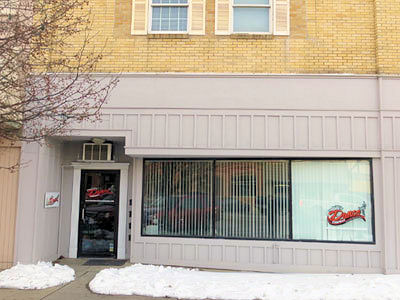
Back in my day this building which is now a dance studio was Glaspie Drug Store. The store was operated by Harold Millman who was also the Pharmacist. I loved going in just smell the compounds and chemicals.

Harold’s wife was Elizabeth Millman, and they resided at 305 E. Walker St. Mrs Millman was head of Bement Public Library. In my eyes at that time, they lived in a huge “mansion”. It was a very beautiful place, and I used to wonder what that would be like.

In high school when we had co-op, which meant we left the last hour of school to work at a job. I worked under Mrs. Millman in the children’s library in the basement. I remember the basement was always the hottest place to be, and at times I caught myself in a doze.

There were 3 Pharmacies back then, and Mr. Millman was one super person giving great customer service. If I could only go back!

glaspie

Maralyn@sjindy.com

Features

This week’s Mystery Photo

Where is this?

mystery257

Can you tell us where this is located? Drop us a line at mail@sjindy.com.

505 S. Oakland St.

mystery256

Neighbor Don Zimmerman writes Don and Julie Vecasey at 505 S. Oakland St.

The previous owner was Jessie Bartholomew.


A Look Back – City Commission Meeting

by Barry Bauer

irrer

Gerald “Jerry” Irrer, on the left, was a well known, well liked, local barber. He was also an antique dealer/collector. The story I remember most about him was the time a car was driven into his shop from the street and resulted in a remodeling job.

On the right is Rex Sirrine, local banker and father of the late Bob Sirrine who owned the Osgood Funeral Home.

One thing they had in common was they were both City Commissioners at the time of this 1968 photo.


Maralyn’s Did You Know? – Purina Voluntarily Recalls Wet Dog Food

Nestlé Purina has issued a voluntary recall of select wet dog food sold in 10-oz. plastic tubs due to possible issues with the level of vitamins and minerals in the food.

This Purina dog food recall only involves the following brands with both a “Best Before” date range of June 2017 to August 2017 and production code range starting with the first four digits of 5363 to 6054.

– Beneful Prepared Meals Wet Dog Food in 10-oz. Tubs

– Beneful Chopped Blends Wet Dog Food in 10-oz. Tubs

– Pro Plan Savory Meals Wet Dog Food in 10-oz. Tubs (limited to five varieties)

According to Purina’s website the recall occurred because the company discovered through their own internal quality tests that some 10-oz. wet dog food tubs may not contain the recommended level of added vitamins and minerals.

Pet parents with product questions are urged to discontinue feeding the food to their dog and discard it. For more information on the dog recall and to receive a refund for affected products contact Purina at 1-800-877-7919.


Letters – CASA says thanks

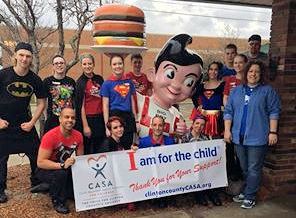
CASA-The Voice for Clinton County’s Children appreciates all who joined us for the kick off of our 2016 Superhero Season on March 9th.

bigboycasa

Super thank you to the St. Johns Big Boy and their staff for being wonderful hosts for a fun evening of a spaghetti buffet served by terrific Superheroes. We had a wonderful evening visiting with Big Boy patrons about CASA and appreciate all who came out for the evening.

To learn how you can be a Superhero for Children, please visit our website ClintonCountyCASA.org or contact our office at 517-599-7145.

Sincerely,
Kelly Schafer, CASA Executive Director


Maralyn’s Pet Corner – Vitamin C Deficiency in Guinea Pigs

Scurvy in Guinea Pigs

Like people, guinea pigs lack the physical ability to manufacture their own vitamin C, and require an outside source of vitamin C in the form of vegetables and fruits. If a guinea pig does not get enough of this vitamin in its diet, its body’s supply of vitamin C will disappear quickly, leaving it vulnerable to a condition called scurvy. This condition can interfere with the body’s ability to manufacture collagen — an important component of bone and tissue formation — can cause blood clotting problems, and can lead to problems of the skin and joints. Vitamin C deficiency is common in guinea pigs.

Some guinea pigs may develop a vitamin C deficiency even when they are getting enough vitamin C in their diets. This can happen if there are other illnesses or physical problems that are preventing the guinea pig from eating enough, or are interfering with the body’s ability to absorb the vitamin C properly. Vitamin C deficiency due to dietary causes can be prevented (or treated) by feeding a specially formulated guinea pig diet or by regular supplementation with vitamin C tablets.

Symptoms and Types

– Weak and lacking in energy
– Difficulty in walking due to swollen joints
– Spots or subcutaneous bleeding may be noticed just under the surface of the skin
– Small wounds may bleed excessively or not heal as rapidly as normal
– Internal bleeding may also be present, including in the muscles, the membranes around the skull, the brain, and in the intestines
– Rough hair coat
– Loss of appetite with concurrent weight loss
– Diarrhea
– Sudden death, if left untreated

Causes

Guinea pigs are prone to vitamin C deficiency as they lack the body mechanism needed for synthesis of vitamin C. This is sometimes exacerbated by a lack of vitamin C-rich food in the diet. Vitamin C deficiency can also occur due to other illnesses or physical problems that are preventing the guinea pig from eating or absorbing enough vitamin C-rich foods.

Diagnosis

You will need to provide a thorough history of your guinea pig’s health and diet leading up to the onset of symptoms. Your veterinarian can make an initial diagnosis of vitamin C deficiency by going over your guinea pig’s diet and by performing a thorough examination, looking especially for bleeding or joint problems. A blood analysis will also be conducted to determine the level of vitamin C in the blood.

Treatment

Treatment includes giving your pet guinea pig daily vitamin C supplements for 1-2 weeks, either by mouth as directed by your veterinarian or by injection at your veterinarian’s office. Administration of multivitamin tablets is not recommended as many guinea pigs develop allergic reactions to some of the other minerals that are present in the tablets.

Living and Management

Your pet guinea pig will need to be monitored carefully while it is recovering from vitamin C deficiency. Consult your veterinarian about the specialized diet you will need to prepare for your guinea pig, both to treat the condition as it is occurring and to prevent further episodes from occurring.

Some of the foods that are rich in vitamin C, and that guinea pigs tend to enjoy, are kale, tomatoes, bell peppers, spinach, broccoli, dandelion greens, cabbage, and oranges, among other foods.

Prevention

Because this is a relatively common ailment in guinea pigs, you should consider taking steps to prevent vitamin C deficiency from occurring in the first place, before it becomes an issue. Ensure that the feed you are providing to your guinea pig contains an allowance of at least ten milligrams of vitamin C per day, and if you are preparing a diet for a pregnant guinea pig, make sure to increase the allowance to about 30 milligrams of vitamin C per day.

It is important to take note that too much vitamin C in the diet can bring about its own set of problems, so care needs to be taken to rotate the types of vegetables and feed you are offering to your guinea pigs, as well as the amount of these foods your are offering.

Features

Now and Then – Purely Michigan in Auburn Hills

by Jean Martin

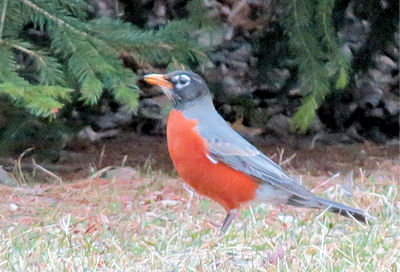
Barry saw his first robin this week.

robin2016

In completely unrelated news . . .

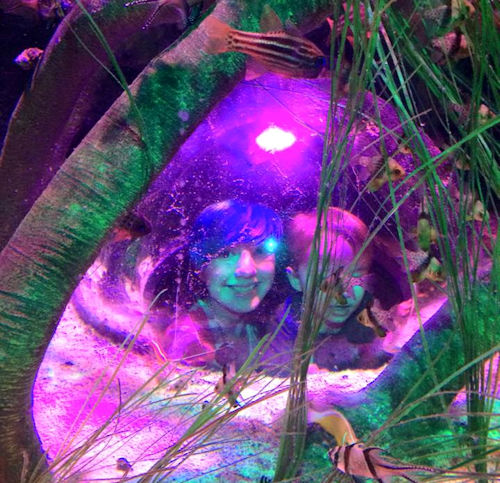
It seemed like it was finally safe to take a short road trip to Great Lakes Crossing and the Sea Life Aquarium in Auburn Hills.

It might take 3 or 4 days to do a really thorough job of a visit like this; but by following a 3-year-old around we were able to accomplish the whole thing in about 4 or 5 hours.

08

See the whole album https://picasaweb.google.com/110845930262453987007/160308?authuser=0&feat=directlink


This week’s Mystery Photo

Where is this?

mystery256

Can you tell us where this is located? Drop us a line at mail@sjindy.com.

909 N. Oakland St.

mystery255

the current owner is Tammy Thelen. Previous owners include David Sillman, Louis Knight, and Bernard and Beulah Neller.


A Look Back – John Rehmann

by Barry Bauer

rehmann

This photo of John Rehmann, then manager of Rehmann’s Men & Boys Wear store, was taken in 1968, and I believe this is the location next to Clinton National Bank at 206 N. Clinton Ave. That building is now occupied by Clinton Electronics/Radio Shack.

The young unidentified boy apparently won a bicycle in Rehmann’s “Christmas in July” store promotion.


Benny and Jessie’s Pet Info – Heart Failure in Dogs

Heart failure (or “congestive heart failure”) is a term used in veterinary medicine to describe the heart’s inability to pump enough blood throughout the body to keep the circulatory system from “backing up.” Not only does this lead to a condition whereby fluid accumulates upstream of the failing chambers of the (right sided heart failure affects the animal differently than left sided heart failure), it means less blood––and therefore less oxygen––is getting to the tissues of the body. For this reason, heart failure is an unsustainable condition that must be quickly reversed if the animal is to survive.

What to Watch For

The symptoms of heart failure will differ depending on which side of the heart is affected, right or left.

– Right-sided heart failure (backward failure):
abdominal distention (ascites)
exercise intolerance
lethargy/weakness

– Left-sided heart failure (forward failure):
coughing
breathing difficulty
lethargy/weakness
bluish skin/gums

Primary Cause

In pets heart failure is most commonly the result of chronic valve disease (in which the valves of the heart degenerate and prove incompetent), abnormal heart rhythms (arrhythmias) and nutritional or hereditary conditions affecting the heart muscle or the major vessels leading to and from the heart. It should go without saying that the treatment of heart failure should address both symptoms and root cause(s).

Immediate Care

In cases of heart failure, the timing of treatment is critical.

– Check for a pulse or heartbeat.
– Squeeze the dog’s gums and see if blood runs back into them when you remove your fingers.
– If the gums refill with blood, the heart is still active. You may need to give artificial respiration.
– If the gums do not refill with blood, the heart has stopped. You will need to give CPR and artificial respiration.

Seek immediate veterinary care in all cases.

Because oxygen therapy and drug therapy is considered essential, hospitalization will be required.

Treatment

Long-term treatment is required in almost all heart failure cases in which the crisis has been overcome. Drug therapy, dietary changes and/or surgery (as in the case of some congenital heart defects), can be extremely effective in preventing future episodes, mitigating the overall severity of the underlying disease and increasing the quality of life.


Maralyn’s Pet Corner – Dehydration in Horses

Dehydration occurs when there is excessive loss of water in the horse’s body. Generally due to strenuous exercise or long bouts of diarrhea, this loss of water and electrolytes — minerals like sodium, chloride, and potassium — is a serious emergency that can lead to kidney failure if the horse is not quickly rehydrated.

Symptoms and Types

A horse’s skin loses its elasticity when its body fluid or electrolyte levels are depleted. An easy way to identify this is to pinch up a skin fold along the horse’s back. A dehydrated horse’s skin will stay up in a ridge, while healthy skin should spring smoothly back into place. Other signs of dehydration include:

– Lethargy
– Depression
– Dullness in the eyes
– Dry skin and mouth
– Thick and sticky saliva
– High level of protein in the blood

Causes

Excessive fluid and electrolyte loss due to diarrhea or strenuous exercise can cause dehydration, as does an abnormally high body temperature (hyperthermia) or fever. Some other causes of dehydration include:

– Long distance riding/racing
– Athletic events
– Trail riding
– Severe burns
– Endotoxemia (disease which causes renal failure)
– Colitis-X (disease which causes watery diarrhea and hypovolemic shock)
– Anaphylactic shock (shock triggered by an allergic reaction)

Diagnosis

Your veterinarian will run various blood tests to determine if the horse is dehydrated. Such tests will identify a reduction in the water content of the horse’s tissue cells by examining the amount of protein in the blood and the blood volume itself. Examining the animal’s urine will also help in the diagnosis and may reveal secondary problems which have occurred in the kidneys.

Treatment

Administering fluids and electrolyte solutions is vital in treating and stabilizing horses suffering from dehydration. However, seek the advice of your veterinarian, as these dosages require medical expertise — excess administration of fluids can lead to a condition called water intoxication.

Generally a veterinarian will administer electrolyte solution by mouth and in severe cases, fluids injected intravenously into the horse may be necessary. The method that is chosen depends on the attitude, temperament, and health of the dehydrated animal. After the electrolyte balance is brought back into the “safe zone,” any other issues that may have caused the dehydration can be treated.

Prevention

Water is the life force of all living things and if horses are pushed to the point of exhaustion without an opportunity to rehydrate, it could be detrimental to the horse’s health, even causing death. Therefore, following simple management practices like always providing adequate fresh, clean water to your horses could prevent dehydration.

Features

This week’s Mystery Photo

Where is this?

mystery255

Can you tell us where this is located? Drop us a line at mail@sjindy.com.

203 Floral Ave.

mystery254

The current owners are Steven and Jane Cleland. Previous owners include John Anderson, and Germaine Rehmann.


A Look Back – Willis Hettler Jr.

by Barry Bauer

hettler

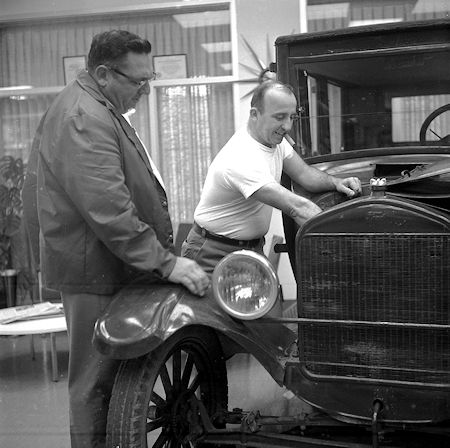
Willis Hettler Jr. (right) pointing out some things to Keith Shafley. I think the car was a Ford Model T.

You never saw Junior, as he was called, without a cigar. He worked for his father, Willis Hettler Sr. at Willis Hettler Auto Sales on E. State St. that sold Chrysler products.

He also drove their wrecker which was a popular wrecker to call to get you out of bad places. I was fortunate to have him pull me out of a creek after I went off the road in 1962. They carried me “on the books” until I could afford to pay for the tow bill.


Benny and Jessie’s Pet Info – Choosing the Best Dog Food

By T. J. Dunn, Jr., DVM

“What is the best food to feed a dog?” Every day veterinarians are asked that question by dog owners. It’s a sincere question because most dog owners want to feed the very best to their furry friends. Good health begins with proper nutrition, regardless of price or convenience of acquisition.

Please understand that the entire discussion on this page relates to healthy dogs with no kidney, thyroid, food allergy or other abnormal conditions. Also, the content of this page is my opinion regarding the “best” dry dog food and how to determine what you think is “best” to feed dogs.

A big reason why it i is strictly an opinion, there is no single answer to the question “What is the best diet to feed a dog?” Or if there is an answer it is, “It depends”.

Over the past 37 years I have been examining dogs and cats in my practices I have made it a point to ask the owner “What diet are you feeding?” I have gotten all sorts of answers but in every case I relate the owner’s response to what I am seeing in the patient. And over the years my suggestions regarding what to feed have changed.

Originally I took the pet food manufacturer’s declarations as fact — that an assortment of “Complete and Balanced” pet foods were perfectly nourishing because that wording was not legally permitted on pet food labels unless feeding trials demonstrated its veracity. I eventually discovered I was mistaken in the belief that any “Complete and Balanced” dog food was appropriate to feed.

It was in 1978 that I had an awakening. A number of owners were presenting dogs to me that had coarse hair coats and slightly greasy and flaky skin; and often these dogs (and cats!) had chronic itchy skin, hot spots, ear infections and seemed overweight.

So they were over-caloried but under-nourished. Their calorie intake was up but the food they were consuming simply — no matter that the pet food label indicated “Complete and Balanced” –was not providing a proper nutrient spectrum to the dog. Sometimes I would simply say that some fatty acid supplements “might help”. I was a believer in those “Complete and Balanced” diets. One of the reasons I couldn’t see what was going on regarding these dogs with poor health signals relating to diets was that some of the “Complete and Balanced” diets were resulting in well nourished dogs, partly because the owners were feeding table scraps as well.

I’ll jump ahead a bit and tell you the defining element that separated the good “Complete and Balanced” diets from the poor ones was this: The poor diets were based on corn — meaning, corn was listed as the first ingredient in the ingredient list on the label — and the good diets were based on chicken or some other meat source — lamb, beef.

was always instructed, and learned in the few nutrition courses in veterinary school (nutrition is much better covered in veterinary school these days) that an imbalance of calcium and phosphorus in a dog’s diet would lead to health disasters. This holds true today, too.

I was instructed that “since meat is high in phosphorus and lower in calcium, too much meat is not good for dogs over long periods of time”. (Many people still confuse the disastrous all meat diets with meat-based diets; one is not good the other is ideal.) Grain-based diets for dogs, and even more so for cats, do not make nutritional sense and that was exactly why I was seeing those patients with the dry and flaky, sometimes greasy skin and coarse hair coats. They were eating “Complete and Balanced” grain-based diets with nothing else added. Why add anything when it is “Complete and Balanced” already?

Further confirmation came when I saw another litter owned by a local Bloodhound breeder. This fellow seemed to me to be quiet and a healthy ten-year-old dog with a shiny coat.

When I’d ask him what he was feeding his dogs we would get into our annual nutritional discussion and I’d keep warning him about the home-made recipe and all that meat he had been feeding his dogs for years.

Funny thing was, his dogs were among the very best I had ever seen. All his litters, and adult dogs, were robust, had perfect skin and coats even at six weeks of age, and never had to come in for skin problems, skeletal dysfunction, gastrointestinal problems or oral health issues. This breeder was sending his pups all over the country and there I was trying to tell him to be careful about “feeding too much meat” and I’d talk about such things as “a ‘Complete and Balanced’ commercial dog food would be best, make sure you don’t get skeletal problems”. I wondered why I felt rather foolish instructing him because I honestly thought his dogs were in optimum health.


Maralyn’s Did You Know? – Food Recalls

Whole Foods Market Recalls Maytag Blue Cheese

Whole Foods Market in Austin, Texas is voluntarily recalling Maytag Raw Milk Blue Cheese nationally due to possible contamination with Listeria monocytogenes.

Listeria monocytogenes is an organism, which can cause serious and sometimes fatal infections in young children, frail or elderly people, and others with weakened immune systems. Although healthy individuals may suffer only short-term symptoms such as high fever, severe headache, stiffness, nausea, abdominal pain and diarrhea, Listeria monocytogenes infection can cause miscarriages and stillbirths among pregnant women.

No illnesses have been reported in connection with this recall to date.

Customers who have purchased this product should discard it, and may bring their receipt into the store for a full refund. Consumers with questions may call 512-477-5566, extension 20060, Monday through Friday, 8:00 a.m. to 5:00 p.m. Central Daylight Time.

Recalling Alfalfa and Alfalfa Onion Sprouts

State health and agriculture officials are investigating an outbreak of food borne illness. Retailers and restaurants should not sell or serve alfalfa sprouts and consumers should not eat them at this time.

Routine disease monitoring by the Minnesota Department of Health (MDH) identified seven E. coli O157:NM cases in January and early February; E. coli bacteria from those cases all had the same DNA fingerprint illness. The ill individuals range in age from 18 to 84 years, and five are female. Four of the cases are residents of the Twin Cities metro area, and three live in greater Minnesota. Two were hospitalized, and both have recovered.

Jack & The Green Sprouts is cooperating with this process and is located in River Falls, Wis., and distributes alfalfa sprouts to states in the upper Midwest and possibly other states. The seven Minnesota cases and at least one of the Wisconsin cases were exposed to the implicated alfalfa sprouts from a variety of locations, including grocery/cooperative stores, restaurants, salad bars and commercial food service.

For more information see http://www.fda.gov/Food/RecallsOutbreaksEmergencies/Outbreaks/ucm487651.htm.


Letters – Reader sees herself in A Look Back

Wow, my cousin sent me the link and I see my picture with Dr Stoller and a story about me. I couldn’t of been more surprised.

stoller

I am Kathy/Kathleen Cornell Williams. I look back on my years at Rodney B Wilson Hi and only smile. They were wonderful and I treasure all the memories.

cornellTo give a bit of an update. I did go on and take my nurses training at Hurley Hospital in Flint. I may of graduated in the top 10 from RBW but sure didn’t there. Nurses training was the hardest thing I had ever done. I think anyone attending a hospital school of nursing would say the same thing. In one of my first classes the instructor said “Look to your left and right, by the end of the year one of you will be gone and by the end of the second year only one will be left” and she was right. But it was great training and I did go on to graduate in the spring of 1971 and went right to work.

Most recently I worked 15 years at Clinton Memorial (I still call it that) before moving in 2007 to my present home in Northport, at the tip of the beautiful Leelanau Peninsula. I loved working at CMH serving my hometown.

After moving, I worked almost 2 years at Munson Medical Center in Traverse City in the woman’s surgical, pediatric, OB and NICU areas. In the spring of 2010 I started work only 4 miles from my parents home (I moved north to live with them (James and Geneva Cornell) and they are now 90 and 92). I am the 3-11 supervisor at what was once the Leelanau Memorial Hospital and is now an Assisted Living and Memory Care facility called Highlands of Northport. Again I service my community but in a different capacity and I very much enjoy it.

auroraOne of my fondest memories of high school is the choral music department and Mr Vandemark. Thanks to his training (along with my 9 years of accordion lessons!) I am using that music talent directing the choir here in my local church as I did when I attended my hometown church in St. Johns, Bingham/Bengal EUB then joining and taking the name of Pilgrim UMC. It just goes to show that our past really does link the future.

I have family and friends in the St. Johns area that I stay in touch with. And if any one wants to see a most beautiful part of our whole nation, come visit us in Leelanau County. Our home is easy to find and we love visitors to stop by. It’s just past Woolsey International Airport on 629 just 4 miles north of Northport on the way to Grand Traverses Lighthouse. I thought you might be interested in a little update.

– Kathy Williams
krcwilliams@juno.com


Maralyn’s Pet Corner – Are Fish Flavored Cat Foods Causing Hyperthyroidism?

I am all too familiar with hyperthyroidism. It is one of the most common endocrine (hormonal) diseases of cats. I’ve diagnosed many of my patients with the condition, including two of my own cats.

First some background. Hyperthyroidism is a usually caused by a benign tumor within the thyroid gland that secretes large amounts of thyroid hormone. One of the primary functions of this hormone is to regulate an animal’s metabolism. Cats under the influence of too much thyroid hormone have a greatly increased metabolic rate, leading to the classic symptom of weight loss despite a ravenous appetite. Elevated thyroid hormone levels can also lead to high blood pressure, a type of heart disease called hypertrophic cardiomyopathy, vomiting, diarrhea, and increased thirst and urination.

In most cases, hyperthyroidism can be diagnosed when a cat has high circulating levels of thyroid hormone (total T4 or TT4) in conjunction with typical clinical signs. Additional forms of thyroid testing may be necessary in complicated cases. Treatment varies depending on the cat’s overall health and owner finances, but options include radioactive iodine therapy, daily medication, a low-iodine diet, and surgical removal of the thyroid gland.

While diagnosing and treating hyperthyroidism is relatively straightforward, identifying the disease’s cause is not. Theories abound, some of which have scientific research to back them up. Hyperthyroidism has been connected to canned cat food (perhaps because the lining of the cans contains bisphenol A – BPA) and exposure to flame retardant chemicals (polybrominated diphenyl ethers – PBDEs) used in furniture, electronics, and other consumer products.

Another possible risk factor is fish flavored food cat food. A study published in 2000 looked at the medical records of 100 cats with hyperthyroidism and 163 control cats (cats without hyperthyroidism) to determine whether or not a number of environmental or dietary factors played a role in which cats became hyperthyroid. The researchers found that “exposure to fertilizers, herbicides, or plant pesticides; regular use of flea products; and presence of a smoker in the home were not significantly associated with an increased risk of disease, but cats that preferred fish or liver and giblets flavors of canned cat food had an increased risk.”

And now more evidence points to problems with fish flavored foods. A 2016 study that evaluated feline blood samples and cat food found that the type of polychlorinated biphenyls (PCBs) and polybrominated diphenyl ethers (PBDEs) derivatives found in the cat food and cat blood came from “marine organisms.” Additionally, they were able to show just how feline physiology could convert the type of chemical present in the food into the sort that was found in the cats’ blood.

These papers aren’t definitive so I don’t recommend that we all immediately throw out our fish flavored foods or panic if that’s all our cats will eat, but the next bag I buy will probably be chicken rather than fish flavored.