Features

Now and Then – Where do old people vacation?

by Jean Martin

A week or so ago some of the family took a trip through Michigan’s Upper Penninsula. When we started out, the temperature was about 90 degrees.

First we stopped at a couple of lighthouses including 40 Mile Point and Seul Choix.

The next day we set out for Big Springs, Kitch-iti-kipi. If you are looking for this attraction, forget looking for signs. The signs point to Palms Book State Park now.

By the time we reached Fayette on the Garden Peninsula, one of us was running out of oxygen. While the rest of the family explored the restoration in progress, I sat on the porch of the old hotel and enjoyed a warm breeze and the incomparable scenery. It was then that I first noticed that I was by far the oldest person there.

In Iron Mountain we visited the Iron Mine. The outside temperature was hot and humid, but inside the mine it was a refreshing 45 degrees. Again I noticed that I was the lone elder, but the guide did mention that one time an older woman had pitched a stroke inside the mine.

In Munising the weather had turned, and we decided to take the only boat tour of the day that was venturing out to view the Pictured Rocks. Before we left the dock the captain announced that we could expect 3-5 foot waves on Lake Superior, so he was offering refunds to anyone who didn’t think they could handle that. The crew was nearly trampled by the old people heading to the ticket office for their refunds.

And so I ask, Where do old people vacation? I know they go on vacation; I see them in the restaurants and hotels. But where do they go; what do they do?


This week’s Mystery Photo

Where is this?

mystery279

Can you tell us where this is located? Drop us a line at mail@sjindy.com.

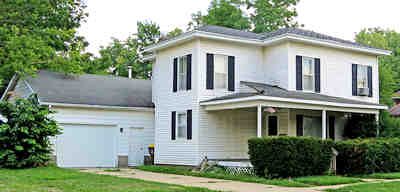
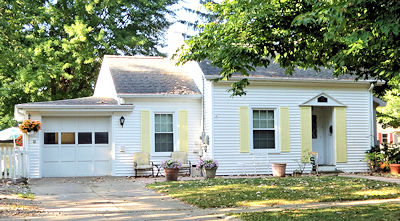
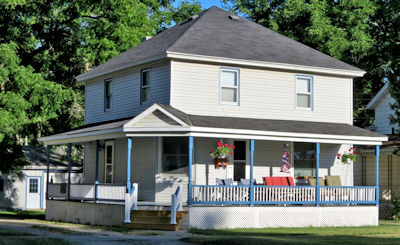
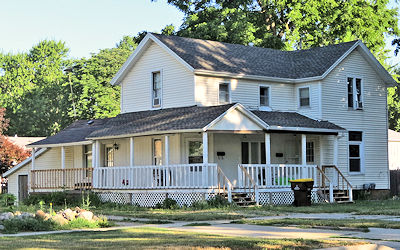
109 N. Lansing St.

mystery278

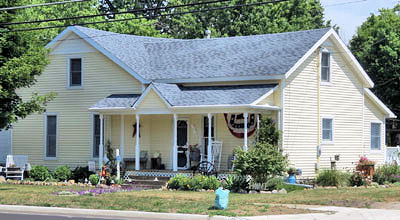
Julie Peters writes: That house is located on the south west corner of Lansing and Walker.

The current ownersare Sarah Roberts and Nathenial Oswald. Previous ownersinclude Audley Lucas, Elton Hoffer, and Michael Ballheim and Kelly Kentfield. The Robert Wood family lived there for a number of years.


A Look Back – Musical Family

Barry Clark Bauer

musical

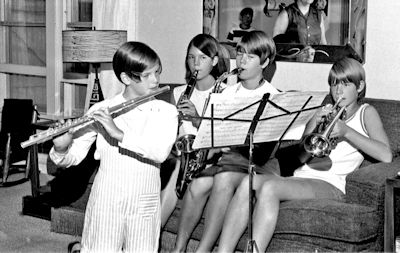
It takes a little coordination of times when you’ve got four daughters who play in the band and they all have to practice at home. Mrs. Norman C. Peterson says it isn’t too much of a problem. Occasions where they practice together are rare, though. Pat, 11, plays the flute, while Jean, 15, is playing the clarinet, Diane, 14, the sax, and Kristy, 13, the cornet.

Walter Cole, band director for the St. Johns Public Schools, said it is not too often that a family will have four of their children in band at the same time. If that’s the case, next year the Petersons might reach another milestone, their 10-year-old son, Wayne, is considering starting musical instrument training next summer.

The Peterson family lived at 211 W. Sturgis Street. Norman was a sintering line foreman at Federal-Mogul.


Benny and Jessie’s Pet Info
– Increased Urination and Thirst in Dogs

Polydipsia and Polyuria in Dogs

Polydipsia refers to an increased level of thirst in dogs, while polyuria refers to an abnormally high urine production. While serious medical consequences are rare, your pet should be evaluated to ensure that these conditions are not symptoms of a more serious underlying medical condition. Your veterinarian will want to either confirm or rule out renal failure, or hepatic diseases.

Polyuria and polydipsia can affect both dogs and cats, and can be brought on by a variety of factors. If you would like to learn more about how these diseases affect cats, please visit this page in the PetMD health library.

Symptoms

The most common symptoms of these medical conditions are an increase in urination, and drinking much more water than usual. There are generally no other behavioral changes.

Causes

The primary causes of polydipsia and polyuria include congenital abnormalities, and those associated with renal failure. Congenital diseases can include diabetes, a decrease in steroid production by the adrenal glands, and some rare psychological disorders. Kidney diseases, meanwhile, can be congenitally based, or can be linked to tumors, increased steroid production, increased thyroid hormone levels, and electrolyte or hormonal disorders.

Other potential factors behind polydipsia and polyuria are low protein diets, medications that are prescribed for removing excess fluid from the body (diuretics), and age. The younger and more active a dog is, the more likely it is that it will have intermittent increases in thirst and urination.

Diagnosis

Your veterinarian will examine your dog to determine the true levels of thirst and urination by measuring water intake and urination output. A baseline of normal fluid levels (hydration) and normal urination will be established for comparison, and an evaluation will be performed to ensure that the increased thirst and urination are not signs of a more serious medical condition.

Standard tests will include a complete blood count (CBC), a urinalysis, and X-ray imaging to rule out or confirm any issues with the kidney (renal) system, the adrenal system, and the reproductive systems.

Any other symptoms accompanying the increased levels of thirst or urination, even when appearing unrelated, will be taken into consideration during the final diagnosis.

Treatment

Treatment will most likely be on an outpatient basis. The primary concern is that renal or hepatic failure can be causing increased water consumption or increased urination. If both of these concerns have been ruled out, and there are no other serious medical conditions associated with either of these conditions, no treatment or behavior modification will be necessary.

Your doctor may recommend water limitation, while cautioning you to observe that your dog is adequately hydrated. Hydration levels should be monitored during and following treatment, since dehydration can also bring about serious medical complications. If the dog is dehydrated, electrolytes may also be prescribed.

Living and Management

Observation and comparison against the determined baseline levels are recommended for judging progress.

Prevention

There are currently no known preventative measures for either polydipsia or polyuria.


Letters
– Reader remembers Bill Richards

Rhonda Dedyne’s tribute to Bill Richards was beautiful. To support some of what she was saying, I have copied below a letter our daughter Courtney McCampbell sent when I told her that Bill was near death and asked her to write what he meant to her for me to read it to him. Unfortunately he died the next day before I got to read it to him.

Here it is in case others are as moved by it, as I am.

I don’t even know where to begin when it comes to Mr. Richards. After every adventure I went on, he liked to ask me what I learned, and now I sit here pondering what I learned from him.

The list is too long to go through, but there is one thing he taught me that I will never forget: What did I learn? I think about that after a big adventure, and after small ones. By asking such a simple question he helped me become a more reflective teacher and adult. That simple question helped build a great appreciation for learning and the knowledge that learning doesn’t come just from a book, but from the many and various experiences life throws at us. Please let him know that the impact he has had will go on and on for many generations.

I think of him and all of my wonderful science adventures every time I look up at the stars.
I think of him every time a student tells me science is cool.
I think of him when I go to the amusement park and see it all as one giant physics experiment. I think of him when I read the Little Prince.
I think of him when art and science combine into creations.
I think of him when I look back at the most amazing childhood a kid could ask for.
I think of him as I strive every day to give my students a glimpse of what he gave all of us.

And I think of him every time I feel tired, and like I have given enough, only to remember there is an 89-year-old man who has given more and then I push a little harder to make this world what he knew it could be.

Jenny McCampbell

[Editor’s Note: A Memorial Service will be held on Sunday, September 25, 2016 at 2:00 P.M. at the St. Johns High School Auditorium, 501 W. Sickles Street.]


Maralyn’s Pet Corner – Urinary Tract Infections in Cats

Idiopathic Feline Lower Urinary Tract Disease (IFLUTD) is a general term for disorders characterized by blood in the urine, difficult or painful urination, abnormal, frequent passage of urine, urinating in inappropriate locations (ie., bath tub), and partial or complete blockage of the urethra. Also known as Feline Idiopathic Cystitis (FIC), Feline Urologic Syndrome (FUS), or Interstitial Cystitis, this treatable condition occurs in the bladder and urethra of the lower urinary tract; that is, the tube from the bladder to the outside, through which urine flows out of the body.

Idiopathic feline urinary tract disease, and inflammation of the bladder for unknown reasons, are diagnosed only after known causes such as kidney stones or urinary tract infection have been eliminated. Any of the above symptoms or combination of these symptoms may be associated with feline lower urinary tract disease. The same symptoms may apply to diversely different infections, and pinpointing the exact cause for the condition can be complicated, since the feline urinary tract responds to various outside influences in a limited and predictable fashion.

This disease occurs in both male and female cats. The incidence of blood in the urine, difficult or painful urination, and/or blockage of the urethra in domestic cats in the U.S. and U.K. has been reported at approximately 0.5 percent to 1 percent per year. While it can occur at any age, it is found most commonly cats between the ages of one and four-years-old. It is uncommon in cats less than one year of age and in cats greater than 10 years of age.

Symptoms and Types

– Difficult or painful urination
– Blood in the urine
– Abnormal, frequent passage of urine
– Urinating in inappropriate locations
– Blockage of urine flow through the urethra to outside the body
– Thickened, firm, contracted bladder wall, felt by the veterinarian during physical examination
– Some cats with lower urinary tract diseases exhibit similar symptoms to those observed in humans with interstitial – cystitis (painful bladder syndrome)

Causes

By definition, this is a disease that arises spontaneously, or for which the cause is unknown. There are many possible causes, including noninfectious diseases like interstitial cystitis (painful bladder syndrome); viruses, such as a calicivirus, a feline syncytium-forming virus, or a gamma herpesvirus can be some of the potential causes for an infection. Frequently, idiopathic lower urinary tract diseases will occur without the presence of a significant amount of bacteria or white blood cells in the urine (white blood cells spilling into the urine would show that an infection is being fought off by the body); studies of male and female cats with and without blockage of the urethra found bacterial urinary tract infections in less than three percent of young-to-middle-age adult cats, and approximately ten percent of senior cats. Stress may play a role in the cause of the condition (due to lowered resistance), or in making the condition worse, but it is unlikely to be a primary cause of the urinary infection.

Diagnosis

Your veterinarian will rule out a range of disorders in arriving at a diagnosis. Some possibilities are metabolic disorders including various types of kidney stones and obstructions. A urinalysis will be ordered, as well as blood tests to determine whether a bacterial, fungal, or parasitic disease is causing the symptoms. A detailed physical examination will determine whether physical trauma, disorders of the nervous system, anatomical abnormalities, or something as simple as constipation, could be the factors behind the symptoms.

X-rays are useful in locating kidney stones if they are suspected, and your veterinarian may want to conduct a cystocopy to determine whether there might be cysts, stones, or polyps in the urinary tract.

Treatment

If your cat does not have blockage of the urethra, it will probably be managed on an outpatient basis, although diagnostic evaluation may require brief hospitalization. If your cat does have blockage of the urethra, it will most likely be hospitalized for diagnosis and management.

For cats with persistent presence of crystals in the urine associated with plugs in the urethra that are causing blockage of the urethra, appropriate dietary management will be recommended. Observations suggest that feeding moist rather than dry foods may minimize recurrence of signs. The goal is to promote flushing of the bladder and urethra by increasing urine volume, thereby diluting the concentrations of toxins, chemical irritants, and substances that can add to the components that produce urinary tract stones and lead to inflammation of the bladder and urinary tract. Whether prescriptions medications are used will depend upon the diagnosis.

Living and Management

Your veterinarian will want to continue to monitor blood in the urine by urinalysis, and will recommend a diet that will help with healing and prevent recurrence. It is wise to keep stress as low as possible for your cat, and you will need to be diligent in giving medications on the schedule prescribed by your veterinarian.

If catheters have been used to retrieve urine from the bladders, there may be some trauma that could lead to infection. You will need to be aware of this possibility and watch for symptoms. Surgery can sometimes also increase the likelihood of infection, and scarring from surgery may narrow the urethra, making urination more difficult. Signs of urinary tract infection generally subside within four to seven days following treatment. If they do not subside, you will need to return to your veterinarian for further treatment.

Prevention

The means of preventing recurrence will depend upon diagnosis. If there is something in your pet’s environment that is found to have brought the condition on, you will, of course, be advised to make changes.

Features

This week’s Mystery Photo

Where is this?

mystery278

Can you tell us where this is located? Drop us a line at mail@sjindy.com.

610 N. Lansing St.

mystery277

The current owners are Randy and Darlene Shelton.

Previous owners include Griffin/Pease, Alan Havens, and Ronald Weber.


A Look Back – CNB Plant Tour

by Barry Bauer

fmogul

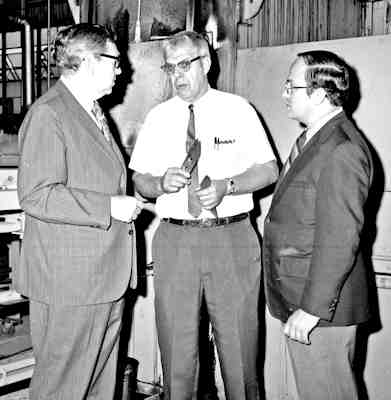
Central National Bank president of St. Johns, Harold Wellman, (left) and Central National Bank vice-president, Robert Thompson, (right) talk to Bill Bissett, Federal-Mogul’s heat treat operations manager.

Bill came to the St. Johns plant along with all of Mentor, Ohio plant’s steel parts business after Federal-Mogul closed the Ohio plant.

The move failed because there wasn’t much money in steel parts because of lack of secondary operations which added to the price of the part. Eventually the steel parts business disappeared from the St. Johns plant.

Central National Bank did a series of tours of the locally located factories and we’ll have more photos.


Random Notes – A lifetime of service is legacy of Bill Richards

by Rhonda Dedyne

It’s impossible to know how many people Bill Richards helped during a lifetime of service that involved a wide range of organizations across Clinton County and beyond its boundary lines. His passing August 17 leaves a void – but not really.

richards2All those people Bill aided over the past decades are continuing to build up the structures he helped create: Community Resource Volunteers, Clinton Transit, Clinton County Arts Council and on and on and on. They are giving his words of encouragement, smiling his smile and emulating his always helping hands – the circle keeps going.

A story that published on Indy in March of 2015 came to mind yesterday when Guven Witteveen emailed the news of Bill’s death. I recalled his reaction at the surprise open house that was organized by friends and associates to recognize and honor his years of community service – to say he was surprised is an understatement.

We reprint that story here knowing that in all of the months that have passed since March 2015, not a day went by that Bill didn’t continue to positively impact the lives of people from all walks of life. We say with the Gospel writer, “Well done, good and faithful servant . . . enter into the joy of thy Lord.”

Rest in Peace.

******

When Bill Richards walked into his surprise open house last Saturday, I happened to be standing by the meeting room doorway at Agro-Culture Liquid engaged in conversation with Guven Witteveen. It’s a safe bet that Bill knew something was afoot – a full parking lot and commotion in the Liquid foyer no doubt tipped him off. Still, it was obvious he was totally surprised by the number of people who were standing and applauding in the room when he entered.

As the bankcard commercial slogan goes, the look on Bill’s face was “priceless.”

Guven’s photos, video and commentary of the event that are part of this week’s St. Johns Indy capture the emotions of Bill and his many admirers more accurately than words can portray. Still, a writer must write – which means I’d like to offer a few additional comments about a true community servant whom I’ve had the pleasure of working with and writing about for so many years.

Actually, to be honest, this is the first time I’ve ever written about Bill himself. The story ideas he would contact me about always centered on programs or initiatives and the people who were participating and learning new skills. In St. Johns, that meant a visit to whatever Community Resource Volunteers office Bill was occupying at the time. Usually the visits involved talking with and taking photos of young people who were immersed in projects and activities, quite often hands-on lessons that made science come alive. They were having fun learning – as simple as that.

Those vivid memories from times past flashed in my mind during a presentation of cards and letters from fifth-grade students to their mentor and friend. The comments of this current generation of Bill’s science kids truly demonstrated that the students are still having fun learning – and so is their teacher.

The same spirit was evident in a tribute given by individuals who have an equally special place in Bill’s heart and soul – the fine individuals from Peckham Inc. It’s safe to say that the non-profit organization which today is one of the largest vocational community rehabilitation programs in Michigan would not exist without Bill’s passion for all people – no one has limitations in Bill’s world where anything isn’t just possible, it’s doable. There were more than a few teary eyes – and even more smiles – when they displayed their gift: a pair of large, framed photo montages showing Bill with Peckham students, workers, staff and volunteers.

As Guven noted in his commentary, it’s entirely possible that Bill has touched the lives of 6 million people – at least – through his many and varied interactions: CRV, Peckham, Clinton Transit and its forerunner the CRV Blue Bus fleet, Michigan Ski for Light, Higgins Lake retreats, Clinton County Arts Council, Kiwanis and Rotary International, St. Johns Public School Board of Education, St. Johns Area Chamber of Commerce Bill Patton Award winner, CAPIT Unity Award. The list goes on and on – and, thankfully, it’s still growing.

It’s impossible to know what future lives remain to be touched by Bill – through all of us – in new programs, community service projects and educational opportunities.

Thanks, Mr. Richards.


Letters – Reader has questions about the Sugar Bowl

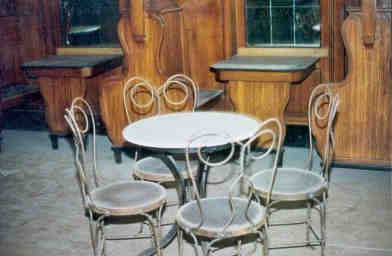
Nearly 20 years ago my husband and I had occasion to be in St Johns. We found the “main street” charming and took a walk down it.

We came across a storefront which looked to have been a candy or ice cream parlor from the turn of the century. A counter, display cases and table and chairs were left seemingly as they would have been over 100 years ago. It was absolutely beautiful. We were curious about the place but as we lived out state we never did find out what it was or what had become of it.

Upon learning that my niece will soon be taking a position that is located in St Johns, it revived our memory of that quaint place.

Does anyone in your organization have an idea what this place was, what it was called or what became of it?

sugarbowl

Features

This week’s Mystery Photo

Where is this?

mystery277

Can you tell us where this is located? Drop us a line at mail@sjindy.com.

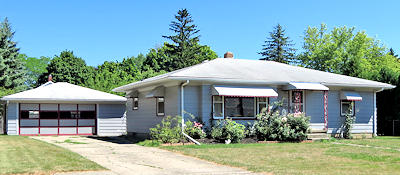
206 N. Ottawa St.

mystery276

The current owners are George and Dora Sakalas. Previous owners include Scott Mailand, M. Reynolds and S. McPherson, and Michelle Reynolds and Schueller. The Richard Foster family lived there in the 1960s.


A Look Back – Commercial Recreation Softball League

by Barry Bauer

bball

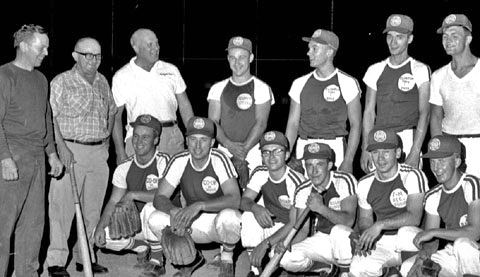
Without a cutline I have to assume these are ball players from a Commercial Recreation Softball League sometime in the 1960s. The players are wearing names of their team sponsors such as Schmitt Electric, Clinton Tool & Engr, Co-op St. Johns, Road House, Osgood, and F-M Rec Fund.

Identified standing left to right: unidentified, Mike Hatta, unidentified, ? Paksi, Morris Sharick, Jerry Sharick, and unidentified.

Squatting left to right: Denny Morrison, unidentified, unidentified, Jim Graham, Bob Paksi, and unidentified.


Benny and Jessie’s Pet Info – How to Exercise with Your Dog

Though it may seem like your four-legged friend loves nothing more than to nap on the couch, dogs need regular exercise to stay healthy just like people do. From long evening walks to a daily game of fetch, starting a fitness routine with your pup — combined with feeding them a well-balanced, nutritious diet — will keep them happy and healthy for years to come.

Benefits of Exercise

Similar to people, one of the main health risks associated with a lack of exercise in dogs is obesity, says Susan O’Bell, DVM at the Angell Animal Medical Center in Boston. Dr. O’Bell also notes that dogs that go without regular exercise may be prone to a variety of behavioral issues, including destructive behaviors like barking, digging or chewing. Aside from preventing these issues, providing your dog with regular exercise supports healthy aging by easing chronic symptoms and allows them to be social and explore their environment.

“Many dog owners report that their dogs seem to be better behaved when they receive adequate daily exercise,” according to Dr. O’Bell. “Additionally, at least one study has shown that dogs who have hip dysplasia show less lameness if they have longer duration of exercise throughout the day.”

When to Start Exercising Your Dog

While it’s important to have your dog exercise throughout his or her life, you’ll want to keep in mind their life stage and fitness level before starting an exercise routine. Puppies under the age of three months, for example, should have off-leash time on soft surfaces such as grass or carpeting; stairs, meanwhile, should only be used sparingly. In fact, Dr. O’Bell points out that retrospective studies have shown use of stairs by puppies at this age may be a risk factor for future development of hip dysplasia in certain breeds. She also recommends saving long runs with your pup until they’re a bit older — between 10 and 12 months of age — to ensure their growth plates have closed.

Finding the Right Exercise Routine for Your Dog

The best kind and amount of exercise for dogs will vary greatly, depending on the dog’s age, breed, and physical condition. Consult a veterinarian to devise the safest routine for your dog, especially with senior dogs, overweight dogs, or brachycephalic dog breeds like English Bulldogs, which are prone to overheating — particularly in warm weather.

There is, however, one type of exercise that both you and your dog can benefit from immediately: multiple walks outdoors every day. “Unless a veterinarian has told you otherwise,” Dr. O’Bell says, “pet owners shouldn’t underestimate the power of briskly paced walks throughout the day.”

Additional forms of daily activity can include swimming, a game of fetch and mental exercise such as food puzzles or basic obedience training. Agility training and competitive events can also be beneficial forms of exercise, but only if you’ve done your homework. “Owners should take time to educate themselves on what agility or other dog sports entail,” says Dr. O’Bell. “…and should participate in gradual training programs, as one would with any sport.”

Lastly, coordinate with a veterinarian on a balanced diet that is appropriate for the exercise routine your dog is about to undertake. This will help boost your dog’s energy level and, if weight loss is also a goal, assist in shedding the excess fat. Now get out there and start exercising with your dog.


Letters – Thanks to Greenbush residents

A heartfelt Thank-You to the residents of Greenbush Township who supported and voted for positive change in our Township. Your vote will not go unnoticed; and we the new board, Lee Thelen, Ramona Smith, Denise Roof, Kyle Graham and Larry Kindal are looking forward to representing you, our residents, in good faith and loyalty along with a great bond of friendship. Many thanks again.

Greenbush Township Board


Maralyn’s Pet Corner – Best Ways to Give Your Cat Medicine

Medicating a cat is sometimes one of the most challenging tasks a cat owner must face. But with a little advance preparation, it doesn’t have to be difficult.

Before you attempt to medicate your cat, get all your supplies together. Have the medication handy, along with a treat to make the experience more pleasant for your cat, and a towel for wrapping your cat if necessary.

To give a liquid medication, place your cat on a flat surface, facing away from you with his hindquarters against your body. You should already have the medication drawn up into a dosing syringe. Use your free hand to tilt your cat’s head up slightly. Place the tip of syringe in the back corner of your cat’s mouth, squirting the medication in the space between the cheek and gums. Be sure to reward your cat with a favorite treat afterward.

To give a pill or capsule, hold your cat in the same position you would to give a liquid. Using one hand, steady your cat’s head and tilt it slightly upward. Grasp the pill or capsule between your thumb and forefinger of the opposite hand. Use your middle finger to open your cat’s mouth and slide the pill down the center of the tongue to the back of the mouth, getting the pill as far back into their mouth as possible. It may also be helpful for less cooperative cats, to firmly hold your cat’s scruff while administering the pill.

Alternatively, you can use a pill gun or pill popper (a device used to hold the pill or capsule and place it in the mouth), again placing the medication on the tongue at the back of your cat’s mouth. Continue to hold your cat’s head in a slightly tilted position with the mouth closed until you see your cat swallow. Follow the pilling procedure with a treat for your cat.

If your cat struggles and attempts to scratch, wrap a thick towel around your cat’s neck and front legs to protect yourself from your cat’s claws.

If medicating your cat is difficult, you may try hiding your cat’s medication in food. Liquid medication can be mixed in with wet food or with gravy or tuna juice. Check with your veterinarian first though, to be sure that this will not affect the efficacy of the medication.

For pills or capsules, you can purchase pill pockets which can be used to hide a pill or capsule inside. The pill pocket with the medication inside is then offered as a treat. Alternatively, you can try making your own pill pocket by wrapping the pill or capsule in a bit of cheese or inside of a ball of canned food. However, many cats will simply nibble around the medication, rather than actually taking the medication. If your cat does this, you will need to either manually medicate your cat or find another alternative.

In many situations, there may be other alternatives available. Many medications can be compounded, producing a liquid with a pleasant flavor. This allows cats that are either unwilling or unable to take medication other ways, to still get their medication. There are special compounding pharmacies that can do this if your veterinarian is unable to formulate the flavored medication in the hospital.

Some medications are also available as a transdermal gel, or can be compounded into one. This special medicated gel is able to be absorbed through the skin rather than requiring oral administration. Typically, these medications are applied to the inside of the tip of the ear. Methimazole, a medication frequently used to treat hyperthyroidism in cats, is frequently dosed as a transdermal gel.

Transdermal patches are another alternative that may be an option with some medications. These are patches with medication embedded in them that are affixed directly to the skin. The medication is then released from the patch through the skin in a time-released manner. Fentanyl, a potent pain reliever, is often dosed as a patch.

Unfortunately, not all medications lend themselves well to transdermal applications. However, your veterinarian will be able to help you choose a medication delivery system that is manageable for you and can also demonstrate how to go about medicating your cat.

Mint Festival 2016 – Special Section

Weekend Schedule

Friday, August 12
Main Pavilion
4:00 – 5:00 pm Spur of the Moment
Performance Shell
6:00 – 7:00 pm Mint City Singers, www.clintoncountyarts.com/mint-city-singers/

Saturday, August 13

Main Pavilion
2:00 – 3:00 pm Vinyard Productions, www.vineyardproduction.info
Performance Shell
1:00 – 2:00 pm DeWitt Community Band, www.dewittconcertband.org
3:00 – 5:00 pm Coolidge, www.facebook.com/coolidgeband/
6:30 – 7:30 pm Amanda Kari, www.facebook.com, Amanda-Kari-Music

County Fairgrounds
1:30 – 2:30 pm Children’s Ballet Theatre, www.cbtdance.org
2:30 – 3:30 pm Cardio Drumming Demonstration

Sunday, August 14

Performance Shell
10:00 – 11:00 am David Perez, www.davidperez.tmgartist.com
11:00 am – 12:00 pm Ronald Harkrader, www.ronhark.com
12:00 – 1:00 pm Chris Hayle, www.chrishaylemusic.com
1:00 – 2:00 pm David Perez, www.davidperez.tmgartist.com
2:00 am – 3:00 pm Ronald Harkrader, www.ronhark.com
3:00 – 4:00 pm Chris Hayle, www.chrishaylemusic.com

County Fairgrounds
1:30 – 2:30 pm Children’s Ballet Theatre, www.cbtdance.org
2:30 – 3:30 pm Cardio Drumming Demonstration


“Summer Fun” Pageant Kicks off 32nd Annual St. Johns Mint Festival

missmint

On Tuesday, August 9 festivities for the 32nd Annual St. Johns Mint Festival will begin with the Mint Pageant at the St. Johns High School. The pageant will start at 7:30 p.m. with general seating tickets $8.50 each. Tickets are available at the Chamber of Commerce office and if any seats are remaining they will be for sale at the door Tuesday at 6:30 p.m. Contestants participating this year include:

For Little Miss Mint:
Sarah Bovee, 10; Alexandria Gunnell, 8; Rian Kirby, 9; Alivia McClung, 10; Alexia Munger, 9 and Lindsey Palmer, 9.

For Junior Miss Mint:
Gabriella Gunnell, 12; Isabella Gunnell, 14; Audrey Rademacher, 13; Abbie Sage, 12; Mallory Smith, 14 and Maddy Welch, 14.

For Mint Queen:
Brooke Bauer, 17; Delaney Fedewa, 18; Gabriella Sible, 17, Alyssa Thompson, 17 and Catherine Voisin, 18.

Former Mint Queens
1936 Mrs. Eloise Harris
1985 Becky Irrer
1986 Cheryl Rademacher
1987 Denise Egres
1988 Janice Rademacher
1989 Elizabeth Baker
1990 Jennifer Brown
1991 Deanna Webb
1992 Natalie Bishop
1993 Carrie Rosekrans
1994 Heather Knight
1995 Kimberly Brock
1996 Kimberly Woodhams
1997 Missy Werbish
1998 Denise Dietrich
1999 Emmie Sanborn
2000 Kelly Thompson
2001 Elizabeth Turner
2002 Melissa Curtis
2003 Jamie Ackerman
2004 Shimea Purchase
2005 Amy Perez
2006 Amanda Davis
2007 Kaitlyn Love
2008 Sabrina Hebeler
2009 Felicia Medina
2010 Megan Ruestman
2011 Paige Burnash
2012 Alexa Ruestman
2013 Alyssa Mee
2014 Cassandra Rapelje
2015 Audrey deAlmeida

Former Junior Miss Mints
2005 Megan Ruestman
2006 Kelsey McBride
2007 Ally Turner
2008 Alexa Ruestman
2009 Alyssa Mee
2010 Olivia Bouck
2011 Alissa Longoria
2012 Brittney Thompson
2013 Alyssa Thompson
2014 Madisyn Kotowicz
2015 Becca Bovee

Former Little Miss Mints
1994 Erika McKeachie
1995 Carrie Longoria
1996 Nicole George
1997 Nikki White
1998 Kathleen Thiede
1999 Brianna Harden
2000 Alisha Stephens
2001 Trisha Bellgowan
2002 Emily Havens
2003 Jenna Veith
2004 Kelci Hollis
2005 Alyssa Mee
2006 Avery Guild
2007 Sarah Ward
2008 Cassie Rapelje
2009 Brooke Bauer
2010 Aariyanna Koernke
2011 Madisyn Kotowicz
2012 Shelby Heinlen
2013 Audrey Rademacher
2014 Gabriella Gunnell
2015 Katie Rozen


2016 Grand Marshals

k13d

Being front and center isn’t a priority for Dennis and Pat Koenigsknecht, so helping lead the St. Johns Mint Festival Parade that begins at 10 a.m., Saturday, August 13, definitely takes them out of their comfort zone.

Working behind the scenes as volunteers in a wide range of community organizations and service projects is more their style, and a key reason why the well-liked couple is being honored as the 2016 Mint Festival Grand Marshals.

“Both Pat and Dennis have been amazing volunteers for many years, giving countless hours of service in so many areas,” St. Johns Mint Festival General Chairperson Brenda Terpening says. There’s no way to document how many lives the duo has touched in a half-century of volunteering that began when they were 4-H’ers, working on club activities and at the Clinton County 4-H Fair – which is where they met. Pat’s talents in sewing and as a seamstress initially aided youth in the Knit ‘n Stitch 4-H Club, expanding over the years to the leadership she still provides today for clubs across the county.

Although they may not know it, Mint Festival royalty has also benefited from her skilled hands. Pat has embroidered all the sashes for the Mint Queen and Court beginning with the early years of the Festival in the mid-1980s , and “fixing dresses” for the young ladies at the annual Mint Pageant. “Pat is always there to help us,” Terpening says.

As an electrician, Dennis has also been “fixing” things for an equal amount of time at the Mint Festival and elsewhere. Installing temporary electrical outlets and lines that deliver power to all the Minty activities – food vendors, crafters, and entertainment. It’s a major undertaking each year and imperative to insure the safety of Festival guests. The former owner of CandK Electric who is “semi-retired” also helps bring power to an assortment of other community events.

“Dennis is the volunteer electrician for many organizations,” Terpening says, citing the Clinton County Chamber of Commerce, Clinton County Senior Center, Clinton County 4-H and St. Johns Knights of Columbus as examples. “He is a man of all trades – a fixer of anything.”Dennis’ work on behalf of area organizations and his volunteer spirit was recognized in 2007 when he received the Chamber’s coveted Bill Patton Award, and as the 2013 CC Chamber Community Volunteer Award winner.

Honors like those and their selection as Mint Festival Grand Marshals are appreciated by the couple who will celebrate an important milestone on October 8, their 50th wedding anniversary. Their four children and 12 grandchildren began the festivities at a recent get-together when they assembled from Michigan and three other states.

“We have a wide range of ages, from a MSU graduate to a first-grader this fall,” Pat says with a smile.

No doubt, grandma is helping teach some of them the art of sewing which is part of her daily routine. In addition to all her volunteer efforts, Pat’s in-home business that is aptly called “PS the Final Touch” provides a very personal embroidery touch and sewing style to everything from blue jeans to bridal gowns. She enjoys the interaction with people from the around the area, as does Dennis. Along with doing “odd job” electrical work for homes and businesses, his friendly and helpful demeanor is an asset at Keck-Coleman Funeral Home where he greets people attending visitations and helps at services.

“Dennis and Pat are a wonderful example for all of us to follow, and we are pleased to honor them as the 2016 Mint Festival Grand Marshals,” Terpening says.

Past Grand Marshals

1985 Robert Halsey and Lawrence Yallup
1986 Alden Livingston
1987 Frank Sipkovsky
1988 Louis Sipkovsky
1989 Esther Crosby
1990 Peter Kurncz, Sr.
1991 Otto and Donna Kus
1992 J.E. Crosby, Jr.
1993 Richard Woodhams
1994 Larry Crosby
1995 Tom Irrer
1996 Peter Kurncz, Jr.
1997 Larry Kus
1998 Jerry Henning
1999 All Past Grand Marshals Honored
2000 Paul and Joann Martis
2001 Jim Crosby
2002 Doug Irrer
2003 John Kurncz
2004 All Past Grand Marshals Honored
2005 Shirley Huguelet and Ed Martis
2007 Art Motz
2008 Mark Crosby
2009 All Past Grand Marshals Honored
2010 Andy Todosciuk
2011 Mayor Dana Beaman
2012 Dean, Leo and Paul Henning
2013 Walter Viges
2014 Karl and Heather Hanover
2015 Bill Richards


Why have an annual festival?

More than 34 years ago several people involved with the Chamber of Commerce decided the city needed something special in the summer that would showcase our community. Because mint was always an important agricultural product grown here, they determined it would be a great idea to call it the St. Johns Mint Festival to celebrate that heritage. Because of a lot of hard work and dedication of many volunteers the first Mint Festival was held in August of 1985. At each of the festivals through the years visitors have been able to get Mint Information, purchase mint products and in earlier years actually visit a mint farm. And, we have been able to showcase our community, hoping that if attendees make a move someday they will consider St. Johns.

But, there is so much more to the Mint Festival including economic benefits. Each year thousands of dollars have been made by businesses, school groups and non-profits during the weekend. Many businesses say it’s their busiest weekend of the year and the 20-25 school and non-profit groups that participate annually have the opportunity to showcase their services and conduct fundraisers by having booths on the festival grounds.

Of course you can’t forget to consider the “FUN” aspect of the festival. There is something for everyone in the family weather it’s .25 games for kids, shopping for moms and dads, sports tournaments for the competitors and the many other fun things to see and do like the quilt show, carnival, car show, cooking contest, community wide garage sales and of course the hours and hours of free entertainment.

Just like 34 years ago when that first group of volunteers got together, a committee of volunteers still plans the annual festival. It’s not always easy and it takes hours of their time, but in the end the goals are still the same – honor our mint heritage, showcase our community to thousands of visitors and give businesses, schools, non-profit groups and others the opportunity to participate. We are tremendously proud of the festival and everyone that works to make it happen.

We hope everyone will take the time to visit the Mint Festival and invite your family and friends to do the same.

Brenda Terpening
Festival General Chair

The 2016 Mint Festival Steering Committee (Chairs / Co-Chairs)
General Chair, Publicity and Sponsorship Brenda Terpening
Festival Secretary and Volunteers Liz Pearson
Chocolate Mint Pudding Eating Contest Heather Scranton
Communications Steve Bassette / Jason Clark
Bocce Ball Doug Witt / Debbie Cornell / Kathy Logan
Entertainment Pat Fox-Paseka
Environmental Jim Manzullo / Ken Kinsey
Food Arlinda Shattuck / Jodi Parker
Ice Cream Chris Svoboda
Kids World Karen Terpening / Sharon Rademacher
Mint Cooking Contests and Demo Arlinda Shattuck / Jodi Parker
Mint Festival Pageant Allie Salfate / Jean Ruestman
Mint Office Emily Kendall / Heather Scranton
Parade Heidi Scranton / Kaitlen Rooks
Parking and Shuttles Lee Langlois / Jeff Zampaloni
Photo Contest Dave Tompkins / Donna Marek
Quilt Show Pat Fox-Paseka / Dolores Tompkins
Senior Citizen Day Missy San Miguel / Alicia Barnum
Souvenirs Darlene Terpening / Nicole Clark
Treasurer Denise Uribe / Nicole Wieber


Notes

Quilt Show In Smith Hall
Dozens of new and old quilts will be on display in Smith Hall on the County Fairgrounds during the festival weekend. Some are hand stitched and some are machine quilted, but they are all creative and very beautiful. Quilts displayed at previous festivals have been made by men, women and children of all ages and the festival expects a beautiful show again this year. Included with each quilt will be a brief description of the quilt – you will see that many of them have been a labor of love. One of the quilts that will be on display is made from old Mint Festival t-shirts. While at the Quilt Show don’t forget to vote for your favorite one. A “People’s Choice” winner will be determined from all the votes received. Also included in the show is a Quilt Challenge of wall hangings (50″ x 60″ or smaller) where the theme is “Sunshine and Summer Smiles”.

Grand Mint Parade Route
The Grand Mint Parade will step off on Saturday, August 13 at 10:00 am. The theme for this year’s parade is “Summer Fun”. Line up for the parade is at Oakview South Elementary School off Townsend Road. The parade will proceed north on Clinton Avenue, west on Oak Street, north on Lansing Street, east on Sturgis Street, north on Oakland Street, west on M21 and then north on Clinton Avenue. Noted as one of Mid-Michigan’s largest parades, thousands will line the sidewalks and lawns to view the beautiful entries. The Grand Mint Parade is sponsored by Jackson National Life.

The festival committee reminds everyone that safety is most important, so we ask that children and adults alike stay on or behind the curbs. There will be many walkers throughout the parade that will approach you with candy or other items. DO NOT run into the street to pick up candy. An approaching vehicle or horse may not be able to stop in time.

Arts and Craft Show
Over 100 Arts and Craft booths will be in the St. Johns City Park for the weekend. Vendors will be selling everything from homemade quilts and pictures, wood furniture and paintings to jewelry and pottery, candles and dolls and much, much more. You will also have the opportunity to get homemade dips and sauces, bakery items, jerky, fudge and other candies from the vendors. The Arts and Crafts area is located in the tree-lined City Park and is open Friday, August 12 from 2:00 – 8:00 pm, Saturday, August 13 from 10:00 am – 7:00 pm and Sunday, August 14 from 10:00 am – 5:00 pm.

Flea Market Finds
You’ll find just about everything in the flea market from sheets and sunglasses to lawn decorations, hats, clothes, toys and more. We invite you to visit this unique shopping area located in the city park on the north end. You will definitely find some great buys. The Flea Market vendors will be open the same hours as the Arts and Crafts.

Daily Drawing for $50 Gas Cards
Every time you spend $20 or more at an arts and crafts booth, flea market booth or commercial booth, you can enter a drawing to win a $50 gas card. All participating vendors will have entry forms. The gas cards are the committees’ way of saying thank you for supporting our vendors. If the vendor doesn’t remember to give you an entry – just ask for one!

Community Wide Garage Sales
The festival spirit spreads throughout the town with Community Wide Garage Sales during the Mint Festival weekend. Every garage sale registered with the Mint Festival office will be included on a list and map that will be available at the Chamber of Commerce office and the Information Booth at the festival. Each garage sale will also have a supply of lists/maps on hand for distribution. Each location will have their own street signage directing you to their sale.

Free Entertainment: Performers and Venues
There are many exciting entertainers to watch throughout the weekend at several locations and it’s all free to you. The “Performance Shell” and “Main Pavilion” are located at the north end of the city park just south of Park Street. The third venue is located on the county fairgrounds east of the food vendors. Our Main Stage sponsor is McLaren Health Plan.

Carnival
Maple Leaf Amusements, a carnival company from Breckenridge, Michigan will be bringing a carnival to the festival. The carnival will include rides, games and food wagons. This company is getting rave reviews at festivals they have participated in over the last five years. The carnival will be open all hours of the festival. Special pricing, including wristbands will be available. The carnival will be located on the ball diamond off Sickles Street, just before you enter the county fairgrounds.

Kids World
Kids World is a place where kids can go throughout the weekend to play games and win prizes. Tickets will only be .25 each and the games will cost between 1 and 4 tickets each. Peck Hall on the County Fairgrounds will be transformed into a wonderland for children where the main goal will be to just have fun. Some of the games include a bean bag toss, ring toss, dart board, sucker tree and Plinko. Winners of the games will have the opportunity to trade tickets for great prizes. So bring a few bucks for the kids so they can have a great time at the festival. Kids World will be open all hours of the festival and kids of all ages are invited to come and have fun. Kids World is sponsored by Michigan’s Credit Unions.

Sidewalk Chart Art Competition
Kids, adults and teams are invited to participate in the 1st Annual Sidewalk Chalk Art Competition. The location of the competition will be in the Swine Barn on the County Fairgrounds. Artwork must be completed on Friday, August 12 between 5-8 p.m. and it must fit into a space no larger than 8’X8′. Artwork will be judged by festival attendees throughout the weekend with the winner being announced Sunday afternoon. The Festival Committee reserves the right to photograph artwork and display photos on their website. Also, any submissions having publicly unacceptable subject matter, in the judgement of the Mint Festival Committee, may be rejected and removed.

Body Bubble Bump
Get ready to have a blast once you get strapped into a bouncy hamster type inflatable ball. You will have a hard time not laughing as you bump into opponents, do rolls and flips. The Bubble Balls will be located in the grassy area between Smith Hall and Peck Hall on the County Fairgrounds. Come and check out this new addition to the festival.

Kiddie Train Rides, Ferris Wheel and Ring Ding the Clown
Mason Railtime Adventures will once again be offering train rides to young children. The Zamperla El Paso Train can hold up to 26 youngsters at a time. They will be set up in the grass on the county fairgrounds just north of Peck Hall. Youngsters can play the Ring Ding the Clown game and ride a kiddie Ferris Wheel that will be located in the same area.

Pony Rides
Earls Pony Rides have been with the festival almost since its inception. Kids can have a safe supervised experience on a gentle pony. Bring the camera to get that cute picture to email to family and friends.

Golf on the Go
An 18-hole miniature golf course will be set up in the park behind the Arts and Craft vendors just south of the Fantasy Forest Playground. Come and spend a fun time with the whole family. The course is in a nice shaded area.

New Vehicle Show
If you are interested in buying a new car, or just like to window shop you can do it all at the Festival. There will be over 70 cars and trucks on display from Sundance, Pauli Ford and Bees Motors. The vehicles will be on display on the street south of where the new Spray Park is located in the City Park. Stop by and make a list of all the cars you want to test drive the week after the festival.

Photo Contest
During Mint Festival weekend photos entered into our Photo Contest will be displayed in Smith Hall on the county fairgrounds (where the Quilt Show is located). Festival goers will vote for their favorites in several categories. Photo winners will have their photograph on the Mint Festival webpage for the next year and their photograph will be displayed at the Chamber office for one year.

Mint Cooking Contest
Come and check out all the baked and cooked creations in the Mint Cooking contest. The contest judging and viewing will take place in Smith Hall on the County Fairgrounds Saturday, August 13. Judging will begin at 3:00 pm and viewing will be open to the public until 5:00 pm.

Mint Cooking Demonstration
After the Mint Cooking Contest there will be a Mint Cooking Demonstration at 4:00 in Smith Hall. If you are a Food Network fan then this is something you won’t want to miss.

Senior Citizens Day
Senior Citizens have a special time set aside just for them during the festival. On Friday, August 12 in the Main Pavilion in the City Park from 2-5 pm seniors will be able to play bingo, get health checks, enter for door prizes, enjoy complimentary refreshments and listen to some great entertainment. The first 150 seniors attending Senior Citizens Day will receive a goodie bag filled with various items. Senior Citizen Day is made possible in part by sponsorship from the Clinton County Senior Center and Walmart. Since the Clinton County Senior Center is a major sponsor of the day, all members of the Senior Center that attend will get entered into a drawing to win a prize valued at $75.

Peppermint Patty Plop
The St. Johns Kiwanis Club 707 will host their infamous “Peppermint Patty Plop” on Sunday, August 14 at 2:00 pm. Come and watch Elsie the Cow roam the arena until she “plops” to determine the winner of their raffle. Tickets are $5 each and can be purchased from a member of the Kiwanis group, or at their booth in the commercial/non-profit vendor area of the park until 12:00 p.m. $2300 in prizes will be awarded, including $1,000 for the grand prize winner.

Mint Festival Down at the Depot
The “Mint Festival Down at the Depot” celebration will be on Friday and Saturday, August 12 and August 13 in the Rotary Park Pavilion and on the Train Depot lawn at 107 E. Railroad Street in Downtown St. Johns, Michigan. A Beer Tent will be open each evening from 7 pm to 12 am with live music. On Saturday, August 13 from 2-6 pm the Mint City USA Classic Car Show will be on Railroad Street. Entertainment each night includes Soulstice on Friday night and The Squids Band on Saturday night.

Other Downtown Events
Briggs Public Library will be hosting a used book sale at the library in downtown St. Johns during all hours of the festival. The library is located on the corner of Spring and Railroad Street – enter through the back door off Spring Street. The Clinton County Arts Council, Paine Gillam Scott Museum and the Railroad Museum will all be open at various hours throughout the weekend.

Museum open for Mint Festival – August 13 and 14

While attending the Mint Festival this year, plan to visit the Paine-Gillam-Scott House, Swegles General Store and Carriage House, west of the Clinton County Courthouse on Maple Street.

The featured exhibit on agriculture includes Mint Farming in Clinton County with photos of early mint stills and newspaper articles from 1930’s and 40’s along with a display of farming photographs from many Clinton County residents, who either grew up or had ancestors who lived on a farm.

museum

The Carriage House on the Museum grounds contains a model of a mint still, an old manure spreader converted to a mint planter and tools used for processing mint. The Swegles General Store has mint along with many other spices used in cooking and canning.

Recent acquisitions in the Paine-Gillam-Scott House include an old Victrola in the library and a cook stove in the kitchen, plus many displays have been updated with different items from the collections.

Plan to visit the Museum complex during the Mint Festival weekend August 13 and 14 from 1 to 4 pm.

For further information, contact the Museum at PGSMuseum@hotmail.com, call 989-224-2894 or 989-292-9096. Or visit the website at PGSmuseum.com.

Special Memorial Tribute
As a special tribute to honor Veterans of War, the Mount Rest Cemetery will be flying over 565 flags that measure 5 feet by 9.5 feet each on Saturday, August 13 of the Mint Festival weekend. These United States memorial flags will line the roadway of the cemetery and are donated by family members in memory of their loved ones. This drive is not only beautiful but will make you proud to be an American. These flags are flown on most military holidays from 8:00 am until 7:00 pm and several other dates throughout the year. The flags are put up and down by many local veterans and community volunteers. The Mount Rest Cemetery flies more memorial flags than the National Cemetery of Michigan or the Fort Custer National Cemetery.

Sports Tournaments
The City of St. Johns Parks and Recreation Department will host two sports tournaments on Saturday and Sunday of the festival weekend. Everyone is welcome to come and watch all the action. All of the tournaments will be double elimination tournaments. Kickball will be played on the main field in the St. Johns City Park and 3-on-3 Baskeball will be played on the City Park Basketball Courts off Park Street. Kickball will have co-ed teams and the 3-on-3 will have separate men’s and women’s adult teams and separate boy’s and girl’s junior teams.

Good Things To Eat
You can’t leave the festival without trying some great foods. The festival will have everything from roasted almonds and fresh cut French Fries to walking tacos, donuts, pizza, kettle korn, gyro’s, steak sandwiches, and much much more. And to round out your day, don’t forget to get your bowl of MINT Chocolate Chip Ice Cream. The Mint Festival Committee will be selling the Country Fresh Ice for $2 per bowl or $1 for an Ice Cream sandwich. Their booth will be located at the north end of the City Park, in front of the Performance Shell.

Mint Products, Festival Souvenirs and Mint Information
Don’t forget to get some mint products or mint souvenirs to remember your visit to the festival. The Souvenir booth is located in the south section of the Arts and Crafts area just before you get to the county fairgrounds. Several “MINT” items will be available including Hanover’s chocolate mints that simply melt in your mouth, hard mints, mint chocolate fudge, Livingston’s mint oils, mint soaps, candles, coffee and mint plants. Other items available include mugs, tote bags, t-shirts, piggy banks, shot glasses, candy dishes, coasters, socks and more. New items this year include a new souvenir t-shirt, coffee mug, cowbell, fanny pack, Frisbee and kids maracas. If you want something to remember “St. Johns” by, check out the St. Johns mug, key chain, tote bag, postcards or a lapel pin. These and other items can also be purchased at any time at the Chamber of Commerce office at 1013 S US 27 in St. Johns. While at the Souvenir Booth you can also pick up information about the uses of mint, the history of mint in our area and other mint information. Mint information will also be available at the Information Booth, which is located east of the county fairgrounds on Sickels street.

First Aid and Emergencies
The First Aid Station, provided by Clinton Area Ambulance Service will be located on the drive separating the city park and county fairgrounds. Emergency personnel will be on hand during festival hours. The City of St. Johns Police will also be on the festival grounds throughout the weekend to handle any emergencies. The police booth is located on the north end of the city park by the Performance Shell.

General Information
Portable restrooms will be located throughout the park and county fairgrounds, many being handicapped accessible. Permanent facilities are also available in the city restrooms across from the Main pavilion at the north end of the park and near the northwest corner of the football field and in the county restrooms at the south end of the county fairgrounds.

No Pets, Rollerblades, Bikes Or Alcohol will be allowed in the festival area. The only exception to this rule is service dogs will be allowed if you have the appropriate paperwork with you. These rules and regulations are for the safety of everyone and will be monitored and enforced by the St. Johns City Police Department and members of the St. Johns Mint Festival Steering Committee.

Parking and Shuttles
Paid parking areas are located in the high school and middle school parking lots. You can access the lots off Sickles Street or off Townsend Road. The St. Johns High School Athletic Department and Band Boosters will be onsite to direct parking at all the lots. A $3 fee will be charged. Sixty percent of all fees collected will go to the two school groups. The handicap parking area will be in the northwest corner of the high school parking lot – enter off Sickles street and you will be directed to the barricaded area. Golf cart shuttles will be on hand to assist getting the elderly and handicapped individuals back and forth to the park.

What to do in case of a weather advisory while at the festival
In the event the National Weather Service issues a Severe Thunderstorm or Tornado Warning during the hours of the festival, festival attendees may proceed to one of the following shelters:

– St. Johns High School – individuals will be on hand to direct you.
– Smith Hall – located on the south side of the Arts and Crafts area just east of the food court.

Once inside one of the above buildings, proceed to the most inside wall available.


2016 St. Johns Mint Festival Survey

Be sure to download and return this survey to give your personal take on the Mint Festival. Download it here.


2016 Mint Festival Sponsors

minthThe Mint Festival would not be possible without the generous support of the many sponsors involved. Weather it’s someone donating spoons for the Ice Cream, a family donating the use of their RV or a business making a financial contribution to help pay for festival expenses, our special thanks go out to everyone involved.

Parade Sponsor: Jackson National Life

Radio Sponsor: Clinton County Central Dispatch

Main Stage Sponsor: McLaren Health Plan

Ice Cream Sponsor: Sparrow Clinton Hospital

Senior Citizen Day Sponsor: Clinton County Senior Center and Walmart

Kids World Sponsor: Michigan’s Credit Unions

Pageant Sponsors: Baker College and Sundance

33 1/3 Street Sound
AgroLiquid
Alissa’s Dance Elite
American Inn and Suites
American Rentals
Applebee’s
Arby’s
Autumn Ridge Apartments
Avery Eye Care Center
Steve and Sharon Bassette
BeautiControl, Krista Hallead
Bee’s Motors
Bee’s Sports
Big Boy of St. Johns
Burger King
Butler Financial
CandK Electric
Capital Equipment
The Cellular Connection
Steven W. Charchut, DMD, MS
City of St. Johns; Police and DPW crews
Clinton Area Ambulance Service
Clinton Area Care Center
Clinton Area Fire and Rescue
Clinton County 4-H Board and MSU Extension
Clinton County Arts Council
Clinton County Board of Commissioners, Administration and Maintenance
Clinton County Economic Alliance
Clinton County Farm Bureau
Clinton County Meals on Wheels
Clinton County Medical Center
Clinton Ophthalmology, PC
Community Christian Church
Culligan Water Conditioning, Lansing
Dart Company
Dershey’s Cafe
Dewey’s Trading Post
Edward Jones Investments, Gary Lenneman
The Emerald at Maple Creek
Feldpausch Agency, Farm Bureau Insurance
Ferrall’s Tree Trimming and Removal
FirstMerit Bank
First Baptist Church
First Congregational Church
First United Methodist Church
Gentner Family Dentistry
George Enterprises
Geri’s Threads
Grace Haven Assisted Living
Granger
Great Lakes Caring
Green Stone Farm Credit Services
Hanover’s Inc
Harr’s Jewelry Inc
Howe’s Greenhouse
Hub Tire Center
Hungry Howies Pizza
Innovative Polymers, Inc
Iryshe Photography
Jackson, Jackson and Hayes, PC, Attorney’s at Law
Jet Speed Printing
Journey Federal Credit Union
Keck Coleman Funeral Home
Kingsley Insurance Group
Knights of Columbus of St. Johns
Dennis and Pat Koenigsknecht
Koenigsknecht Dentistry
Kramer’s Bar and Grill
Krogers
LAFCU
Lansing Community College
Lansing Sanitary Supply
Lansing State Journal
Laurels of Carson City and Fulton
Les Miller and Sons Aggregates, Inc.
Lewis Communications
Livingston Farms
Mahle Engine Components
Main Street Café
Main Street Pizza
Mancino’s Pizza and Grinders
Maple Rapids Lumber Mill, Inc.
Martin-Brower
McDonald’s of St. Johns
Mckenzie Crosby Insurance Agency
McLaren Health Plan
Meijer – DeWitt
Mercantile Bank
Michigan Graphics and Signs
Michigan Milk Producers Association
Michigan Veneer
Midstate Title Agency
MSU Federal Credit Union.
New Look Computer and Data
Pauli Ford
Tom and Liz Pearson
Physicians Health Plan of Mid-Michigan
Pilgrim United Methodist Church
Postal Connections
Quest Software
Marty and Suzette Reich
Rotary Club of St. Johns
Ryan’s Roadhouse
Shannon Schlegel, Attorney at Law
Heidi Scranton
Self Serve Lumber
Simplified Tax
Sirrine and Associates, Inc.
Smith Family Funeral Home
Smith Lawnscapes
Smith Oil and Propane
Sparrow Medical Supplies
Spicer Group
St. Johns Animal Clinic
St. Johns EZ Mart and The Blarney Castle Family of Stones
St. Johns Lutheran Church
St. Johns Public Schools, Athletic Department and Band Boosters
St. Joseph Catholic Church
Subway
TSC (Tractor Supply)
Brenda Terpening
Two Men and A Truck
Uncle Johns Cider Mill
US 27 Motor Sports
WLNS TV6
Walgreens
Waugh’s Culligan
Weichert Realtors Property Mart
Welcome Home Assisted Living, Inc.
Wendy’s
Wentworth Insurance Agency
Woodbury’s Flower Shop
Youngs of Owosso
Z92 The Castle


Mint

mint

Just say the word and cool, refreshing images come to mind; frosty glasses of lemonade garnished with curly sprigs of spearmint; the clean, chilling taste of a mint candy cane. Even chewing gum, mouthwash and toothpaste companies use images of crisp, clean snowy slopes to let us know how refreshing their mint flavored products are. Peppermint is the king of all mints. The potent taste of the leaves (very strong menthol) takes your breath away. Peppermint is the mint that is most often used commercially in liqueurs, toothpastes, soaps and mouthwashes because of its strong, pure qualities. In medicines, it is used not only as a pleasant flavoring, but also because it contains healing properties as well. Mint has been known as both a seasoning and a medicine for centuries.

Growing mint is a simple proposition; it is keeping it from taking over the garden that takes work. Given medium rich, moist soil and shade to dappled sunlight, mint will thrive and soon form a lush, thick carpet. Keep it cut back, especially once it begins to bloom, otherwise it will become invasive. If you plant a stolon of mint in the ground, the first year you wonder what all the fuss is about. The second year you find a few stray sprouts and by the third year it is climbing in the bedroom window. Mint will grow 20 feet under weedblock and come out the other side and with no water in mid summer. Mint spreads by runners and by seed. Those sprouts that shoot up from the broadcasted seed will probably not be the same as the parent they came from. They will probably smell rank and taste worse.

Plant your mint in pots where you can control it. Keep your eye on the pots too: mint can crack clay pots and escape into the neighboring area. Unless you want mint everywhere, grub out all those pesky runners that find their way into the soil as soon as possible. Don’t put more than one kind of mint in a pot. If you mix your different kinds of mints in the same pot, either one mint will smother the rest or they will get so mixed up, it will be difficult to tell them apart.

Mint likes full sun and lots of water. If you put your mint in the shade it will grow floppy and the flavor will not be as strong as when you grow it in the sun. Mint likes almost any garden soil. It enjoys a damp location and rich soil. Mint planted outdoors should be mulched heavily to protect against frost. Mint is a perennial herb and when grown in pots, needs to be divided every year.

When you cut Mint, cut all the way back to the ground. When an herb is flowering, it is not making lots of nice leaves to cook with. Shear your mint to the ground in the fall and it will emerge shining and ready for use in the spring.

When harvesting mint leaves, cut back alternate plants so you always have small tender leaves available. The peppermints or red mints are very strong flavored and should be dried before using or used sparingly if fresh.


Mint Trivia

Ø Most of the mint grown in the St. Johns area is of the native spearmint variety, although some Scotch spearmint and some peppermint is also grown.

Ø Michigan ranks fourth in making spearmint oil.

Ø It takes four tons of mint plants to produce 25 pounds of oil, and a pound of oil can flavor 135,000 sticks of gum.
Ø Mint is planted in late April and early May, then bunched and dried in July or August. The oil is extracted through a steam distillation process.

Ø The peppermint and spearmint industry originated in England and spread to the United States in the late 18th century. Mint was introduced into the United States in colonial times and was first grown in Massachusetts.

Ø The soils and climate of southern Michigan and northern Indiana are so well suited to mint culture that these regions became the major mint producing areas of the United States by about 1920.

Ø Mint requires great amounts of water during the growing season but does not tolerate waterlogged soils.

Ø Mint is cut and windrowed in much the same fashion as alfalfa hay, allowed to cure (24-36 hours), picked up, chopped and blown into the distilling tub.

Ø Average oil yields per acre for peppermint and spearmint fall in the 30-35 lbs. per acre range.

Ø Heavy rains after the mint has been cut and is drying in the field can actually wash oil from the foliage, causing loss in yield.

Ø Black muck soil is found where rivers and lakes were once found, and where the old river and lakebeds formed rich deposits of soil.

Ø Peppermint is used for making menthol, for flavoring and in medicine.

Ø Spearmint oil is used chiefly for flavoring chewing gum.


Mint in the Kitchen

Mint has numerous applications in the kitchen, being used all over the world as flavoring, as well as key ingredients to foods and drinks. Peppermint sprigs can be added to drinks and fruit dishes as a garnish. It also makes a refreshing tea. Peppermint makes an excellent flavoring for ice cream, chocolates and other deserts.

Hints for using mint in the kitchen:

Spice up your vegetables: Put mint in water used to steam vegetables.
Mint tea: To make peppermint tea, use 1 to 2 teaspoons of dried peppermint leaves per cup of boiling water. Steep for 10 minutes.
– Minty potatoes: Mix chopped mint with butter for boiled new potatoes.
– Minty rice: Toss whole mint leaves in cooked rice before serving.
– Mint ice cubes: Freeze whole mint leaves in ice cubes for tea or lemonade.
– Minty salad dressing: Make salad dressing with mint, lemon juice, vinegar and light oil.
– Spice up your tuna: Chop spearmint and mix with olive oil and use as a marinade for fresh tuna. Marinate 30 minutes, grill.


Mint Oil Uses

§ Peppermint oil can help relax the muscles of the digestive tract to relieve the symptoms of irritable bowel syndrome.
§ One drop of peppermint oil on a sugar cube or in tea may help relieve intestinal gas or cramps.

§ Peppermint is very useful in reducing sinus congestion when added to a bowl of steaming water. A rub may be applied to chest, back of neck area and behind ears.

§ For rubs: mix 2 parts mint oil to any carrier oil such as sweet almond oil, vegetable oil or lotion.

§ Peppermint may ease headaches and migraines. Apply a rub to temple area in circular motion and across the forehead. For migraines: wet hair, put 4-5 drops into your hand and massage into the scalp.

§ Peppermint oil is soothing to sore muscles when added to a hot bath or massage directly into the muscles in a carrier lotion. Hot bath: mix 4 drops to sea salt or carrier oil. The carrier oil or sea salt will help disperse the oil through the water for an even effect.

§ Peppermint oil applied full strength, or mixed with a carrier oil, may relieve swollen feet and may reduce and assist in healing blisters, cuts and athletes foot by killing bacteria.

§ Peppermint is an excellent mild antiseptic for cuts and bee stings. Use a cotton swab, dip in oil and apply to affected area. This can reduce itching and swelling.

§ Use peppermint to soothe arthritis pain. Mix 4-5 drops of oil into 1 ounce of lotion and massage into joints.

§ For staying awake and alert, apply mint oil to tip of each nostril and temple area.

§ To relieve a sore throat, dip a cotton swab into oil and apply to the back of the tongue area.

§ To relieve abdominal pains or menstrual cramps: Add 1-2 drops of peppermint oil to a sugar cube or 8 ounce glass of water and drink.

§ For a cool feeling during hot, muggy days, add 2-3 drops of peppermint oil to 2 teaspoons sea salt and add to a warm bath.

§ Peppermint oil can dry oily skin and acne. Add peppermint oil to body wash, soap or apply by cotton swab directly to pimple or boil every 2 hours or as needed.

§ Add peppermint oil to your shaving cream; 1-2 drops in shaving lotion may reduce skin irritation and produce a closer shave.

§ Mint oil can increase energy and aid in reducing depression when used as aromatherapy.

§ Add 1-2 drops of peppermint oil to 1/2-1 ounce skin lotion; apply to cheekbone area to reduce swollen eyes in the morning.

§ Mix 10-15 drops of mint oil with 1/2 teaspoon vegetable oil and 12 ounces of water. Pour in a bottle with a spray pump.
Spray in air ducts and around the house to kill bacteria and deodorize the room.

§ Adding mint oil to your humidifier can kill bacteria.

§ After showering, massage 1-2 drops of oil into your scalp. The scent creates a soothing and calming effect. Mint oil stimulates blood supply to hair follicles and promotes healing of skin abrasions on the scalp. Oil usually oxidizes in 45 minutes.

§ For beekeepers, marking hives with mint oil may assist bees returning to hives.

§ Mint oil added to animal shampoo is a natural flea and tick repellent. Note: All mint oils should be kept away from eyes.

Keep all oils out of reach of children
Pregnant women should consult a physician before using
Avoid all contact with eyes
Some people may be allergic to mint oil
This information is in no way intended as a substitute for medical counseling.
Anyone suffering from any disease, illness or injury should consult a health care professional.


Features

Most Holy Trinity Church Festival

with an album by Maralyn Fink

On Sunday afternoon I decided to visit the Most Holy Trinity Festival in Fowler and seek out some of my relatives. The festival was in full swing, and it is one I look forward to every year.

It was a nice day and and I went about looking at everything. I stopped at the “Fancy Booth” and played my quarters one after another to win a prize.

Well, I did win three times and walked away with some nice prizes. A lot of the things are handmade by the women of the parish who put a lot of time into it. A nice young man, Ryan Schueller, was in charge of making change for the quarters and kept me well supplied.

There were plenty of things for the kids to do and bingo as well for the grown-ups. In the Activities Center there was a full menu of food and tables set up for seating. My favorite was the home made dessert room where you can purchase any thing you could want. What did I buy, you ask – Peanut Butter Cookies because I was going to need something for the road.

A big thank you to all of the people at the Parish for putting on a great festival every year. It is much appreciated by everyone who attends.

See you next year,
Maralyn@sjindy.com


This week’s Mystery Photo

Where is this?

mystery276

Can you tell us where this is located? Drop us a line at mail@sjindy.com.

605 E. McConnell

mystery275

The current owners are Kathy and Ronald Patterson.


A Look Back – Sealed Power Open House in 1968

by Barry Clark Bauer

Over 800 persons toured the St. Johns plant of Sealed Power Corp. last Thursday evening as the local division observed its 20th anniversary here. Guided and semi-guided tours of the plant were featured, capped with refreshments.

The 20th anniversary celebration is actually a misnomer. The 20th anniversary actually came two years ago, but the plant was in the midst of a huge expansion program and the official observance was delayed.

Lawrence G. Sexton, plant manager, expressed the company’s gratitude for the fine turnout and interest in the local plant.

Bates bore operator, Kenneth Cramer, explains the functions of the huge Sealed Power Corp. equipment to visitors touring the St. Johns plant last Thursday evening during an open house in observance of the firm’s 20th anniversary in St. Johns. The Bates bore turns the inside diameter of the piston-rings the firm makes, and this is about the half-way stage of the ring through the processing at St. Johns.

sealedp5

Lawrence Sexton left, plant manager of the St. Johns Division of Sealed Power Corp., chats with officials of the company during last Thursday evening’s open house observing the 20th anniversary of the plant in St. Johns. With Sexton are Warren Carter, vice-president for manufacturing;
Paul C. Johnson; chairman of the board of directors; and William Oliver, vice-president for industrial relations.

Sealed Power manufactures piston rings, pistons, cylinder sleeves and other related parts for the original equipment and replacement trades in the automotive field. Its annual sales are approximately $50 million.

The St. Johns Division of Sealed Power is devoted exclusively to the manufacture of piston rings, primarily for the larger engine builders of the country. The major share of the production here is shipped to General Motors, Ford, and Chrysler.

Since its establishment here, Sealed Power employment has increased from 35 to 232, and payrolls have increased 20-fold. The plant has had three major expansions, the last of which increased capacity by 75 per cent when completed in 1967.

Management personnel of the St. Johns division include Sexton as plant manager, Emil Flermoen as superintendent, Robert “Bob” Gill as personnel supervisor, Hugh Wallace as production and office supervisor, Charles Coletta as manufacturing engineer, Herman Bosma as plant engineer, Elston Hicks as maintenance foreman, Richard Wilson as process engineer, William Aldrich as tooling engineer, Stanley Smith as Inspection supervisor, Donald Messer as industrial engineer and Charles Rasdale as steel press engineer. Machine shop foremen include Dale Baker, Walter Baxter, Arden (Jack) Birdsley, John Fedewa, Charles Olson, Edgar Prowant, Stan Plaza and Roman Rademacher.

Sealed Power went through a couple of name changes; first they became Dana and currently is known as Mahle.


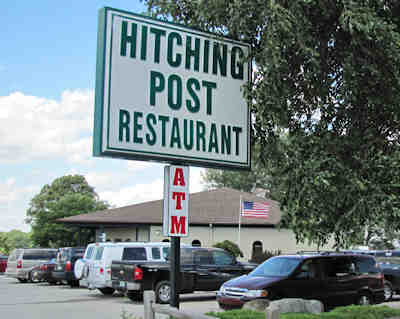
Random Notes – Hitching Post Restaurant to close August 10

By Rhonda Dedyne

When the Hitching Post Restaurant closes its doors on August 10, owner Shirley Henning says it will be “a day like every other day here – no special farewell celebration.” That may be true, but odds are good there will be a few tears shed along with lots of happy laughter as memories are exchanged from the past 53 years that Shirley and her family have operated the business on BR-127, a few miles north of St. Johns.

hitching3

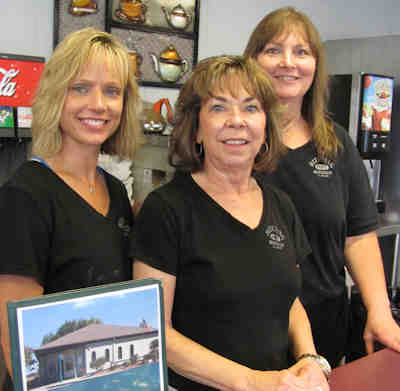
There’s no way of knowing how many satisfied customers have enjoyed the restaurant’s good food and conversation over the years, although Hitching Post “regulars” like Wanda Lockwood and Dixie Lee Kosloski believe it must be “many, many thousand.”

“Everybody knows the Hitching Post as a welcoming place where the food is great, the wait-staff is the best and the coffee is always on,” Lockwood says with a laugh while Kosloski smiles in agreement as they enjoy a cup of afternoon java with regulars and groups of travelers headed to or from Michigan’s “Up North” on family vacations.

Those vacationers will miss the Hitching Post as much as area residents. A multi-generational family from Detroit is a prime example. The group was saddened to learn this would be the final time the restaurant would be part of their vacation itinerary, Henning says. “They’ve been stopping to eat for years and the grandfather wanted to have the family’s picture taken when they were here recently so we did that for them.”

Travelers on the major north-south highway have been part of the Hitching Post’s history for more than a century. The original building was located slightly north and closer to the highway. That was torn down and the existing building was constructed in 1994 after Henning purchased the business from her father in 1981. “My dad, Richard Clandening, bought the business in 1963,” Henning says about her father who relocated to the St. Johns area from Fowlerville. “I was 12 years old when he and I moved here, so I’ve basically grown up in the business.”

The Hitching Post’s reputation revolves around a family-friendly menu where omelets and skillet meals are served all day, not just for breakfast. “Those are certainly among the favorites of our customers. I have no idea how many thousands of omelets and skillets we’ve served total,” Henning says.

Ditto for the number of people that have been employed there over the years. “We’ve been fortunate to have so many great people working here – some for more than 20 years – and I will truly miss them,” the owner says, citing one person as being particularly important. “My daughter, Melissa, grew up in the business like I did, and I’m so thankful for her help. It’s been special working with her.”

hitching1
Shirley Henning and two members of the Hitching Post “family,” Robin Sample and Kristal Davis, are getting ready to say farewell to a St. Johns area restaurant landmark.

Henning’s employment of area residents and positive impact on the overall area has not gone unnoticed by Hitching Post patrons like Kosloski. “Shirley has done a lot for many people – she’s the best.”

Henning returns the compliment, thanking customers for their support and patronage. Still, after being on call seven days a week for all those years she’s ready for the next stage in life. “My husband Mike and I will probably travel a bit, but we don’t know for sure exactly what we will do. It will be a change for sure. We will miss our customers and our employees. We are like a family here.”


Letters – World War ll Memorial at City Park and thanks from District Library and SJPD

Has anyone else noticed that the World War ll Veteran’s Memorial that is just east of the spray park appears to be in need of some care. The area surrounding the memorial is vacant of any flowers (and the memorial is in need of a proper cleaning). There are flowers placed throughout the park areas (around the pavilion, the band shell etc.) but not around the memorial.

Although we have the downtown memorial, this original one holds special meaning in remembrance of our World War ll Veterans. Let’s not let it go!

Can we get a group together to take care of this in remembrance of what they did for our country and the world?

Judy Williams

******

Thank you to our patrons and the St. Johns community for your support!

The passage of this millage allows us to continue to serve you, while we plan for exciting changes in the future.

A special “thank you!” to the Briggs District Library staff, Library Board, and the YES Briggs Library committee for their hard work and dedication over the course of this campaign.

Briggs District Library Board

******

The St. Johns Police Department would like to thank the following local businesses and service groups for their generosity in donating toward National Night Out. We could not do it without their help!

– The St. Johns Kiwanis Club who cooked over the hot grills and also served the hotdogs and corn.
– The St. Johns Rotary Club who ran the kids games and inflatables.
– The St. Johns Lions Club who served the ice cream sandwiches.
– Big Boy Restaurant
– McDonalds of St. Johns
– Kroger of St. Johns
– Andy T’s Farm Market
– Planet X Inflatables
– Kombat Tag
– Harry Verellen /Bubble Soccer
– Sound Cruise DJ – Ed Hafner
– Sharon Shutes and Sara Koenigsknecht for the face painting
– Louis Longoria
– Martin Brower
– Olympian Tool
– RSI Home Improvement
– Mercantile Bank
– The Wheel Inn
– Journey Federal Credit Union
– The Sunshine Center
– Keck Coleman Funeral Home
– Bee’s Chevrolet for the use of a truck
– Kurt’s Appliance for the use of a freezer
– Burt Rentals for the use of tables
– Ralph Bailey/American Rentals for the porta-johns
– Jesse Ballard for the drone photos
– Maple Rapids Cub Scout Pack 519
– Clinton Area Ambulance Service
– St. Johns Fire Department
– St. Johns Department of Public Works


Maralyn’s Pet Corner
– Breed of the Week

The Doberman Pinscher is a dog breed first developed in Germany as a guard dog. Once known to be aggressive, the Doberman’s temperament has improved through tactful breeding over the years and is now considered a reliable family pet.
Physical Characteristics

doberman

The Doberman’s powerful, muscular, compact, and square-proportioned build gives it speed, elegance, strength, and endurance. Its posture is alert and proud, while its gait is fast and loose. The accepted colors for the breed include black, red, blue, and fawn — a light yellowish brown. And its rust-colored markings are found above each eye, on the muzzle, throat and forechest, below the tail, and on all four legs and feet. The Doberman also sports a smooth, short coat with neat lines and a white patch on its chest.
Personality and Temperament

This adventurous and loyal companion is a talented and obedient pupil, always ready for a mental challenge. Though it’s usually sensitive and responsive to its owner’s commands, the Doberman can be dominating and overbearing. The breed is also shy with strangers, while aggressive towards strange dogs. A Doberman’s alertness and protection ability, however, are often the qualities sought after by dog fanciers.
Care

The Doberman requires mental and physical exertion daily or it may become destructive or frustrated. This need can be easily met with a walk on a leash, a run in an enclosed area, or a long jog. And while it can live outdoors in cool climate, the Doberman is most effective indoors as a guardian and a family companion. Its coat requires minimal care.
Health

The Doberman Pinscher has a lifespan of 10 to 12 years. Wobbler’s syndrome, cervical vertebral instability (CVI), and cardiomyopathy are some serious health problems affecting Dobermans; some minor diseases seen in this breed of dog include canine hip dysplasia (CHD), osteosarcoma, von Willebrand’s disease (vWD), demodicosis, and gastric torsion. Albinism, narcolepsy, hypothyroidism, and progressive retinal atrophy (PRA) are occasionally seen in Dobermans, while the Blue Doberman is more prone to hair loss. To identify some of these issues, a veterinarian may run cardiac, eye, hip, and DNA tests.

History and Background

Louis Dobermann, a German tax collector, is credited for the creation of the Doberman Pinscher. In search of a watchful guard dog to accompany him during his rounds, Dobermann developed the Doberman Pinscher in the late 19th century by crossing the old German shorthaired shepherd and the German Pinscher. Later the Black and Tan Manchester Terrier, Weimaraner, and Greyhound were also crossbred.

The original Dobermans had round heads and heavy boned bodies, but breeders soon developed a more robust-looking dog. Over time, the breed evolved remarkably and by 1899, the National Dobermann Pinscher Club, the first club for the new breed, was created in Germany.

After attracting much fame, the first Doberman was introduced to the United States in 1908. The Doberman was used as a guard dog, police dog and even as a war dog, all qualities that eventually made it a favorite as a family protector. Its chiseled outline also made the Doberman a popular show dog.

A new challenge for the breed would arise in the 1970s — the emergence of the albinistic white Doberman. With this albino gene came a wide range of serious health conditions. In an effort to remedy this problem, the Doberman Pinscher Club of America convinced the American Kennel Club to tag the registration numbers of dogs susceptible to the albino gene with the letter “Z.”

In 1977, the Doberman became the second most popular breed in the United States. Since then, the breed has kept its well-regarded status as both a guard dog and a family pet.

Features

A visit to Whimsical Party Gallery

by Maralyn Fink

Opening on July 7th, with 2 paint parties, owner Tracie Davis offers step by step painting to people of all ages.
Spray Park tiles can be painted here, and Tracie is right there to help in any way.

She also does public and private parties.

I met up with some eager painters while I was there, and their names are Jordon Grove, Gabriel Gibat, Jack Daman, Charlie Daman and Nathaniel Gibat. All were seated at a table to paint a tile with excitement in their eyes.

On September 17th Tracie will change the name to The Art Gallery. There are many paintings in the store that were all done by Tracie that are for sale.

Tracie has been painting all of her life and 7 years as a professional. She says it is her passion and just plain fun.

Stop in and see her paintings; there just might be one you have to have.

Thanks, Tracie for the interview and seeing your beautiful paintings.

Maralyn@sjindy.com


Oberstufenchor Johanneum zu Luebeck Day in the City of St. Johns

courtesy of Guven Witteveen

On the occasion of the 50th anniversary of the international youth exchange with Blue Lake Fine Arts Camp, on Tuesday the 26th of July -proclaimed the Oberstufenchor Johanneum zu Luebeck Day in the City of St. Johns, Michigan – the group performed sets of songs in English, as well as in German.

This opening to a gorgeous spiritual was one of the numbers, We Shall Walk in Peace.

youth choir 2016 – We Shall Walk in Peace from gp witteveen on Vimeo.

About one third of the young people braved the high temperatures Tuesday morning inside the 90 foot steel silo at Livingston Farms to enjoy the rare acoustic space.

german1

Here is a sample of the singing from memory in the morning before their concert in the park, Remember Me SATB – silo singing,

******

Wednesday evening in the Park

My Sweet Patootie, “What makes you think?”

and one other from the first set,

My Sweet Patootie, “Lead me now.” So much music from three players! This song was inspired by the annual float down a nearby river: people come out in Lake Huron at the town of Southampton and then the parties begin.


This week’s Mystery Photo

Where is this?

mystery275

Can you tell us where this is located? Drop us a line at mail@sjindy.com.

402 E. Buchanan St.

mystery274

The current owner is Stephan Geller. Previous owners include William Graef, Donald Gilson, David LaQuire, and John and Marlene Hopko.

Editor’s note: This house is half of the Nick Pappas home that was moved from 102 Spring Street in the 1950s to make way for the office building at the northeast corner of State Street at Spring.


A Look Back – 1912 North Ward Kindergarten

Barry Clark Bauer

northward1

This photo was taken at North Ward Elementary School in 1912. The students are identified but the pencil writings are very faint. I know my Uncle Ellsworth Gillson is one of the students.

– Tom Beechler

The chalkboard sign being held by one of the students looks like it says: St. Johns North Ward Kdgn.

The names on the back, as Tom describes, are illegible. A few do stand out, Dutch Eckert, Berthea Kasper, Harry Fields, Edith Fields, Helen Kasper, Glendon Fitzpatrick, Gaylord Corkins, Beatrice Heafty, and Ellsworth Gillson. Dutch Eckert was listed twice and I wonder if he was related to long time friend, Steve Eckert.

See whether you can read more of the names by clicking here.

northward2

The North Ward school building was replaced by Perrin Palmer which is also gone.


Random Notes – Summer means Tall Ships

by Rhonda Dedyne


Benny and Jessie’s Pet Info – How Air Fresheners Can Affect Your Pet’s Health

As parents and caregivers, one of the earliest lessons we learn is the concept of “baby-proofing”—keeping toxic substances and dangerous situations well out of the way of our children. As pet parents, we need to do the same. But unlike children, instead of this being a temporary obligation, it’s something we’ll need to do throughout the lives of our pets.

Unfortunately, some of the things we do to improve our environment, such as cleaning or using chemical air fresheners, can pose serious dangers to our animal friends, whether furry, feathered, or scaled.

So, do pet owners need to throw away their room sprays, plug-ins, candles, oils, and solids? That’s a question that’s not so easily answered. However, there are some ways to play it safe when using these products in the home.

“If we are putting some kind of chemical into the air merely to mask scents, then we have to be concerned about the negative implications on our pets,” says holistic veterinarian Dr. Patrick Mahaney of California.

Sadly, most forms of air fresheners, whether room and furniture sprays, solids, and even the seemingly safer alternative of scented candles can be very toxic to humans, and even more so to animals that might ingest the substances accidentally or not have the wherewithal to avoid them in the first place when they’re being used.

According to Dr. Mahaney, one of the main offenders in the ingredient list for most air fresheners are Volatile Organic Compounds (VOC). VOCs are organic chemicals that have a high vapor pressure at room temperature due to a low boiling point. This causes these compounds to easily evaporate from a solid or liquid form into the air. This transformation is called volatility. In other words, volatility is just what air fresheners are meant to do: break down from one form and dissipate into the air, thereby changing its scent.

Unfortunately, this is the same volatility that occurs in paints and varnishes, fossil fuels, benzene, formaldehyde, refrigerants, aerosol propulsion, cigarette smoke, and the dry cleaning process. You wouldn’t open a can of paint in your living room to improve the quality of the air, but this isn’t too far removed from what happens when you break out an air freshener.

These substances can cause a laundry list of maladies, like asthma and cancer, and can affect the blood, brain, heart, liver, kidneys, skin, and the respiratory and nervous systems of both people and their pets.

According to a study cited by LiveScience.com, a test of the top selling air fresheners and laundry detergents showed that these products released a litany of chemicals when used, and in all cases at least one of the chemicals was considered to be toxic.

For those who seek a more natural, non-toxic approach, in recent years, there has been a resurgence in the homeopathic movement—an alternative medicinal approach that uses substances from nature. On its face it seems reasonable enough; eschew the manufactured chemical and embrace what the earth has to offer.

For the air freshener industry, the latest “natural” catch phrase is “essential oils.” Despite this touchy-feely name, these products are by no means entirely safe. Essential oils are also defined as volatile, and while these substances are created from flowers, bark, berries, roots, seeds, and woods, and do have some potential medicinal and positive effects, they can still be very toxic to people and animals, even when they are used properly.

“Essential oils, which are included in many air freshener products, can be very toxic, especially to cats. If you simply have to have essential oils in the home, make sure they are kept in a location where your cats cannot come into direct contact with them,” says veterinarian Dr. Jennifer Coates of Ft. Collins, Colorado.

“Also, birds are more sensitive to potential airborne toxins than are other animals, so I generally recommend a ‘better safe than sorry’ approach with the use of air fresheners around them.”

When it comes to using these products around our pets, a little information is your best weapon of defense. “Read the instructions on the side of the bottle and be sure you are spraying the recommended amount,” says Dr. Mahaney. “When you walk into a room that’s been heavily sprayed with air freshener, what does it do to your eyes and lungs? If it’s doing that to you, it’s also going to do that to your pets.”

So, how do you know if the products you use around your home are relatively safe? Dr. Mahaney recommends doing some research on the ASPCA’s Poison Control Center Website. This resource covers all sorts of toxins that your pet might encounter, from air fresheners, cleaning products, human and pet medications, foods, plants, and other substances. In case of a poisoning emergency, there is a 24-hour hotline at (888) 426-4435, although a $65 consultation fee might be required.

Obviously, in the case of a true emergency, it is far more important to get your pet to a vet than just consult with one by telephone.

According to Dr. Mahaney, the signs and symptoms of the negative effects of air fresheners range from the immediate to a few hours or days after use. When you first use them, a pet might immediately withdraw from the area or cower. A pet might cough, sneeze, produce a nasal discharge, or suffer from vomiting, diarrhea, lethargy, or lack of appetite.

However, these dangers don’t come from the air alone; they can also be caused by contamination from where they fall, where a pet might step, roll, or lick, or from products such as carpet shampoos and cleaners that are specifically made for surfaces.

“If you’re going to spray something that’s going to leave an aroma, I suggest that you don’t give your pets access to it,” says Dr. Mahaney. “If you’re cleaning, you don’t want to leave a significant residue—they could walk across it on a carpet and potentially lick it off their paws.”

Ingesting an air freshener can be even more dangerous than simply breathing it in. Any long-term usage products, such as solid or plug-in air fresheners, need to be closely monitored, and extra care needs to be taken when you dispose of them. If your pet is inclined to go through the trash, you might want to dispose of spent air fresheners directly in an outside trash receptacle.

“If an animal ingests an air freshener, I worry primarily about its effect on the gastrointestinal system,” says Dr. Coates. “The active ingredients and/or the packaging could cause vomiting, diarrhea, etc.” And that is not confined to chemically scented products. “Essential oils can not only affect the GI tract, but they also are associated with neurological problems like agitation, weakness, unsteadiness, and tremors in dogs—and especially in cats.”

“Anything with a fibrous nature to it can cause digestive distress and may be absorbed through the small intestine and get into the blood,” says Dr. Mahaney. “Cats have had increased feline asthma as a result of living in households where there are air fresheners, incense and cigarette smoke—or even just the aroma of cleaning products.”

For expectant mothers, all possible care needs to be taken. Research has suggested that VOCs such as Toluene and Xylene can potentially cause childhood cancers, leukemia, and brain damage, so there’s no reason not to believe that this is also a risk to our pregnant pets. The proper usage of air fresheners and any potentially toxic stuff in them will ensure that future generations of our furry friends will be happy and healthy.

When it comes to 100% safe ways to clear the air, there are still a few alternatives in our modern world. Some types of potpourri (although these still need to be kept out of a pet’s reach so it is not ingested) can be a pretty safe bet, and you can create do it yourself home scents by boiling flowers, fruit rinds, and other natural organics. Or you could try the comfort trick real estate veterans have long used: Replace the funk with the smell of cookies, bread, or apple pie. Creating a sweet smelling home is as good an excuse as any to bake.

Are there any products that are safe for making the house smell nice while being safe for pets? Dr. Mahaney recommends the Glean+Green family of products. Clean+Green manufactures a wide array of products for pets, including air fresheners and fresheners for carpets, flooring, furniture, cars, and litter boxes—and even a de-skunking spray.

They also have products for homes with birds and other small animals, which tend to be more sensitive to chemicals than larger pets. The active ingredients in these products include sugar derivatives, botanical extracts, and hydrated cellulose, and may provide a safer alternative to conventional air fresheners. However, these products are pet-specific and may not be appropriate for use all around the home.

Still Dr. Mahaney wonders why pet owners need to resort to scented products at all. “Why are we freshening our air?” he asks. For a truly effective method of clearing the air, he says, proper ventilation is still king.

So can somebody just open a window in here?


Letters – Victor resident running in August 2 Primary

smithA Victor Township resident for 24 years, Kimberly Smith is employed by the Michigan Department of Transportation Bureau of Finance and Administration. She is an Accredited Election Official through the Michigan Department of State Bureau of Elections. Serving for 3+ years as Deputy Clerk for Victor Township Kim managed the office, cemeteries and facility as well serving as the township Election Chairperson and as Inspector for Victor and Ovid Townships. During this time Kim also assisted with operations of the treasurer, supervisor and assessors offices.

Kim is a certified PC Coordinator Specialist through Professional Technical Development in East Lansing and is an IRS Certified Tax Preparation Specialist through H & R Block. Kim also received a General Banking Diploma through the American Bankers Association.

Kim served as the coordinator of the Looking Glass Neighborhood Watch, Clinton County’s largest) group for 14 years providing urgent communications from Clinton County Sheriff and Bath Township Police Departments. Kim is the recipient of Clinton Co. Sheriff Award for quick action in a local farming accident resulting measures which saved a life.

Kim formerly served as Director of Operations for Happendance, a non-profit 501c3 performing arts school in Okemos, ensuring compliance with State Gaming Control Board in fund development activities. Kim served in many management roles and as Recording Secretary and Depositor for the Children’s Ballet Theatre of Michigan as an Executive Member of the Board of Directors.

An avid volunteer in the Laingsburg area, Kim for nearly a decade served as a Rolling Reader and Literary Tutor for At Risk Students as well as the parent led Picture Person Art Program for Laingsburg Schools, was an international certified Girl Scout Chaperone and a supporter of the Laingsburg Sports Boosters, Laingsburg Springtime Festival and Clinton Area Fire and Rescue Pancake Breakfast.

Kim is married to her husband Joel of 26 years and has two daughters, Carlie and Jessica Smith.

– Submitted by The Committee To Elect Kimberly Smith Victor Township Clerk


Maralyn’s Pet Corner – Good Dog, Bad Food: Foods for People That Are Bad for Your Dog

If you consider the family dog, well, family—and are apt to toss him a piece of your food now and then—proceed with caution. Some foods meant for human consumption can be dangerous, and even deadly, to your dog.

How are people and animals different when it comes to food?

According to Carmela Stamper, D.V.M., a veterinarian at the U.S. Food and Drug Administration (FDA), an animal’s body processes food much differently. “Our bodies may break down foods or other chemicals that a dog’s can’t tolerate,” she says.

And while sometimes people can have severe allergic reactions to foods, it’s different for dogs. “Allergies in animals tend to manifest themselves more in skin or ear issues,” she explains.

Moreover, a food might harm one dog and not another. It depends on a number of factors, including the animal’s genetic makeup and size, as well as the amount that animal eats. “A big lab that eats a bar of dark chocolate may not have any problems,” she says, whereas a Chihuahua could get dangerously ill.

What Foods Top the List?

“In summer, be particularly careful of foods eaten at picnics and barbecues,” Stamper says. Among the foods you want to withhold from your dog are:

Raw meat, which can contain E. coli, Salmonella, or other harmful bacteria. If you’re making hamburger patties or setting out steaks and chicken breasts for the barbecue, for instance, make sure they’re well out of reach of your counter-surfing canines; you’re not doing them any favors by tossing a chunk or two. “Food safety is important to you and your pet,” Stamper cautions. Don’t handle raw meat and then give your dog a treat unless you’ve washed your hands first. And remember it works the other way around, too. “People can get sick after handling contaminated dog food, not washing their hands, and then using their hands to eat a sandwich or a slice of pizza,” Stamper says.

Grapes, raisins, and currants can cause kidney failure in some dogs. Stamper says not all dogs are affected, but if you think you’re handing your dog a healthy snack, you could be disastrously wrong. But what about other fruits? For instance, can dogs eat apples and bananas? Stamper says yes—just make sure that with apples, you don’t feed your dog the core or seeds.

Fried and fatty foods can not only give your dog a stomach ache, but can also cause a potentially life-threatening disease called pancreatitis. Even if your dog is eyeing the fried chicken with longing, resist the temptation to give him his own piece to chew on.

Moldy foods are not something you would feed your family, and your dog shouldn’t eat them either. If you put moldy cheese rinds or hamburger buns in the trash can, make sure your dog doesn’t then get into the garbage. By the same token, if you have a compost heap and it’s the first place your dog makes a beeline for, be sure the moldy scraps are well out of reach.

Onions, garlic, and chives (as well as onion and garlic powder) can be harmful to your dog, especially in large amounts. If you’ve put a lot of onions and garlic powder in your salsa, marinade, or beans, don’t let your dog get into the leftovers.

Salty snacks, in large quantities, could also cause problems in your dog. “Feeding the odd potato chip or pretzel probably won’t do any harm,” Stamper says. But if your dog gets into a whole bag of them, he could get really sick. Make sure your dog has access to plenty of water at all times, especially if he gets into salty snacks.

Two More Ingredients Your Dog Should Avoid

Macadamia nuts can be very harmful to dogs. If you’re packing white chocolate chip macadamia nut cookies, make sure they stay in the picnic basket and out of reach of your dog.

Finally, many dog owners know chocolate is bad for their dogs, but they may not realize that xylitol, a sugar substitute used in many sugarless products, can be deadly for him. Xylitol is found in sugarless gum, candies, oral products, and some peanut butters and other nut butters. “If you feed your dog pills coated in peanut butter, or put peanut butter in their hollow chew toys, make sure to check the list of ingredients first to make sure it doesn’t contain xylitol,” Stamper says.

A Word about Cats

Why the focus on dogs? Stamper says that cats are far pickier eaters than dogs and do not often get into trouble by eating foods that will harm them. She adds however that cats are super-sensitive to onions, garlic, and onion and garlic powders, so make sure your cat has no opportunity to eat foods made with these ingredients.

This article appears on FDA’s Consumer Updates page, which features the latest on all FDA-regulated products.

2016 Clinton County 4-H & Youth Fair

4-H Fair Schedule

4h002Saturday, July 30th
10:00 am Dog Show

Sunday, July 31st
2:00 pm Equine Trail Class

Monday, August 1st
9:00 am Equine Show 9:00 am Poultry Show
11:00 am Prospect Beef Show 11:30 pm Service Club Lunch
5:00 pm Horse & Pony Fun Show 6:30 pm Sheep Show
7:00 pm Truck & Tractor Pull – Fairgrounds
7:30 pm 4-H Style Show – Fairgrounds Main Stage

Tuesday, August 2nd
8:30 am Goat Show
8:30 am Swine Show
9:00 am Equine Show
9:00 am Rabbit Show
11:30 am Llama Show
1:00 pm Equine Show
6:00 pm Beef Show
6:00 pm Antique Tractor Pull – Fairgrounds
7:00 pm Teen Dance With DJ – Fairgrounds Main Stage
7:00 pm Draft Horse Pull – Horse Arena

Wednesday, August 3rd
8:00 am Dairy Show
9:00 am Pocket Pets Show
9:00 am Equine Show
11:00 am Entry for Canine Hour of Fun 12:30 pm Canine Hour of Fun
4:00 pm Dog Agility Contest 4:00 pm Fair Livestock Sale – Livestock Pavilion

Thursday, August 4th
Kids Day
9:00 am Livestock Judging Contest
9:00 am Equine Show
9:00 am Verbal Communications
10:00 am Performing Arts Judging
10:00 am Young Farmers Scavenger Hunt
12:30 pm Tim Salisbury-Magician – Livestock Pavilion
1:30 pm Sweepstakes Showmanship
2:00 pm Pedal Pull Contest
6:00 pm Fair Awards Program
8:00 pm Buildings Close

4h

******

Bob Davis, President
Clinton County 4-H & Youth Fair Board

2015-2016 Fair Board of Directors
Gerrit Bancroft Bob Davis Jim McClelland
Derek Boyd Miriah Dershem Ann Selleck
Kaylee Butts Barb Falor William Selleck
Pam Butts Michelle Fedewa Zach Wagner
John Conklin Taylor Heinlen Madison Webster
Lee Cotton Josh Markel Doug Witt

For more information contact:

Contact Us
Corissa Harris—4-H Program Coordinator
989-224-5227, harri446@anr.msu.edu

Kathy Love—4-H Secretary
989-224-5242, lovek@clinton-county.org


Visit the Commodity Carnival

the much talked about Commodity Carnival booth – now in its fourth year – is made possible through a partnership between CME Group and the National 4-H Council.

An interactive, educational fair experience, the Commodity Carnival teaches young fairgoers about managing the risks and costs associated with producing and bringing animals to market. The booth will be at the Clinton County Fair from August 1– 4, and players can even take the latest “Risk Ranch” companion game home with them by downloading it to their mobile device.

Try it yourself! To see Risk Ranch in action, download the game for iOS or Android, or to find out more information, go to www.cmegroup.com/4Hcarnival. The app allows you to raise both a hog and a steer while learning about commodities, as well as track competition and high scores across the globe with a leaderboard.


What does 4-H offer?

– For kids, 4-H offers fun learning opportunities through 4-H clubs, afterschool programs, and local, state and international events.

– For older teens, 4-H offers opportunities to set goals, develop strategies to reach those goals, and take leadership for sharing their skills, knowledge and talents to make their communities stronger.

– For adults, 4-H offers research-based support and training in age-appropriate learning methods and materials to help plan activities and projects for young people in safe, nurturing environments.

Features

Class of 1976 40th Reunion

by Maralyn Fink

On Saturday evening I joined the Class of 76 at Bruno’s for their reunion. The event started at 6 pm and was in full force when I arrived a while later.

It was nice to see some of the members that I know I don’t see often.

Pizza and trimmings were on the food menu, so all bases were covered.

There were 45 class mates and/or spouses on hand as well.

Attending were:
Corinne (Lawrence) Trimbach
Natalie (Braman) Thelen
Lynette Crosby
Vicki (Mee) Price
Sally Wesner) Danneberger
Margarita(Rositas) McWilliams
Deb (Bebow) Badgett
Julie (Turini) Lehman
Sherri (Desprez) Falkenstein
Rhonda (Houska) Riebow
Bonnie (Britten) Gregory
Marcia Allen
Robin (Clark) Fifield
Martha (Rosner) Ryckman
Mary Rosner
Cindy (Gladstone) Moore
Kathy (Miller) Shannon
Nancy Rogers
Mary Ellen (Cardenas) Pertler
Dawn (Harr) Stratford
Michelle (LaBrie) Feindt
Dori (Kus Smith
Melody Keener
Rosa Soliz
Judy (Henning) Mills
Patty (Perry) Graves
Lori (Pouch) Verlinde
Debbie (Anderson) Knight
Roger Gregory
Bob Mills
Ryan Pertler
Jamie Teighert
Cheryl (Elliott) Fraizer
Frankie Rohrbach
Nick Koenigsknecht
Vincent Vitek
Tom Verlinde
Al Villarreal
Pete Kurncz
Dan Iacovoni
Steve Iacovoni
Jim Eaton
Steve Cochrun
Kurt Simon
Bob Pettigrew

Well, I guess I’ll have “one for the road” – Sprite that is.

Thanks, Corinne and the Class of 1976, for the pictures, fun and meeting all of you. It was great!

Maralyn@sjindy.com


This week’s Mystery Photo

Where is this?

mystery274

Can you tell us where this is located? Drop us a line at mail@sjindy.com.

207 S. Mead St.

mystery273

The current owners are John and Lynn Priester. Previous owners include: Arnold Wiles, Richard Raymond, Jon Berkhousen, Beth Hiatt, Todd Botwell, Scott and Renee McCausey, and Thomas and Dawn Flynn. In 1950 Austin Peck lived there.


A Look Back – An Art Display at Central National Bank

Barry Clark Bauer

artwork

In 1968 Mrs. Judy Bollard of Middleton visited the Friends of the Library Art Exhibit at the Central National Bank last week.

Paintings are: on first pole, “Lakeside” by Warren Anderson and “Daffodils” by Georgiana Kelly; on second pole, “Countryside” by Gladys Schueller, “Driftwood with Bottle” by Betty Penix and “Fruit Still Life” by Joan Ernst; on third pole, “Paysages d’Alsace” by William Morris and “Owl” by Romaine DeCamp. The large painting at right is “Quiet Sea” by Warren Anderson.


Benny and Jessie’s Pet Info – Chlorine in Pools: Is it Safe for Pets?

As temperatures rise and a hairy creature’s thoughts turn to summer swimming, owners across the country are asking themselves: is it ok for my pet to take a dip in the family pool? As pet owners become more educated and inquisitive about the effects of various chemical exposures in their pet’s day-to-day life, it’s natural for people to wonder if chlorine poisoning is possible in pets. Here’s what you need to know:

What is Chlorine and What Does Chlorine Do?

When added to water, chlorine breaks down into hypochlorous acid and hypochlorite ion. These chemicals oxidize microorganisms in water by breaking down the cell wall and destroying the structures inside. Without chlorine, pools quickly turn green or even black as algae and bacteria build up in the water.

Is Chlorine Toxic for Dogs and Cats?

Like many chemicals with the potential to be dangerous, the hazards of chlorine exposure are dose dependent. Pool water contains very dilute levels of chlorine, and is unlikely to cause chlorine poisoning in humans or animals. From a risk management standpoint, a pet is more likely to become ill from a dunk in a standing pool of water, or a lake filled with unknown microorganisms such as amoeba, than they are from swimming in a properly maintained pool full of chlorinated water.

Chlorine Tablets: Keeping Your Pets Safe

The biggest risk to both pets and people are related to handling the chlorine in its concentrated form before it is placed in the pool. Chlorine tablets should always be stored in their original containers and kept in a safe place inaccessible to pets and children. Chlorine gas can be dangerous if inhaled, and direct contact with undiluted chlorine can damage skin and eyes. It would be very unusual for a pet to ingest chlorine tablets as the scent is often unappealing to dogs and cats, but proper storage should eliminate the risk of chlorine poisoning entirely.

What Are the Risks of My Pet’s Exposure to Chlorinated Pool Water?

Drinking chlorinated water may cause minor GI irritation, but it should not cause serious issues for pets. Pets who love to gulp water as they paddle should be discouraged. Fortunately, most symptoms related to chlorine are minor. Pets who swim for long periods in chlorinated pool water may exhibit some signs of sensitivity, such as red eyes or itchy skin. Pools with high levels of chlorine may cause irritation to the airways due to the release of chlorine gas, particularly in poorly ventilated areas.

Pets who swim regularly may experience more frequent ear infections. While owners may wonder if this is related to chlorine exposure, recurrent infections are more likely related to damp ears than the chlorine itself. Your veterinarian can recommend a drying solution to use after swimming if your pet is prone to recurrent ear infections.

Are There Chlorine Alternatives For Pool Owners?

Bromine is the most common chlorine alternative for pool and spa use. A close cousin to chlorine, bromine has a less pungent odor and less prominent bleaching side effects. People who find chlorine irritating to their eyes or skin report that bromine is less likely to cause these symptoms. While people may prefer bromine because of these milder properties, it is more expensive than chlorine and also less stable when exposed to sunlight, which makes it a poor choice for outdoor pools. A pool care professional can guide you as to whether bromine is a good choice for your situation.

Other Pool Safety Risks for Pets

When it comes to swimming, the biggest health risk for any pet is drowning. Although people mistakenly assume a dog’s instinctive paddling behavior means all dogs are water-safe, dogs can panic, tire, and drown in any body of water, chlorinated or not. Owners should always supervise pets when swimming, which allows you to spot any minor problems before they become major ones, whether it’s a cough, exhaustion, or red eyes. With a little monitoring and attention to your pet’s behavior, there’s no reason you can’t all enjoy a nice summer dip.


Letters – District Library Vote

Times sure have changed. When we moved to St. Johns over 25 years ago, there were no online newspapers in Clinton County. With so many advances in online information, I ask, who needs a library anymore? On a device smaller than a paperback novel, we can carry around full length copies of a dozen literary classics along with all ten books on the New York Times current best seller list and yesterday’s copy of People Magazine. Through Google’s Cultural Institute we can get a backstage 360 degree tour of the Stratford Theater and a front row seat to Henry V. YouTube can show us how to solve quadratic equations and how to change the oil in our car.

briggs

Who needs a library anymore? In my opinion, the answer should be everyone. Because we have access to more information than ever before, one of the function of a modern library is to help us process that information. The library can help us decipher, translate and make sense of the deluge of information. It is a place where community can come together to exchange ideas and grow.

The founder of US Steel and philanthropist, Andrew Carnegie said, “A library outranks any other one thing a community can do to benefit its people. It is a never failing spring in the desert.”

Join me in voting YES for the Briggs District Library,

Kathi Weigold
Greenbush Township Resident


Maralyn’s Pet Corner – 5 Ways to Keep Your Indoor Cat Purring

Indoor cat or outdoor cat? When you bring home a cat or kitten, this is likely one of the first decisions you will have to make. Indoor cats are safer than their outdoor counterparts—research shows that outdoor cats generally have a lifespan of two years or less—but indoor cats require extra attention and entertainment to stave off potential boredom and keep their “call of the wild” instincts healthy and active.

As loving cat parents, the decision to keep them indoors is a smart one, but you have to take responsibility for their enrichment. To keep your cat happy, you’ll want to make sure that his needs are met. “I feel a troubling problem with indoor cats is that they get bored with their environment and they don’t get enough stimulation on a daily basis,” says Dr. Mark Howes, DVM, Owner and Medical Director of Berglund Animal Hospital in Evanston, Illinois.

Cats, he adds, are hunters and derive life satisfaction with the thrill of the hunt. Howes recommends environmental enrichment of indoor cats, suggesting some of his, as well as Dr. Tony Buffington’s Ohio State University research, tips for keeping your indoor cat purring:

#1. For the indoor cat anxious to get its claws dirty outside, a short stint in the wild may be the answer. Training cats to wear a harness and giving them some time out in the “wild” under a bush can satisfy some cats. For those resistant to a harness, a custom window seat may be enough to pacify a fidgety cat.

#2. Scheduling more playtime with cats can help relieve the stress of being indoors when they would rather be out hunting.

#3. Kitty condos that are a sufficient height and complexity gives cats vertical space to look down upon their territory.

#4. Placing food in a variety of places inside the home allows cats actually “hunt” for the food and can make the hunt more exciting than a normal dinnertime routine.

#5. Playing with cats with a laser pointer or “mouse” at the end of a fishing pole-like toy can get them mentally and physically stimulated.

Howes notes that outdoor cats (and those that go outside frequently) seem to be different creatures. “When I see them at my office, they often exude confidence and see the trip to the vet as only a slight inconvenience in their day,” he says. But on the flipside, Howes understands the dangers for a cat to be outside, especially in busy urban areas with a lot of car traffic. “I wish we could teach them to look both ways when they cross the street. That’s a topic for another day.”

Features

About those CASA Volunteers

by Kelly L. Schafer, M.S., Executive Director

Clinton County has amazing individuals who have chosen to serve as CASA Volunteer Advocates. It is a pleasure to support and work with these 9 who make a difference every day–and every day is not easy.

A quick glimpse of the impact made by these amazing volunteers.

– Visiting every 7 to 10 days to play outside, play board games, bake cookies together, have a picnic, color, and listen.

– Through each visit, Advocates learn about a to-do on behalf of their CASA kiddo, an issue that may need some attention and follow up with the appropriate person.

– Advocates report information specific to their child or sibling group, back to the court–information to assist the court in making permanency decisions in the best interests of the children.

One thing I am quick to jump on (honestly, it is a pet peeve of mine) is when I hear the Advocates say “I’m just a volunteer.” This could not be further from the truth. Everyday Advocates go above and beyond to work with community partners in the best interests of the children we serve. All children deserve a champion and today Clinton County has 9 who have chosen to be a champion–we look forward to when there enough CASA Advocates to serve every Clinton County child who is in foster care due to abuse or neglect.

It takes all of us to support Court Appointed Special Advocates who work on behalf of abused and neglected children.

Supporting the work of our CASA Volunteer Advocates is also generously done through financial support, participating in our events, donating in kind items, spreading the word, and staying informed. We are very appreciative for the generous support which allows Clinton County to have CASA Advocates.

If you would like more information about CASA Advocacy in Clinton County, we would be happy to speak with you. IF you would like to join our amazing CASA Volunteer Advocate Team, our next Advocate class is now forming–contact us today for more information.

We can be reached via e-mail clintoncountycasa@gmail.com or phone at 517-599-7145. We welcome you to visit our website ClintonCountyCASA.org for more information.

Our work is not easy–and it is never about “just” being a volunteer.


This week’s Mystery Photo

Where is this?

mystery273

Can you tell us where this is located? Drop us a line at mail@sjindy.com.

mystery272

Jonathan Pulling writes: This house is located at 809 North Clinton Avenue. I don’t have any idea who owns it or who has lived there.

Jan Bensinger added: This week’s house belongs to my sister-in-law and her husband, Pat and Bill Saurbek. They have lived there for a long time and raised 3 children there.

Barry adds: Previous owners include Howard Hackett, and Roy Briggs.


A Look Back
– Gamble Store

by Barry Clark Bauer

gamble

The Gamble Store at 108 N. Clinton Ave. I’m not sure when this was taken but can guess by the cars it was sometime in the 1930s. There’s garland wrapped around the light pole on the right which indicates this was around the Christmas holidays.

Ray Osborn was at one time the manager/owner of the store but at this time I’m not sure who it was.

Located on the left was Hunt’s Drug Store.

[Editor’s note: Ray Osborn became the owner of the Gamble Store in 1928.]


Letters – August Elections

Recent changes at Briggs Library have opened the door to exciting times for the greater St. Johns community. By becoming a district library, all residents in the St. Johns school district now have unlimited access to services. Plans for future expansion, wider collection of hard copy and e-books, and increased access to technology and high speed internet are just a sampling of the possibilities for our community.

Though the access to free reading material is a treasure in itself, today’s library extends far beyond. The multiple programs available to all ages, toddler to senior citizen, provide opportunities to expand our horizons and come together as a community. Check the Briggs library Facebook page to view the dynamic array of activities available.

Supporting a library is a highly visible sign that our community values education, communication, reading, and family. Though library funding is complicated, this change in status necessitates a renewal of the mileage required as its major revenue source. This, in my opinion, is one of the best ways we can spend a few of our tax dollars. I will enthusiastically be voting YES on August 2nd, and urge you to do the same.

Tomi Ann Schultheiss

******

I am proud to support our Clinton County Prosecuting Attorney Charles Sherman. Over the past 30 years, I have witnessed his dedication to the residents of Clinton County. I am impressed by his professionalism and his effectiveness as the voice for victims of crime.

Chuck has earned my respect along with the respect of his colleagues. Clinton County has been fortunate to have such a hardworking and experienced individual serving the past 35 years as our Prosecuting Attorney.

On August 2, please join me by voting to re-elect our Clinton County Prosecuting Attorney Charles Sherman.

Tina Ward
Clinton County Treasurer

******

Michael Trebesh of St. Johns announced his candidacy for the 3rd district Clinton County Commissioner’s seat. The 3rd district consist of Bingham Township and the city of St Johns.

Trebesh is a successful business owner and was recognized by the State of Michigan as “Business Advocate of the Year.” Trebesh Business and Tax Advisors was honored as “Outstanding Small Business” by the Chamber of Commerce. Michael is an active member of St Joseph Catholic Church, the Michigan Association of Certified Public Accountants, Michigan Farm Bureau, NRA, North American Hunting Club and Certified Fraud Examiners. Michael is also a member and past Grand Knight for the Knights of Columbus, St John Council, #3281.

Michael Trebesh’s resume includes managing his own farm and accounting business and also extensive experience in construction, government as Assistant Auditor General and teaching accounting at the college level. His “real world” ability to show leadership and solve problems using common sense and thriftiness led to many constituents urging him to run. With the assistance of volunteers, Michael is proud to announce that his team successfully obtained sufficient valid signatures and as a result, Michael Trebesh will be on the August 2nd primary ballot for County Commissioner as a Republican.

Michael’s top election issues are reducing taxes; agriculture enhancement; job creation, security and creation; education; economic growth; health care and identity protection and security. Local government must be responsive to the people and build a business environment conducive to job creation. Government must reduce “red tape” and bureaucratic rules that do nothing more than hinder, discourage and delay job creation.

Trebesh has pledged to:

– Reduce government spending and interference
– Increase government transparency and accountability
– Protect family farms
– Vote no on tax increases
– Maintain a 100% Pro-Second Amendment record
– Maintain 100% Pro-Life voting record

Please vote for Michael Trebesh, County Commissioner, August 2, 2016

Thank You,
Michael Trebesh


Maralyn’s Pet Corner – Breed of the Week, Airedale Terrier

The Airedale Terrier is the largest and toughest of the terrier family. Its coat is dense and wiry, with a softer undercoat, and comes in both tan and black and tan and grizzle. This breed was one of the first used for police duty and has also been popular among U.S. Presidents (e.g., Theodore Roosevelt, Calvin Coolidge, and Warren Harding).

airedale
President Warren G. Harding with Laddie Dog

Physical Characteristics

The long-legged Airedale Terrier has strong round bones that effectively combine power and agility. This enables the breed to hunt difficult game. The wiry, hard, and thick coat lies close and straight with the body, while a few hairs remain crinkled.

Personality and Temperament

This protective and lively companion is one of the most versatile terriers. The playful, adventurous, and bold Airedale is intelligent, and yet headstrong and stubborn at times. Though some dogs are dominating, most of them are responsive to the wishes of the owner and are reliable.

As long as the Airedale is provided with daily physical and mental exercise, it is a well-behaved house dog. It likes to be a leader and dislikes being challenged by other dogs. Smaller dogs and terriers, however, get along well.

Care

Being an active breed, the Airedale Terrier requires vigorous exercise on a daily basis. Long walks, energetic games, and romping and hunting in safe areas, can meet the dog’s requirements. The wiry coat has to be combed three times a week, in addition to shaping and trimming once or twice a month. Clipping is useful in layering the color and texture of the coat. The ears of puppies need to be “glued” so that they are properly shaped when they become adults. The Airedale can live comfortably outside in cool climates, but should be allowed to sleep indoors.
Health

The Airedale Terrier, which has an average lifespan of 10 to 13 years, sometimes suffers from colonic disease. Other serious health issues this breed is prone to include canine hip dysplasia (CHD), gastric torsion, and hypothyroidism. To identify some of these issues, a veterinarian may run thyroid and hip exams on the dog.
History and Background

The Airedale or “King of Terriers” is the tallest of the terriers. Thought to have originated from the Black and Tan Terrier or English Terrier, the medium-sized Airedale was bred by hunters in Yorkshire to hunt small game such as fox and water rat. The dogs were also good at retrieving and finding birds.

In the mid-19th century, some terriers near South Yorkshire’s River Aire were interbred with Otterhounds to enhance their scenting ability and hunting skills around water. This attempt resulted in bred known as the Waterside Terrier or Bingley, which was an expert in otter hunting. It was, however, only in 1878 that the breed was accepted as the Airedale Terrier.

After becoming a show dog, it was crossed with Bull and Irish Terriers, to remove the traits of the Otterhound cross that was not very popular.

By the 20th century, Champion Master Briar, the breed’s patriarch, popularized the dog and his child achieved the same outcome in the U.S. The hunting ability and the size of the Airedale helped the dog earn huge renown as a big game hunter. The dog managed to become a good family pet and a police dog for its manner and smart looks. The period after World War I saw a decline in the dog’s popularity, but today many dog fanciers are fond of the Airedale Terrier.

Features

Avenue of Flags

by Maralyn Fink

On Monday July 4th I visited the Cemetery to see the Avenue of Flags. Of course this was not my first trip. It brings me comfort to see the 200 plus flags waving and reminds me that behind each flag there is a Veteran who gave his or her life for the Freedom of our Country.

I have not donated my husband Brian’s flag as yet because I still view it in its case, and I am not ready to part with it. Maybe someday.

Maybe some people have seen this sight a few times, but for me it is something I must do whenever they are displayed because I am proud to be an American and I know the loss when a loved one has given that life for us.

I want to thank the men and women who volunteer their time to help place these flags and take them down. This is a lot of work, and I am thankful we have the people to do it.

Most cemeteries do not have a display of this kind, so that in its self is a reason to be proud.

Maralyn@sjindy.com


This week’s Mystery Photo

Where is this?

mystery272

Can you tell us where this is located? Drop us a line at mail@sjindy.com.

821 N. Clinton Ave.

mystery271

The current owner is Victoria Bush. Previous owners include: Neva Padgett, Ralph Green, Stephen Fedewa, Mark White, and Michael and Karen Asher.


A Look Back – Dr. A. N. Sauders

Barry Clark Bauer

sauders

Dr A. N. Sauders, who has offices in St. Johns at 204 N. Oakland Street, has been elected to the six-man board of directors of the Michigan State Chiropractic Assn. He was named to the post at the annual meeting of the association last Wednesday in Lansing. His term on the board will run until 1970.


Benny and Jessie’s Pet Info – Why Dogs Lick and When to Worry

Dogs lick themselves, that’s a fact of life, but when does it get to be an issue? You may catch your pooch bathing daily to keep clean. This is an innate behavior in the animal kingdom. But there are times when licking can become excessive and can be a clinical sign of an underlying illness.

Allergies are the number one cause of excessive licking in dogs. Owners may note that their dog licks in between the toes (sometimes leading to staining of the fur due to enzymes in the saliva), they may lick and chew at their hind end and their inner thighs.

Environmental allergies are caused by dusts, danders, pollens, and other airborne particles which lead to build-up on the skin and fur of the dog and in turn cause itching. Allergies to flea bites and certain proteins in pet food can cause similar signs.

Cleaning your dog’s paws with doggie wipes or a warm washcloth after walks outside can help to decrease environmental allergens. Owners should seek veterinary attention for their dogs if the skin is changing color, if there are wounds, pimples, or crusts noted on the skin, if there is excessive scratching associated with the licking, and/or if fleas are seen.

Licking can also be a sign of nausea in some dogs. If your dog is licking abnormal places, such as the floors or the walls, or if your dog is licking his/her lips frequently, these can be a signs of gastrointestinal upset. Some dogs will also smack their lips or drool excessively when they feel nauseous.

If your dog is showing these signs and they last more than 24 hours, or if they are at all associated with vomiting, diarrhea, or lack of appetite, it is important to contact your veterinarian.

Addressing quality of life is the first step. There are shampoos that can help calm the itching as well as veterinary prescribed anti-histamines to keep your dog comfortable.

Your vet may also recommend some diagnostic tests, such as a fecal panel, blood testing, and/or x-rays, to rule out causes of belly upset. Your veterinarian can often prescribe or administer medications to help control and sometimes eliminate the nausea for your pet.

Dogs can also have behavioral causes of excessive licking, such as anxiety or a type of obsessive disorder where they over-groom themselves. Some studies have shown that the act of licking increases endorphins in the brain which calms the dog while it is licking. Loud noises, separation anxiety and/or change in environment can lead to this behavior.

It is important to intervene to lessen or stop this behavior before the dog licks off all of its fur (usually confined to one site on the body, such as a leg or the abdomen), which can lead to skin infection (hot spots) and acral lick granulomas (which are masses that occur secondary to chronic abrasion with the tongue and inflammation to the area). These infections and granulomas can be painful to the dog.

If there is trauma to the skin, your veterinarian will treat the skin infections and/or granulomas caused by the excessive licking and then determine if the licking is a medical disorder or something that can be alleviated with behavior training.

Diversion techniques can be instituted if your pet is over grooming. This entails close monitoring and side-tracking your dog when he starts to obsessively groom. Give him/her a favorite toy or treat to focus on, go for a walk, or even spend some quality time brushing your dog. This can help get his/her mind off of the compulsions.

If your veterinarian determines after examination (and possible diagnostic testing) that your dog is licking due to compulsive behavior or anxiety, there are some natural calming products that can be instituted. These include calming drops for the water, calming treats, pheromone collars, and thunder shirts. Very dilute apple cider vinegar can also be sprayed on the skin to deter licking but should be discussed with a veterinarian first to be sure it will not irritate the skin further. These natural products tend to have little to no side effects and are safest when starting a treatment plan.

Keeping a low stress environment for anxious dogs can be very helpful also; quiet, low lighting, and slow movements. Still, sometimes natural products are not enough to calm your dog and stop excessive licking. This is when a thorough discussion should be had with your veterinarian about behavior modification drugs such as Fluoxetine and Clomipramine. However, these medications can have side effects and are usually only given for chronic conditions. It is important to discuss all of the pros and cons with your veterinarian prior to starting your dog on these medications.

Quality of life is the most important thing when it comes to our pets. Excessive licking can cause that quality to decrease over time. If you think your dog is excessively licking, it is pertinent to discuss these signs with your veterinarian. Together you can determine if the signs are something to be concerned about, or if your pet is simply taking his/her daily bath.


Letters – Kudos for a young man and July 4th thanks

flagboy2I would like to say something nice I say Monday at Mount Rest Cemetery. The people were there putting up the flags for the 4th, and there was this nice looking young man named Josh Reed helping everyone. It seemed so out of place to see someone his age working so hard.

It is so impressive to see a young person helping everyone. Thank you, Josh.

Judy Winslow

******

I am the Chairman for the Rotary Club of St. Johns Fireworks display again this year, and I would like to take this opportunity to thank all my fellow Rotarians for their support and selling their share of the raffle tickets to help pay for this event. I would also like to give a very special thank you to all of the following businesses for their sponsorship as well:

Platinum Sponsors $900
– Koenigsknecht Dentistry
– Spicer Group

Gold Sponsors $500
– Edward Jones Offices
– Ferrall’s Tree Trimming
– Journey Federal Credit Union
– LAFCU
– McDonalds
– McKenzie-Crosby Insurance
– RSI Home Improvement
– Sparrow Clinton Hospital

Silver Sponsor $250
– Allaby & Brewbaker Insurance
– Hub Tire Center
– Dr. Jansen
– Jackson & Jackson and Hayes
– Maco Tool
– Quest
– Clinton County Medical Center

Bronze Sponsor $125
– Agro Liquid
– Applebee Oil
– Avery Eye Care Center
– Clinton Opthamology Center
– Dr. Mark Connelly, DDS
– Fosters Wheel Inn
– Gilroys Hardware
– Mahle
– Martin Brower
– Pinnacle Foods/Big Boy
– Uncle Johns Cider Mill
– Weichert Realtors

Please make sure to thank these businesses and support these businesses by shopping locally.

Al Nelson
Rotary Club Fireworks Chairman

See the fireworks.


Maralyn’s Pet Corner – How to Find a Lost Cat

Your cat has vanished from inside the house. He either got outside when you opened the door and you weren’t quick enough to catch him, or he pried open a screen or found an exit and is now outside. If you were fortunate enough to watch him escape, you have a general idea of where he’s at. But if you have no idea where he went, how do you find a lost cat?

Take Precaution

Before we approach the issue of the cat being outside, let’s just present some preventative measures that you can take before this occurs.

Micro-chip your cat. Most vets offer micro-chipping now. It is a safe, inexpensive way to safeguard your cat. There is a drawback involved with micro-chipping. Not all shelters or vets have the hand-held scanning device that is universal for all the chips. Your best bet is to find the chip that is used in your area. Micro-chips are non-invasive. Your cat will be identified through the scanner ID code. Collars can be taken off easily, and ID tags removed. But micro-chips which are about the size and shape of a grain of rice, stay hidden underneath your cat’s skin.

Keep a current photograph of your cat handy. Don’t just make it a cute face shot; make it a full body shot so the cat can be identified with the help of this photo if the need arises.

Investigate the different agencies that help with identifying your pet. Aid-A-Pet out of Gresham, Oregon, Friskies Lost PetServices, Infopet, and Petfinders are some of the many organizations out there equipped to help answer your questions and try to safeguard your cat. You can find all these agencies on the Internet.

What to Do if Your Indoor Cat Escapes Outside

You are home and someone opens the front door. Your cat scoots out, turns the corner of the house and vanishes!
What do you do?

First off, you go after your cat, but you don’t run, and you don’t make loud noises. Try to keep the cat in sight, but normally when an indoor cat gets outside, the smells and the sounds tend to be overwhelming and the first thing they want to do is hide close to home. Any loud noises like shouting their name or clapping your hands will tend to further startle them. If they stop and look at you, drop immediately to a kneeling position, don’t look them in the eyes and stretch your hand out. Using your calmest voice, call the cat. If there are no distractions around you, they will sometimes come right to you.

But, what if they don’t?

The cat has now disappeared under your porch. You can see him in the farthest corner. So how do you get his attention? Fetch the litter pan. Sprinkle soiled litter in a path in front of the porch leading to the pan. Set out food and water for him nearby. Then you retreat, and you wait. You want the pan and the food as near to your front door as possible. If you are lucky, the cat will come out when he is calmer and eat, use the pan and come in the house.

Gone Without a Trace

You have returned home only to find that your cat is missing. The first thing you do is make a systematic search of your home. Take each room and search thoroughly. Get down on your knees and think like a cat. Remember when scared or hurt, they can crawl up into things you would never dream they could even fit under. You want to look under chairs, inside arm rests, inside recliner chairs, (a lot of times a cat will tear the underside lining of either a chair or a bed and vanish up into the springs). You want to look in cupboards and make sure you cover every inch of your living space before even thinking about looking outside.

After your careful home search, you need to do a few things. One is to find an old tee-shirt that you don’t much care about, or a pair of old sneakers. Put the sneakers on without socks, or throw the shirt on and just start walking around your property calling to your cat. Take a box of dry cat food or treats, and shake it gently as you walk. You want to get that shirt and those shoes really sweaty with your scent, in case you don’t find your cat, because the shoes and shirt will help scent the cat home. If unsuccessful in your search, when you return home, hang up the shirt outside where the wind can blow your scent around, and set your shoes up outside as well near your front door.

How to Find a Lost Cat

Here are a few tips to help you find a missing cat and bring him home safely:

Take a large cardboard box and flip it over. Cut a cat sized hole in the side and place it outdoors with some soft bedding inside. Weight the bottom down and make this a safe place your cat can return to. Place food and water and litter pan nearby.

The best time to search for a lost cat is when the world is asleep. The best time-frame is around 2:00 a.m. Go out with a flashlight and food. You can take a few cans of cat food with you, stand out in the open and pop the cans, or shake a treat jar. You will be surprised how the sound can travel in the quiet of the morning, and oftentimes your cat will appear within minutes of the first can being opened. Enterprising cat owners have also recorded the sound of their can openers opening a tin of food, and played the tape over and over while looking for their lost cat.

Make up fliers. Include a picture of your cat and offer a reward as incentive. Post these fliers in grocery stores, at vet offices, feed stores, anywhere you can. Post them at eye level. DO NOT stuff them in mailboxes. You can get into trouble for doing this. Walk your neighborhood with these fliers, put them on telephone poles, and talk to the kids of the neighborhood, the paper boy the UPS driver, the mailman anyone who walks your neighborhood.

Call the local papers and place a lost cat ad. Call the local radio stations, many of them will run free air spots for lost critters. Call your vet and let the staff know your cat is missing. Tack up a flier at all the vets in your area, and take one over to any rescue shelters nearby. If you have recently moved and brought the cat with you, check out your old address as well.

Locate a Hav-A-Heart trap and set it in a safe place near your home. You may trap another cat, or perhaps a possum or even a skunk (depending on where you live) but you might also trap your cat.

If you see a dead animal on the road near your home, remove it with a shovel and take it to the weeds off the road. There have been instances where domestic cats will become curious about road kill and go out to investigate, only to become fatalities themselves.

Keep a list of everything you do to find your missing cat. Get on cat boards and ask for ideas if nothing seems to be working. There are businesses such as Pet-Detective.com and Sherlockbones.com have great tips on their websites and are available for hire or advice.

Check your newspaper for the lost and found ads daily.

Weekends work outside. Putter in your garden, or just sit out near your home, talk in a soft voice, sing, or chatter so if your cat is close she will hear you. If she has a canine friend, bring the dog outside, or take the dog for a walk around the neighborhood to see if the cat will come out and join you.

Check the trees on your property; if you live near the woods, then the soiled litter is the best attractant for your cat. She will scent her scent over the wild critters and come to the comfort zone she is used to.

Make a map of where you place your posters and or fliers. Check every 3 days to be sure they are still there. Keep tape, pushpins or thumbtacks, black felt markers and white poster board in your car, so you can make up any that might go missing.

Go door-to-door with a photo of your cat. Talk to all the inhabitants of the house, kids especially. Past experience has shown that little girls make the best finders of lost cats.

Keep the hope alive. There are countless stories of people who have lost cats for long periods of time, only to have the animal show up at their door one day.

Not every cat will return home, but if you cover all your bases as completely as you can, you can lessen the probability that your cat will stay lost. As hard as it sounds, you have to stay focused and not become stressed. Your cat will sense any stress coming from you, and may stay hidden until you calm down. Most cats go to ground immediately-which means they hide close to the home they know- unless they get chased off or scared away. If you can hold your emotions in check, you increase the odds in your favor.

We hope that these tips will help you find your cat in the event that he becomes lost. Both of us have experienced the overwhelming sadness of going to bed at night knowing that our beloved cats were out there somewhere in the world and we were powerless to find them. If they don’t come home, there is always hope that someone else has made them their cherished pet. It is our hope that our combined experiences will help you find your cat and bring him back to the home he is used to and the people he loves.