Features

Behind the Scenes at the Tea

by Maralyn Fink

On Friday evening I arrived at St. Johns High School in time to take some pictures of the St. Johns Dance Team getting ready for their annual Prince and Princess Tea.

Everyone was busy at work, the dance team along with parents and Michelle Lindquist, Instructor, starting to decorate the various themes.

I attended the Tea last year but decided to do behind the scenes this year to show how much work and preparation there was.

Work there was for everyone, but getting Cinderella’s carriage to the school from storage was a feat in itself. A lot of muscle went into that. It was rewarding to see everyone work together to make this the success it has always been. Another sold out weekend!

If you have never attended this event, try to do so next year. You won’t be disappointed.

This helps raise money for the team so that they can compete in different competitions during the year.

Thanks, Michelle and the team, for all your hard work and for letting me do the pictures.

In search of a cookie which I did not find, I settled on the popcorn for the ride home. 300 bags of popcorn were made for the weekend and bagged by parents. Yummy!


Benny and Jessie’s Pet Info – How Much Does Dog Teeth Cleaning Cost?

As a concerned dog parent, you want to keep your dog’s teeth in great shape. After all, you visit your dentist for teeth cleanings twice a year and have probably wondered just how often you should take your dog in for dental work. But how much do dog teeth cleanings cost and what goes on in the treatment room?

This dog dental health guide will give you an overview on what you can expect and a general idea of how much you might pay for common dog dental procedures.

Dog Teeth Cleaning: A Vet’s Process

In general, a cleaning with no extractions takes roughly 45 minutes to one hour.

After the vet performs a physical examination and has determined that it’s safe for your dog to receive anesthesia, your dog will be sedated, intubated to maintain a clear airway, and administered oxygen and anesthetic gas. Most veterinarians will also place an intravenous catheter and administer fluids throughout anesthesia to support your dog’s blood pressure and organ health.

The teeth are cleaned with an ultrasonic scaler, a tool that vibrates at a high speed, to remove large pieces of plaque and tartar. A hand scaler is used to clean under the gumline of every tooth and on all sides of the tooth. Dental probes are used to measure the depth of the pockets found between tooth and gum – abnormally deep pockets indicate periodontal disease. Many times, oral radiographs are taken to evaluate the bone around the teeth.

Once all plaque and tartar are removed, the mouth is rinsed and all tooth surfaces are polished. If the teeth are not polished, small etchings left on the teeth from cleaning can attract more plaque and tartar to adhere in the small grooves. After polishing, the mouth is rinsed again and a fluoride treatment can be applied, says Judy Morgan, DVM.

How Much Does Dog Teeth Cleaning Cost?

Dog teeth cleaning costs vary across the board and are influenced by a slew of different factors. If you live in a high cost area, such as a large city, you can expect to pay more. A cleaning might only cost a few hundred dollars, but you might end up paying a few thousand dollars if your pet is having oral surgery like an extraction involving a large tooth. One of the biggest factors behind the high costs? Anesthesia and X-rays.

“Dental X-rays are really important to assessing periodontal disease and the health of teeth below the gum line. Unfortunately, they require anesthesia,” says Glenn Brigden, DVM at Pacific Coast Veterinary Dentistry and Oral Surgery in Encinitas, Calif., and a Diplomat of the American Veterinary Dental College. And anesthesia tends to be pricey.

“Costs can vary significantly with region of the country and degree of dental disease,” says Morgan. “I own two practices in southern New Jersey and our dental prices range from around $500 up to $1,000. These prices do not include oral radiographs, which could add $150 to $200 more.”

Morgan has seen her patients visit veterinary dental specialists for cleaning and extractions that have paid anywhere from $2,000 to $3,000.

“It’s difficult to compare pricing because someone with a lower cost may not be providing pre-op screening, IV fluids, or certified technicians,” says Morgan.

Brigden seconded this and said many of the cheaper places may not be performing X-rays, which are important to providing dogs with high quality and thorough dental care.

How Often Should You Get Your Dog’s Teeth Professionally Cleaned?

Brigden recommends getting your dog’s teeth professionally cleaned anywhere from once every six months to once a year, depending on the dog. If you’re taking good care of your dog’s teeth at home, you might be able to get away with not going quite as often. You’ll want to discuss this with your vet to determine the best course of action.

Bad breath is usually the first indicator that you should bring your pet into a vet, says Brigden. Other signs you should watch out for include bleeding gums, seeing blood on chews or difficulty eating.

Post Dog Teeth Cleaning Procedures

Most dogs can generally start eating a regular diet 12 to 48 hours after a cleaning. The anesthesia needs to work itself out of the dog’s body, says Brigden. If he’s performing extractions or major surgery, it might take pets three to five days to fully recover. He recommends softening your pet’s food so he or she can eat it comfortably during this time frame. Your dog may be sent home with pain meds too.

Other Dog Dental Costs to Consider

Some veterinary practices bill for dental work by the type of procedure performed or by the time it takes to complete the procedure, according to Brigden. His practice bills by time since extracting one tooth from one dog might take 10 minutes and extracting another one might take 30 minutes.

Morgan offers a simple breakdown of what you might be charged.

“A simple extraction can be as little as $10 to $15,” says Morgan. “Elevated extractions would be more, depending on the work needed to get the tooth out, but ours range from $25 to $35 per tooth. Teeth with multiple roots that may need to be split with a drill can cost up to $100 per tooth.”

“Root canals are charged by the root,” says Jeff Werber, DVM. “A three-rooted tooth could range between $1,000-$3,000, depending on the root. Teeth like the upper fourth pre molar, which is a three rooted tooth, would essentially be considered three root canals.”

Tips for Caring for Your Dog’s Teeth

“Brushing is the gold standard,” says Brigden. If your dog won’t let you brush his or her teeth, you can try using dog dental sprays or washes, though Brigden cautions that they’re not as effective. Smaller dogs are more prone to periodontal disease due to teeth crowding in the mouth. Breeds like Dachshunds, Yorkies and Chihuahuas have the most problems, he says.

“Crowding retains more plaque. And more plaque retention leads to periodontal disease,” says Brigden.

You’ll also want to give your dogs something to chew on. Brigden says dental treats are great, but chew toys are also a good option. In his opinion, anything that you can break, bend or flex in your hands is OK. If the chew toy is not flexible enough, it could chip or crack your dog’s teeth.

“Periodontal health is just as important in dogs and cats as it is in us. It’s not an area that should be ignored. But sometimes it is,” says Brigden. “Fortunately, in the last 10 to 15 years, dentistry has grown significantly and people recognize the importance of keeping their pets healthy.”


Maralyn’s Did You Know – Evanger’s Pet Food Voluntarily Recalls Additional Products

Out of an abundance of caution, Evanger’s Dog & Cat Food is voluntarily expanding its recall of Hunk of Beef and is also recalling Evanger’s Braised Beef and Against the Grain’s Pulled Beef Products due to potential adulteration with pentobarbital.

Oral exposure to pentobarbital can cause drowsiness, dizziness, excitement, loss of balance, nausea, nystagmus (eyes moving back and forth in a jerky manner), inability to stand, coma and death.

Consumers who notice these symptoms in their pets should consult their veterinarian.


Maralyn’s Pet Corner – Chronic Bad Breath in Cats

Halitosis in Cats

Periodontal disease caused by plaque bacteria is the most common cause of bad breath in cats. The medical term used to describe the offensive odor that comes from the mouth is halitosis. Any number of causes may be responsible for this condition, but periodontal disease due to bacteria is the most common. Bacteria in the mouth is also associated with plaque and cavities.

Small cat breeds and brachycephalic breeds (characterized by their short-nosed, flat-faced features), such as Himalayans and Persians, are the most prone to periodontal and other mouth diseases, in part because their teeth are set close together.

Symptoms and Types

In most cases, there are no other symptoms aside from a bad odor emanating from the mouth. If the cause of the odor is a disease of the mouth, other symptoms may become apparent, including pawing at the mouth, an inability to eat (anorexia), and excessive drooling, which may or may not have traces of blood.

Causes

A variety of conditions can lead to halitosis, including metabolic disorders such as diabetes mellitus,commonly referred to as sugar diabetes; respiratory problems such as inflammation of the nose or nasal passages (rhinitis); inflammation of the sinuses (sinusitis); and gastrointestinal problems, such as enlargement of the esophageal tube, the main channel that leads from the throat to the stomach.

Other possible causes of halitosis may be traced to a trauma, like one that is caused by an electric cord injury. Viral, bacterial, or fungal infections may cause the body to emit foul odors. Dietary problems may also play a role. For example, a cat that has been eating offensive foods, or is exhibiting a behavior called coprophagia, where it is eating feces or other inappropriate foods, will have correlating foul breath. Further possibilities are pharyngitis, an inflammation of the throat or pharynx, and tonsillitis, an inflammation of the tonsils. The presence of cancer, or the presence of a foreign object may also result in disease of the mouth and accompanying bad breath.

The most notable cause of halitosis is a disease of the mouth, such as periodontal disease, which is an infection of the gums and supporting tissues of the teeth. Periodontal disease caused by plaque bacteria is the most common cause of halitosis in cats.

Diagnosis

Diagnostic procedures to evaluate periodontal disease as the most likely cause of halitosis include x-rays of the inside of the mouth, and examination of the mouth for characteristics such as tooth mobility and sulfide concentrations.

Treatment

Once the specific cause of halitosis is known, various therapies may be used to address the problem. In some cases, multiple causes may be to blame. For example, your cat may have periodontal disease as well as a foreign object present in the mouth. Treatment for the condition is dependent upon the cause(s).

If periodontal disease is to blame, treatment will include cleaning and polishing the teeth, or extraction of teeth that have greater than 50 percent loss of the supporting bone and gum tissues around them. Some medications may help to reduce odor, as well as to help control the bacteria that infect the gums and oral tissues.

Living and Management

You will need to continue to remain observant of your cat’s symptoms. It is important to consistently provide proper professional dental care to your pet, as well as supplement this with at home tooth care. Daily tooth brushing can help prevent the plaque buildup that leads to related halitosis. You will also need to prevent your pet from eating bad-smelling foods, such as garbage. Cleaning the litter box and yard frequently will also help to avoid incidences of coprophagia.

Features

St. Johns Alum Chuck Brainerd honored

Among the fourteen exceptional education scholars who were elected this week to membership in the National Academy of Education is St. Johns High School graduate Charles Brainerd.

“I am a 1962 graduate of St. Johns High School who grew up on a farm south of town,” Brainerd says. “My mother, father, and brother also graduated from SJHS. I am an experimental psychologist who conducts research in the neuroscience of human memory. For some years, I have been a professor at Cornell University, where I serve as Chair of the Dept of Human Development and as Director of the Memory and Neuroscience Laboratory.

“I am writing because I am guessing that the folks back home will be interested to know that I have just received a major academic honor that, to the best of my knowledge, is a first in the long history of SJHS graduates. I have been elected to the National Academy of Education, which is the highest honor that anyone working in the field of higher education can receive. I have attached a copy of the press release that announces the most recent group of professors who have been elected to NAE.

“Let me add a brief word about SJHS. Although elevation to NAE membership is an award for individual accomplishment in research, no one could get that far without a truly wonderful education. And that’s what I had at SJHS.

“The teachers were dedicated, truly outstanding, and firmly committed to the molding of young minds. I was not aware of it at the time, of course, being a callow youth who was more interested in girls and cars than advanced algebra. Nevertheless, the persistence and dedication of those teachers put me in a position to succeed in my undergraduate and graduate studies and, later, in my scientific work. I shall always be immensely grateful.”

Brainerd’s research and teaching are interwoven so that the two activities reinforce each other and so that, to the greatest extent possible, the latest research findings are integrated into the courses he teaches. Throughout his career, his research and teaching have revolved around a single broad theme: the scientific study of human cognition.

“After several years of research and teaching on the memory/reasoning interface, I began to develop, with the collaboration of my colleague V. F. Reyna, a general model of how memory influences reasoning and how reasoning influences memory, which is known as fuzzy-trace theory,” Brainerd adds. “Fuzzy-trace theory, which seeks to explain some of the most counterintuitive aspects of memory and reasoning, is now widely used by investigators in fields such as forensic psychology, judgment and decision making, and human memory. The theory has become standard fare in undergraduate and graduate courses and can be found in freshman psychology textbooks.”

Brainerd is shown here with his wife Valerie who is an honorary SJHS grad. The class of ’62 adopted her a few years back.


Alumi games to raise money for LLS – Saturday, March 11

There’s a special event coming Saturday, March 11 to St. Johns High School – St. Johns Redwing Alumni Basketball. It’s going to be a great evening for basketball fans and a chance to join in the fight against leukemia and lymphoma. And it will also be a way to help some women realize a dream.

The alumni games are being held to raise money for the Leukemia & Lymphoma Society (LLS). The doors will open at 6 p.m. and tipoff for the women’s game will be at 6:30 p.m. The men’s game will follow at approximately 7:30 p.m.

One of the highlights of the evening will be undoubtedly be one of the former Redwings who will be participating in the men’s game.

Levi Rost, 2001 SJHS graduate, will be taking the floor along with the other players. Rost played two years at Lansing Community College, two years at Western Michigan University and eight years in Spain. He tallied some impressive statistics over the years, including holding the record for the most games played in Spain by an American.

Rost has put on numerous summer basketball clinics in Mid Michigan, and many young players know of him but have likely never actually seen him play. This is their chance.

And Rost has generously donated a jersey from his professional team to be raffled off at the game. Again, all the proceeds will go to LLS.

Rost’s twin sister, Casey Rost-Danzy, will be playing in the women’s game. She also played professional basketball in Cyprus, Iceland, Luxembourg and Switzerland after playing four years at WMU.

In addition to raising funds for LLS, the games will help some local graduates realize a dream.

Rondi Fillwock, Kendra Kneer and Tanna McGee (the Lounds sisters) are heading to Boston in April. Rondi and Kendra will be running in the 2017 Boston Marathon on April 17. Tanna is their official support crew (along with Rondi’s husband Andy).

Running in the Boston Marathon has been a dream for the sisters since they became serious about their running eight or 10 years ago. Now Boston is part of a bigger dream – to run a marathon, together, in each of the 50 states.

“Running the Boston Marathon has always been on my bucket list,” said Fillwock, “but I never dreamed I’d have the chance to run it with my sister and pursue another dream of running a marathon together in all 50 states at the same time.”

There are only two ways to get into the Boston Marathon – post a qualifying time in a qualifying race, or run on behalf of a qualifying charity/non-profit.

Fillwock got in based on time. Kneer, who earned a qualifying time for the 2016 Boston Marathon, will be running for the Leukemia & Lymphoma Society.

In order to do that, she had to apply for a spot, be accepted by LLS and agree to raise funds for LLS. The minimum required is $5,000, but Kneer said she would raise $14,000, and later raised that figure to $20,000. The alumni event is one of the ways she is working to reach that goal.

“LLS holds a special place in my heart because my niece Katie Anne McGee lost her life to leukemia,” said McGee. “To think that Kendra, and all of her supporters, are raising money to support research to cure leukemia is awesome. I pray that someday no family has to say they lost a loved one to leukemia.”

Leukemia and lymphoma affect many many lives.

“Leukemia is the most common of all childhood cancers,” said Fillwock, “and I just can’t even stand the thought of suffering that goes along with any child with cancer. But it’s definitely not just kids, and we want to support everyone who is fighting for their lives against this awful disease.”

“My goal is to enjoy every second of running the Boston marathon and to make an impact in the fight against cancer while doing it,” said Kneer.

And she is encouraging people to get involved in this event for the same reason.

“Playing in an alumni game is a way for former Redwings do something small that can make a big impact in the fight against cancer,” said Kneer. “And people should come to watch the games to show their hometown support.”

To learn more about the alumni games, visit the SJHS Alumni Bball Game page on Facebook. To sign up to play, contact Rondi at rondifillwock@yahoo.com. If you have questions or suggestions, contact Sue Lounds at suelounds@gmail.com

All players are asked to arrive at the St. Johns High gym at 6 p.m. so teams can be organized. Each player is asked to bring a white shirt and a dark shirt for the game.

Admission will be a donation to LLS. Suggested donation is $5. Donations are tax deductible. Checks can be made to Leukemia & Lymphoma Society. You can visit Kneer’s fundraising page at http://pages.teamintraining.org/vtnt/boston17/kkneer to donate online.


Benny and Jessie’s Pet Info – Does Seasonal Affective Disorder Affect Pets?

‘Tis the season of shorter days, plunging temperatures, and for many of us, bouts of the winter blues. Some are coping with Seasonal Affective Disorder (SAD), which Mayo Clinic says is a type of depression that causes a myriad of unpleasant symptoms, including low energy, loss of appetite, and feelings of sadness that usually start in the late fall or early winter and go away “during the sunnier days of spring and summer.”

If you are affected by seasonal change, you may naturally be concerned about your pets, especially if you’ve noticed behavioral changes in them.

Do Cats and Dogs Suffer From SAD as Humans Do?

According to Steve Dale, a certified animal behavior consultant, “The definitive answer is . . . maybe. Nobody knows for sure.”

Dale says we share much of the same brain chemistry with dogs, including the hormones melatonin and serotonin. When daylight decreases, the brain produces more melatonin and less serotonin. Both of these changes can have an adverse effect on mood. So it’s conceivable that pets can get SAD, but there could also be other explanations. The problem, he says, is that there’s no sure way to objectively measure or diagnose SAD in pets.

Little research has been done on SAD or mood disorders in pets. One survey by the People’s Dispensary of Sick Animals (PDSA) in the United Kingdom showed that owners do think that their pets get depressed during darker months. But the study was subjective, relying more on human perception instead of scientific method.

How Reduced Sunlight Can Affect Animals

This is not to say that seasonal changes can’t adversely impact animals. Dr. Karen Becker, an integrative and wellness veterinarian says reduced sunlight can cause Light Responsive Alopecia—also referred to as Seasonal Flank Alopecia—in dogs. Certain breeds, including Airedale Terriers, Schnauzers, Doberman Pinscher, Bulldogs, Scottish Terriers, and Boxers are more susceptible.

She says scientists believe the condition results from lack of sunlight exposure to the pineal gland. Indeed, dogs living in northern climates are more affected than those in sunnier, southern climates. And when exposed to adequate amounts of sunlight, dogs re-grow their fur.

Is Your Pet Responding to Your Behavior?

One possible explanation for your pet’s low mood could be your own sadness or lack of energy. “Pets’ moods mirror our moods,” says Dale. “If we’re moody around the house all day, cats and dogs can pick up on this.”

This is consistent with a recent study published in The Royal Society’s Biology Letters, which confirms dogs can cognitively recognize emotions in humans and other dogs. This ability goes deeper than simply learning behaviors—dogs can apparently recognize moods based on abstract mental representations.

It’s possible, too, that your pet is bored. Dale says dogs spend more time outside with people in June rather than in January, and as a result, your dog may not be getting adequate exercise and mental stimulation.

Becker says some dogs sleep more and are less energetic during winter, but that it: “begs the question whether this is a result of their owners being less active and engaged with their pets, rather than true seasonal depression.”

Simple Ways to Keep Your Pet Healthy and Happy During Winter

Whether your pet has SAD, is mirroring your mood, or is bored, there are some things you can try to improve overall well-being.

Improve Your Indoor Lighting

Dale suggests ensuring your cat’s or dog’s bed is situated near a sunny-side window. This is especially important for animals, such as indoor cats, who are unable to go outside.

Becker agrees. “One of the best things you can do for your pets on a daily basis is to open the shades when the sun comes up, and allow as much natural sunlight in your home as you can.” She says an increase in the amount of light entering your home means more light entering your pet’s pupils, which positively affects brain chemistry.

She also recommends full spectrum lighting for both you and your animals during the months when natural sunlight is decreased, and you can’t get outside as much as you’d like. Light boxes designed for people with SAD might also help pets with similar symptoms.

Get Outdoors

Venturing outside is not only good for you, but for your companion, as well. Becker says it gives animals opportunities to move, ground themselves, and improve circulation. A side benefit is that your dog will get exposure to natural sunlight and be able to socialize with other dogs and people.

Motivating our dogs to go out into the cold may be less of an issue than it is for us. “Even the most depressed dog will often times eagerly respond to ‘do you wanna’ go out and play in the snow?’” says Becker.

Keep Them Engaged Indoors

There are several things you can do to enrich your pet’s indoor environment. With cats, Dale says you can promote their foraging instincts by placing food devices around the home, instead of bowl feeding them. Or try placing cat toys around the house horizontally and vertically, as well as rotating enriching toys and games.

With dogs, he says you can try something as simple as putting some kibble inside a plastic container. Your dog may enjoy the challenge of watching the kibble bounce, then empty from the container.

Making time to interact with your companion on a daily basis inside the home is essential to their wellbeing. If you need to be away from home for extended periods, letting them have access to a window can be beneficial, according to Becker: “I call it ‘Mother Nature’s Television’ for pets.”

What About Diet, Supplements, and Vitamin D?

You may take extra vitamin D supplements during winter, but does that mean you should be giving it to your pets? Cailin Heinze, DVM, assistant professor at Cummings School of Veterinary Medicine at Tufts University says “I wouldn’t rush to treat a disease that we don’t know exists!” Although some humans may benefit from vitamin D supplementation, it can be toxic for pets in high amounts, causing potentially fatal kidney disease and other problems. She says pets can get adequate vitamin D intake through commercial pet diets.

While you should always exercise caution with pet supplements and discuss them with your veterinarian, one to consider is a quality pet probiotic supplement. Becker says probiotics improve gut health in pets—similar to what it does for the human biome—which in turn may contribute to improved mood, behavior, and overall well-being.

She also says a diet consisting of adequate levels of essential fatty acids—particularly omega-3 fatty acids, can help with your pet’s cognitive function.

There is not enough data to support a definitive diagnosis of SAD in pets. Malaise, lack of energy, lack of appetite, and other SAD-like symptoms may occur during winter, but can also be attributed to other factors, including a shift in your own mood. Taking a few simple steps, like bonding with your pet, promoting exercise, increasing lighting, and ensuring a proper diet, can go a long way to promote the health of your pet—not just during colder and darker months, but year-round.

If your pet is showing a lack of appetite and a decreased energy level or any of the other symptoms of SAD that does not improve with positive environmental changes, it’s important to visit your veterinarian to rule out any underlying health problems.


Maralyn’s Pet Corner – 5 Ways to Help a Hiding Cat

It’s hard to say if Garfield started the stereotype of the mischievous, anti-social cat, but he certainly reinforced it, and to be fair, there’s some basis in truth.

While some cats are friendly and cuddly, many others spend their days in dark enclosed spaces and prowl the house at night.

“A lot of cats lead nocturnal lives,” says Myrna Milani, DVM, an author and veterinary scholar in the fields of pathology and anthrozoology.

If your cat usually spends its day hidden, that’s generally fine and normal, Milani says. The problem arises, however, when social cats suddenly start hiding. This behavior is often indicative of stress, fear, a medical issue, or some combination of these.

Continue reading for tips on identifying problematic forms of hiding behavior in cats and what you can do to resolve the underlying issue.

Allow Your Cat to Warm Up to Visitors

One of the primary causes of stress in cats is a change in their environments, and one big change that often induces hiding is the addition of a new person to the household.

Whether this is in the form of a temporary visitor or a permanent resident, cats are naturally inclined to assume a new person is a threat to their territory. (The same goes for the addition to a new animal.) As such, you might find your feline hiding or marking areas with her scent.

Milani says it’s important to give a cat time to adjust to the change and accept the new person on her own terms. “The worst thing you can tell the new person to do is play nice and ‘kissy face’ with the cat,” she says.

Instead, short-term visitors can sit near the hiding spot and let the cat come to them, maybe coaxing her out with a treat or a toy that will boost her confidence and make her feel more like predator than prey.

Milani suggests longer-term visitors or new permanent residents rub themselves all over with a dry towel or washcloth. Then leave the towel in the middle of the floor overnight and allow the cat to explore the scent on her own time and at her own speed.

The cat should start feeling more comfortable the next day, though if the towel has been peed on, “That’s a message, and you need to keep being patient,” Milani says.

Try to Normalize a New Environment

Another cause of this type of stress is a move. It might take your cat a while to adjust to the new house, and that’s made worse, Milani says, the more you change things around. Trying to give your cat normalcy in a new house—whether that’s setting up her cat tree by a window or avoiding clutter with empty boxes—will help your cat adjust.

“I know it’s not what people who move want to hear, but the best thing you can do for a cat after a move is to unpack everything and settle in as quickly as possible,” she says.

Give Your Cat a Safe Space

It’s not uncommon for cats to be fearful of visitors or changes in their environments or routines. Fear in cats is often marked by prey behavior, which includes running away and hiding.

Dilara G. Parry, a certified cat behavior consultant, says “safe spaces” are an easy way for the owner to make sure that the hiding that’s taking place is healthy and safe.

“A sturdy cardboard box, turned on its side with a nice blanket placed inside, can be an alluring hiding space that is safe,” Parry says.

Milani adds that cutting a cat-sized hole in an upside-down cardboard box is another great DIY safe space because the cat can face the opening and know nothing is coming up behind her.

Monitor Your Cat’s Behavior Changes

Hiding behavior in cats could signal an illness or serious medical condition, and owners need to pay attention when this behavior emerges and is out of the ordinary.

Milani says if a cat begins hiding, it’s paramount that the owner monitors the cat’s eating, drinking, urinating, and defecating. She recommends blocking off the bathroom to the cat and marking his water dish with a marker so you know exactly how much water is being consumed every day.

Other easily observable signs of an illness or condition that’s forcing hiding are discharge from the eyes or nose, limping, and non-specific diarrhea.

Make an Appointment With Your Vet

If your cat is suddenly hiding, and seems more antisocial than normal, a visit to the veterinarian is recommended to rule out any medical issues. After all, it’s better to be safe than sorry.

“Sometimes, the first indication to the guardian that their cat is sick is hiding behavior,” Parry says. “I have seen this in cases of urinary blockage, which can quickly turn fatal if untreated, so I definitely urge guardians to take hiding behavior seriously, especially if it is not par for the course for that particular cat.”

Features

Remember When? – Smitty’s

by Maralyn Fink

Smitty’s Buick Sales was located on the northeast corner of Ottawa and Higham Sts. It was owned by S. R. Smith. Later it was sold to Norman Cain, who sold it to Frank Keelean.

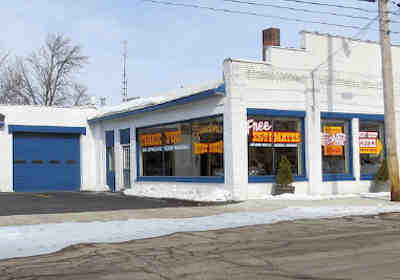
Frank moved the dealership to the old Andy’s IGA building on north US-127 BR. Today it’s known as Sundance Buick, GMC, and is owned by Terry Hanks.

This building now serves as Sundance Body Shop.

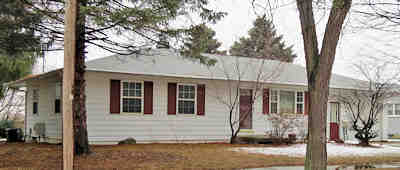
Smith built this house across the street from his business on Higham.


This week’s Mystery Photo

Where is this?

Can you tell us where this is located? Drop us a line at mail@sjindy.com.

306 E. Railroad St.

The current owners are Glenn and Terrilynn Voisin. Previous owners include John and Duane Jackson and Terrance and Myra Fleming.


A Look Back – Boy Scout Troop 51

by Barry Clark Bauer


Scout Leader, Doug Cook, Chris Cook, unidentified and unidentified.

These scouts probably receive an achievement award. The Troop is almost identified as 51.

Doug Cook passed away in 2010 and was the founder and owner of Agro-Culture Liquid Fertilizer in St. Johns. His son, Chris, used to work at Federal-Mogul. Chris is quite a train buff and contributed a lot to the St. Johns Train Depot. The scout on the right end looks like Mike Beaufore, but that hasn’t been verified.

This photo came to us from 1968.


Letters – Reader identifies A Look Back photo

My father-in-law, CF (Benny) Bensinger worked for the City of St. Johns. He is the tall guy on the far right of this picture. He was known by many, many people.

Jan Bensinger

******

Curt Keck adds: The photo in the look back part of the Indy shows Squeak Hyler, Bernie Feldpausch and some other gentlemen putting up Christmas decorations for the downtown. The two guys by Bernie, I believe are Bill Barber who operated the Julie K Store and his son Mark.

Features

E-Lanes awarded Best Bowling Alley

by Maralyn Fink

On Friday I went to my heritage town of Fowler to visit the E-Lanes bowling center. The owner is Elaine Gilliland who purchased the business in 2012. Her husband Gregg is also on board to help his wife live her dream. Six days before the grand re-opening, they received a call to hear that the bowling alley was on fire. I did do a photo album at that time and was hopeful that the business would be built back up. With the help of many residents and friends that is exactly what took place.

Walking in on Friday, I was greeted by Elaine and Gregg; and I told them I was there to do a story and to congratulate them on their being named The Best Bowling Alley in Michigan.

As I was given the tour, I could see why this award was given to them. For a small town they have the perfect place, décor, friendly service and great food. There are six lanes, and they host Pewamo Westphalia Varsity bowling teams. Waldron School also comes in twice a week. The have 8 leagues and 2 Junior Leagues.

Everything is shined and polished and ready when you walk in. I was very impressed with the whole design. They have a large assortment on their menu from burgers, wraps, subs, wings, strips, shrimp basket to name a few.

I thank you, Elaine and Gregg, for your hospitality; and I congratulate you on your well-deserved award as the Best Bowling Alley in Michigan.

I will be back to enjoy some of your food and your company.

Maralyn@sjindy.com


This week’s Mystery Photo

Where is this?

Can you tell us where this is located? Drop us a line at mail@sjindy.com.

806 N. Mead

The current owners are Paul and Monica Thayer. Previous owners include Roy Briggs, Trellis Nowak, Edwin Brown, James Mead, Mark White, Teresa Demos, and Coleen Pierman.


A Look Back – 1968 Downtown St. Johns Christmas Decorations

by Barry Clark Bauer

Only two decorators are identified, Bernard Feldpausch (left) and Squeak Hyler (middle).

These guys were busy putting up Christmas decorations downtown St. Johns. In the background is the old gas station that was turned into Stan Cowan Mercury used car lot. The building has since been razed and the dealership went out of business.


Maralyn’s Did You Know – Recall

Wellness Pet Food Voluntarily Recalls Canned Cat Food

According to a statement on the WellPet website, the company’s quality department learned about a foreign material in non-WellPet products made in the same manufacturing facility and decided to recall the cat food products as a “conservative step.”

The products affected by the recall are as follows:

Wellness Canned Cat 12.5 oz
Chicken & Herring
Best By Date: 08/04/2019

Chicken
Best By Date: 08/03/2019 and 08/04/2019

Chicken & Lobster
Best By Date: 08/04/2019

Turkey & Salmon
Best By Date: 08/05/2019

Turkey
Best By Date: 08/04/2019 & 08/05/2019

Beef & Chicken
Best By Date: 08/05/2019

Beef & Salmon
Best By Date: 08/05/2019

To find the best by dates, consumers should look at the bottom of the cat food cans.

Consumers that have any of the above recipes with these best by dates may email the company at info@wellpet.com or call 1-877-227-9587 for product replacements or to speak to a customer service representative.

******

Against The Grain Pet Food Recall

Out of an abundance of caution, Against the Grain Pet Food is voluntarily recalling one lot of Against the Grain Pulled Beef with Gravy Dinner for Dogs that was manufactured and distributed in 2015.

The 12 oz. Against the Grain Pulled Beef with Gravy Dinner for Dogs that is being voluntarily recalled, due to the potential presence of pentobarbital, has an expiration date of December 2019, a lot number of 2415E01ATB12, and the second half of the UPC code is 80001 (which can be found on the back of the product label).

Oral exposure to pentobarbital can cause side effects such as drowsiness, dizziness, excitement, loss of balance, nausea nystagmus (eyes moving back and forth in a jerky manner), inability to stand and coma.

Note: To-date, no complaints have been reported to Against the Grain for this single lot number nor any of Against the Grain’s pet foods, since the company was founded.

Consumers may return any can with the aforementioned lot number, to their place of purchase and receive a full case of Against the Grain food for the inconvenience. For any questions, customers may contact the company at 708-566-4410 between 11:00 AM – 4:00 PM Central Time, Monday – Friday.

******

Blue Buffalo Recalls Select Cans of Dog Food

Blue Buffalo, a Connecticut-based pet food manufacturer, has voluntarily recalled select canned dog food due to possible aluminum contamination.

According to a letter on the Blue Buffalo website, the company was notified by one of its suppliers of the possible presence of aluminum in one of its production runs.

The recall includes the following canned dog food product:

Product Name: Blue Buffalo Homestyle Recipe Healthy Weight, Chicken Dinner with Garden Vegetables, 12.5 ounce can, dog food
UPC: 8-40243-10017-0
Best By Date: August 3, 2019

To find the “best by” date, consumers should look at the bottom of the dog food cans.

Blue Buffalo has not received any reports of illness or injury as a result of problems that initiated the recall, according to the company letter.

Consumers with recalled canned dog food can return the product(s) at a local pet food retailer for a full refund. For more information, call 866-800-2917.


Letters – Rotary says thanks

St. Johns Rotary would like to thank all of the sponsors, donors who contributed to the auction and prize board, and all those who came to the Helping Hands Dinner. Your support helps St. Johns Rotary continue to fund and support local community projects as well as support Rotary International efforts such as polio eradication and clean water.

Platinum* and Gold Sponsors
Sparrow Clinton Hospital*
Koenigsknecht Family Dentistry
Bees Chevrolet

Circle of Friends (s) = shared

AgroLiquid
Allaby & Brewbaker Insurance
Avery Eye Care (s)
K13 Physical Therapy
Mercantile Bank
Remax Finest
Ryan’s Roadhouse (s)
Spicer Engineering Group
Auction/Prize In-Kind $400 & up
AgroLiquid
Bee’s Sports
Canfield Jenkins House of Photography
Harr’s Jewlery
Jeff Lazaros
Kevin & DanaSue Kirk
Koenigsknecht Dentistry
M287MA, LLC
Merchants of SouthPointe Mall
Nick Bancroft
RSI Wayne Door
The Cellular Connection

Auction/Prize Cash Sponsors $250 & up
Chemical Bank
K-13 Physical Therapy
MAHLE Engine Components
Spicer Engineering Group
Sundance Buick GMC

Thanks also to 60 additional In-kind or cash donors listed on St. Johns Rotary Facebook Page. And also to the hundreds of people who purchased tickets to the event and or bid on auction items.

Thanks again community supporters! The Helping Hands Dinner will generate about $25,000 net to support good things.

Chris Brewbaker
Club President

Features

Rotary Helping Hands Dinner – an album


This week’s Mystery Photo

Where is this?

Can you tell us where this is located? Drop us a line at mail@sjindy.com.

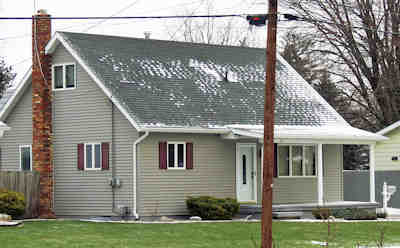
304 E. Gibbs

Curt Keck writes: “I recognize the photo of the home. It’s my house at 304 E. Gibbs.


A Look Back – City Mayor Hijacks Traffic Policeman Vehicle

Barry Clark Bauer

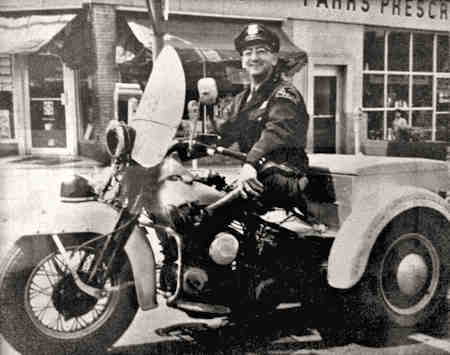
Roy Ebert, St. Johns City Mayor, pulls a promotional stunt and makes off with the City’s new traffic control vehicle. This is an upgrade from the old Harley-Davidson motor trike used by officer, Robert Ott for years.

Bob poses for a photo out in front of the Parr’s Pharmacy building downtown with the old bike.

Thanks to his grandson, Robert Ott, for this photo.


Maralyn’s Did You Know – Recalls

PetSmart Recalls Lot of Grreat Choice Adult Dog Food

PetSmart has issued a voluntary recall of one product lot of Grreat Choice Adult Dog Food as a precautionary action due to metal contamination found in the identified lot.

This recall only affects one lot of 13.2-ounce cans of Grreat Choice Adult Dog Food with the following identifying information:

Product: Grreat Choice Adult Dog Food-with Chicken and Rice Classic Ground

UPC: 7-3725726116-7
Best By Date: 8/5/19
Lot Code: 1759338

The expiration date of the product can be found at the bottom of the can.

If you own this product, bring it and any cans affected by the recall to your nearest PetSmart retailer for a full refund. No other Grreat Choice products have been impacted by the recall and no dogs have been reported as ill or injured from the recalled product.

If you have any questions about the recall, please contact PetSmart Customer Service at 1-888-839-9638.

******

Evanger’s Dog and Cat Food Recall

Evanger’s Dog & Cat Food of Wheeling, IL has voluntarily recalled select lots of its Hunk of Beef product due to potential pentobarbital contamination.

According to the release, the effects of pentobarbital in animals can cause side effects including, “drowsiness, dizziness, excitement, loss of balance, or nausea, or in extreme cases, possibly death.”

Hunk of Beef products involved in this recall come in packs of 12-oz cans and include lot numbers that have an expiration date of June 2020.

The recall was initiated because pentobarbital was detected in a single lot of Hunk of Beef products. According to a company release, Evangers chose to recall additional Hunk of Beef products that were manufactured the same week out of an abundance of caution.

As of February 3, the date of the release, “…it has been reported that five dogs became ill and 1 of the five dogs passed away after consuming the product with lot number 1816E06HB13.”

Evangers is investigating how the substance entered their raw material supply.

Pet owners who still have cans of recalled products with lot numbers listed above are advised to return it to the place of purchase for a full refund. You can also contact Evangers with any questions at 1-847-537-0102 between 10:00 am to 5:00 pm CST, Monday through Friday.


Maralyn’s Pet Corner – Probiotics for Cats

What are Probiotics for Cats?

Just like in humans, the majority of a cat’s immunity resides in its digestive tract; so keeping it balanced with an array of good bacteria is a great way to ensure that your feline stays healthy. One possible way to do that is by supplementing your cat’s diet with probiotics – friendly bacteria that help to regulate digestive and overall health. These live microorganisms are believed to help treat or prevent a variety of illnesses and diseases, especially those related to the gastrointestinal system.

But how do you know if you should give your cat probiotics? What kind of probiotics should you buy for your cat and how often should you administer them?

Benefits of Probiotics for Cats

Dr. Patrick Mahaney, a Los Angeles area veterinarian and certified veterinary journalist, is definitely an advocate for feline probiotics. “I’m a big fan of probiotics as a means of hopefully helping to maintain normal gut health, not only so there are less clinical signs of digestive upset like decreased appetite, vomiting, diarrhea, or stool changes but also in terms of helping to promote immune system health as well,” he says.

Mahaney adds that immunity for cats is closely linked to the health of the digestive tract and when the digestive tract is thrown off track, a cat’s immunity may suffer. Disorders that can cause such digestive system upset include ailments like inflammatory bowel disease (IBD), infections, or a cat simply ingesting something she shouldn’t.

“That could certainly be cats that are grooming themselves excessively and ingesting too much hair or ingesting things from the environment,” says Mahaney. So for cats, probiotics can help with a variety of conditions, such as inflammatory bowel disease. The veterinarian adds that IBD is a common condition that many cats develop throughout their lifetime, especially during their adult and senior years.

While the cause of IBD in some cats remains a mystery, Mahaney says that some commercial pet foods may play a part in cats developing the bowel disease. “Kibble for instance, doesn’t really exist in nature. It’s not really what cats should eat. And if they are chronically eating something that doesn’t really agree with their digestive tract, that there is a problem over time,” he says. “The cat could start vomiting or have diarrhea or not eat as well as he should. So inflammatory bowel disease is a big concern that ends up costing owners a lot of time and money to manage.”

In addition to treating IBD, probiotics are hypothesized to be able to help halt diarrhea, reseed the gut with beneficial bacteria after a pet has been on a course of antibiotics, improve digestion, and boost overall immune system. According to Richard Hill, associate professor at University of Florida’s College of Veterinary Medicine, probiotics may also “reduce the duration and slow recurrence of hemorrhagic gastroenteritis” in some feline patients.

Cat Probiotics vs. Dog Probiotics: What’s the Difference?

Cats and dogs have very different digestive systems. For instance, a cat’s small intestine is shorter than that of a canine’s, which results in a quicker transit time for digesting food. The WALTHAM Centre for Pet Nutrition also notes that a cat has a much smaller cecum (the pouch connected to the junction of the small and large intestines) than a dog’s and the gastric mucosa (inner lining of the stomach) differs between the two species.

Mahaney notes that cats are carnivorous in nature, whereas dogs are omnivores. “Cats are meant to survive off of protein and fat, where dogs are meant to eat more of a variety including meat and protein and vegetables and fruits,” he explains. Digestion starts in the mouth and if you look at the teeth of dogs and cats, the dentition of the dog includes molars meant for chopping up plant material, whereas cats lack these types of teeth. These differences in anatomy, physiology and diet are why some veterinarians believe that cats may benefit from probiotics even more than dogs.

Can I Give my Cat Human Probiotics?

While there are no current studies that point to the fact that giving cats a probiotic supplement designed for humans is dangerous, veterinarians still urge pet parents to opt for a product that is specially designed for cats. “The microflora in a cat’s small and large intestine are different than for people, so we can’t assume that human probiotics will work in cats,” say Deirdre Frey, VMD with Vet at Your Door, a Portland, Maine-based veterinary home-care practice.

Types of Cat Probiotics

Cat probiotics come in a variety of forms—powders, pills, and even infused inside of treats. In order to get the largest benefit out of a probiotic supplement, Mahaney recommends opting for the highest CFU (colony forming units) that you can find. Diversity is also important. “We want to make sure that we have a diverse array of probiotics—not just one type of bacteria,” Mahaney adds.

The strains that cats tend to do best with are those of the Bifidobacterium and Enterococcus families. Bifidobacterium tends to live in the small intestine, whereas Enterococcus generally resides in the colon (large intestine). So each strain could have a different function when it comes to promoting health. Bifidobacterium is more involved with digestion and the Enterococcus aids with the formation of normal feces and helping to maintain colonic health. Mahaney says you really can’t go wrong with purchasing a product with additional bacteria strains but stresses that it’s important to opt for a supplement that contains the two bacteria mentioned above.

“Make sure there are at least two different types in there because they do jobs in different locations,” he notes. “But ideally there could be five types of Enterococcus or five different types of Bifidobacterium in there,” Mahaney adds.

How to Give Probiotics to Your Cat

While some veterinarians prescribe probiotics once a pet has an existing issue, like diarrhea, Mahaney recommends that pet parents make probiotic supplements a daily part of a cat’s health routine. “I feel that giving a daily probiotic supplement is a safe way to hopefully help deter the development of digestive problems,” he explains. “If the cat is willing to take it, it’s a pretty simple thing to do.”

Antibiotics are notorious for wiping out healthy gut flora. In order to combat this, Frey recommends giving a cat a daily dose of probiotics when a cat has been on antibiotics in order to help repopulate the digestive tract. To be proactive, pet parents can also give their cats probiotics at the same time that they start a dose of antibiotics. “The probiotics are often extended for several weeks beyond stopping the antibiotic, as it takes a long time to make those good bacteria stick,” says Frey.

In order to administer a dosage, it’s best to follow the instructions on the package. If a cat will not swallow a capsule, owners can hide it inside of a treat or pick a product that can be sprinkled on the cat’s food. Before giving your cat probiotics or other supplements, make sure to consult your veterinarian to ensure the proper dosage and type for your cat.

Risks and Considerations of Probiotics for Cats

Adverse effects of probiotics are rare in cats. Frey, however, warns that cat owners should choose their probiotic brands wisely. “The supplement industry is loosely regulated and there isn’t a governing agency that requires a company to prove its label claims for amounts and strains. Companies only have to respond to complaints,” she explains. Human supplement manufacturers are required to have more oversight than veterinary ones. There is, however a veterinary organization called National Animal Supplement Council (NASC) that does provide some oversight. Frey recommends giving cats a veterinary product that has the NASC label or a product from a company that also produces human supplements and foods whenever possible.

But at the end of the day, it all comes down to what works the best for your specific pet. “We know so little about probiotic and normal flora populations in animals. There is much to learn,” says Frey. “No one product works for every animal so trying different probiotics and watching for results is a good common sense approach.”

Features

St. Johns This Week – The Castle and City Park

by Maralyn Fink


This week’s Mystery Photo

Where is this?

Can you tell us where this is located? Drop us a line at mail@sjindy.com.

410 E. Gibbs St. – St. Johns, Michigan

The current owner is Christine Perry. Previous owners include: James Bates, Dwight Whittaker, Harry and Alice Moon, Alice Hoeve, Eldon and Ruth LeBlonde, Ann Sinclair and Lyn Strang, and Andrew and Ashley Faivor.


A Look Back Update – Money Bags

Barry Clark Bauer

Willie Tabor, manager of the Ovid branch of the Central National Bank of St. Johns, and Clinton County Treasurer Velma Beaufore relax as they recollect the hours spent in counting well over 1 million dimes and quarters stored temporarily at the Ovid bank in November and December.

One of the great fascinating untold stories of the year 1968 can now he told. It involved more than a million dimes and quarters, plus one penny and probably a bottle of Excedrin. For nearly two months the vault at the Central National Bank office in Ovid was a giant lock box for more than $130,000 in dimes and quarters stored there by private citizens from another county. The money had been hoarded for years, undoubtedly for speculative purposes. When the speculator passed away, the man’s survivors gathered the silver coins together and searched for a place to store it. This is where Central National Bank came in.

“This whole deal has been strictly a headache since I first laid eyes on it,” Willie Tabor, assistant cashier and manager of the Ovid bank office, said in retrospect. “It kind of snowballed. I never would have accepted it had I known what it was all about. And I would not wish it on anybody.”

The story he tells is fascinating, even if it isn’t complete. For understandable reasons, Tabor is not disclosing the names of the people involved nor even where they’re from. A lot of whys and wherefores of the vast collection of silver aren’t known either, and perhaps they are nobody’s business. But the general facts can now be told-the money has been removed from the bank and Tabor is breathing normally again.

It all started back about the middle of October. Tabor said a Ovid businessman called him up and wanted to know if the bank could store “some silver” in coin that had been accumulated for speculative purposes.
“We do have some extra storage space, Tabor said, and it wasn’t an unusual request. We frequently have people who want to store some money or valuables for a short period.” So Tabor agreed to store the silver. That was on Oct. 19. Several mornings later he got a call that the money was in Ovid waiting to be unloaded and stored. To Tabor’s surprise, he found a heavy equipment truck parked at the side of the bank. On it was a single wooden box about six by 10 feet in size, filled with bags of silver coins! “I was amazed,” Tabor said, “I have gone and gotten for our own use $10-$15,000 in silver, but any more than that was kind of hard to visualize. We never did know the amount that was stored until we completed a count of it on Monday, Nov. 18.”

The face value of the money came to several thousand more than $150,000. There were roughly 1,078,000 coins, including about 770,000 dimes and 308,000 quarters. There was also one penny, one or two nickels and a few half dollars.

Normally the bank would not have made a count of the funds. But shortly after the silver had been stored at the bank, a legal determination was made that it was part of the estate of the deceased man who had collected it. With this determination, it became the duty of the county treasurer in the county where the money was stored to come in and make an inventory.

“It was just like opening a lock box, actually,” Tabor pointed out. “She (Mrs. Velma Beaufore, Clinton County treasurer) would make an inventory for the administrator or executor of the estate. So the vault was one big lock box.”

Because Tabor and his aides, as well as Mrs. Beaufore, have other duties, it was decided to make the count of the huge silver pile after normal working hours. They started counting Nov. 4 and accumulated about 20 man hours on it that night, Nov. 14 and Nov. 18 before the job was completed. The counting was done in a basement room, small and with low ceilings. It was hot and stuffy-and dusty, because several of the bags had dirt mixed in. “We don’t know how the dirt got there,” Tabor said. “Perhaps it was in a container and buried, although I don’t know. It did make it uncomfortable in there for a while until the dust died down. We used a square quarter-inch screen to screen the dust out.”

A machine was used to count the coins, but even then it took a long time. Three minutes were necessary to count $1,000 in quarters, and it took about twice as long for dimes. “There was about $77,000 in dimes and $77,000 in quarters,” Tabor said.

The money when it came in was in bags, and Tabor reported it was pretty accurately counted. In some cases, dimes and quarters were mixed in together, so these had to be separated before they were counted. About one third of the coins were put in $1,000 bags and the rest in $500 bags. The weight was tremendous. With a roll of quarters weighing about a half-pound, Tabor figures there was around 35 tons of silver coin involved. That’s why the heavy truck was necessary to bring it over; the truck normally was used for hauling bulldozers and draglines.

Presence of a large amount of money at the Central National Bank in Ovid wasn’t general public knowledge, but it was by no means a secret. Nobody would have realized what was going on by seeing the truck on the highway, with two cars following it, but when it got to Ovid Oct. 21 it was just about bank opening time, and a lot of people going to work saw it being unloaded.
“People would ask me about it on the street,” Tabor said. “I’d have to say it was ‘just another deposit and try to let it go at that.”

“The coins stored at the bank were run-of-the-mill,” Tabor said. “There were some Canadian coins, some mercury dimes and some Roosevelt dimes. Generally they weren’t old coins. This was strictly speculation,” Tabor said. “It’s over and above what a normal coin collection would be. I’d say he had been at it three to five years. It’s only been two or three years that this silver thing has broken loose.” Tabor said that while accumulation of this amount of coin certainly is unusual, it is not unusual that people are putting silver away. “When the government started making clad coin there was a lot of people who started investing in the silver coins due to the shortage of silver, which is commonplace nowadays. The silver content in a quarter is around 90 per cent, so at today’s prices it would be feasible to purchase this silver coin and hold it in hopes that the government would release their ban on smelting. It could be an expensive venture, too, depending on when they get rid of the silver.” Some collectors are paying 10-15 per cent over face value for silver coin. There’s a lot to fit around, but people just have it hoarded up. And this is partially what created our national coin shortage. People who make film and jewelry use a lot of silver. They’re just not processing silver like they used to because it is getting costly. So if they don’t produce it out of the mines, It becomes scarce and this adds to the price.

“Some of our dollar bills are backed by silver-our silver certificates. For over a year the government advertised they would buy these back for silver bullion at the rate of $1.29 per ounce when the world market calls for $1.78 per ounce. So these people who turned in the silver certificates actually got the silver for speculation, and again it drives up the price of silver to where it’s feasible to melt the coin.”

Tabor pointed out this is not the case yet, and there are heavy fines involved for those melting silver coins. Tabor said the bank took no special precautions during the eight weeks the coin was stored at Central National-except to keep their fingers crossed. “It was safe in the vault. It is thick concrete, steel lined, and it isn’t feasible for anybody to open up a bank vault today. But it makes you kind of nervous,” he admitted. “It isn’t that somebody could come in and make off with the whole thing, because this would almost be an impossibility. But a lot of people wouldn’t understand this. They figure $150,000 with no idea of the size and weight involved. For example, if somebody knew it was here and they wanted to knock over the place, they could never load it all in without being caught, in the first place. It would take an hour to load it, and Lord only know how long before they could get at it.” He said it would be hard to even get away with anymore than $10-15,000 of it unless they had an awfully, awfully strong struck, and usually people just don’t do these things in a truck. “By loading $10-15,000 in a car, if your springs did hold out, you’d go down the street like a motorboat at full throttle-your front end’s going to be high and your rear end low. In a car you couldn’t disperse it out where it would be level.”

Tabor said his and the bank’s main concern involved personnel, and that’s why the story hasn’t been made general public knowledge until now that the hoard has been removed from the bank, “If somebody did want to knock us over, they might raise more damage by getting the employment involved. This was my main concern,” Tabor commented. “You don’t want to see anybody get hurt. In a deal like this it would be possible, although if anybody did break in it would be at night so employees wouldn’t be here. But this is always on your mind that somebody would be stupid enough to try it.”

A few Excedrin tablets probably tumbled from the bottle during the course of Central National’s great coin adventure. Tabor has vowed it will be the first and only time it happens. “I think here after that if anybody wants to store something in our vault, we’ll find out how much and a little more about what we’re talking about before we say yes,” he said.


Benny and Jessie’s Pet Info – The Cone of Shame: Why E-Collars Get a Bad Rap

“Is that really necessary?”
“Does he really need that thing?”
“But we will watch him!”

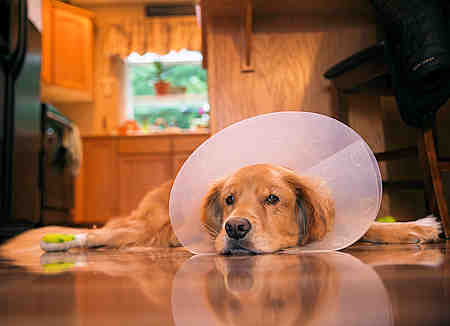
Although they may seem extreme and look ridiculous, e-collars play a very serious role in veterinary medicine. The purpose of the dreaded cone is to deter your pet from licking, biting, rubbing, or traumatizing a sensitive area. It may be applied post-operative so that a pet doesn’t get to their surgical site. It may even be applied to a pet with allergies or a hot spot to stop them from scratching at the area and causing more damage.

Why are they so important? Say, for example, that your dog has just undergone surgery. Chances are, the experience was not only stressful on you, but also on him. He had to spend a day in an unfamiliar place, with lots of strange noises and smells, different people he doesn’t know or trust, and then fall asleep unexpectedly and wake up (possibly) missing body parts, disoriented and with a weird plastic lampshade on his head. That must have been some party!

Meanwhile, you altered your schedule to drop your dog off at the hospital, worried all day about him, then paid for a procedure you may not even fully understand the purpose of And got your pet back with a plastic satellite dish on his head. As your veterinary technician, I explain to you that if your dog gets to his neuter site, chances are, we may have to re-anesthetize him for another surgical procedure to repair the damage. You will understand, at that moment, the financial penalization of this and will want to do everything in your power to avoid this scenario. Then, I bring your dog out to you and the questions begin. Not, “is this recovery hard on him?” or “what are the effects of anesthesia we should look for?” but “how many channels does he get?”

Once you are told that the e-collar is necessary until his recheck in two weeks, you start to panic. How is he going to eat? How is that going to work in bed with us at night? And then it happens. Your dog comes running at you full force and the cone takes you out at the knees. Or he tries to walk through the door and the cone hits the door frame and he gets stuck. Though funny, you feel bad. And do the inevitable … you take the cone off.

Now your dog is happy and so are you. Then, you turn your back for one second to take the garbage out to the curb. Or to answer the phone. It is at these moments of distraction that it will happen (Murphy’s Law) and your dog will do everything in his power to lick at that neuter site because it’s just so darn itchy from being shaved, sore from being poked and prodded and smells of funny antiseptic used during surgery. Next thing you know, you’re back at the veterinary hospital, checking your dog in for his next procedure, a neuter site repair. And we begin all over again. The truth is, you cannot keep your eyes on them at all times. You must eat, sleep and go to the bathroom (not to mention work!).

Still not deterred from taking off that e-collar? Fortunately, there are other options available. There are soft e-collars, inflatable ones, Bite-Not collars, body stockings, even clothing that can serve the same purpose of deterrence if necessary. Even with an e-collar (or e-collar alternative) on, it is important to examine the area of concern a couple of times a day, just to make sure your pet is not getting to it, or using other things (like furniture or the floor) to satisfy that itch.

Consult with your veterinarian to see which is the best option for your pet, and what they will tolerate and provide the best outcome – a speedy, happy, healthy recovery for both you and your pet.


Letters – CASA says thanks

Special thank you to Capital Region Community Foundation for being a wonderful partner and supporter of our program.

We are very appreciative of the nearly $15,000 grant which will help provide a voice to children who are in foster care. Thank you!

CASA – The Voice for Clinton County’s Children


Maralyn’s Pet Corner – Signs of Pyometra in Cats

How do you know if your cat has pyometra? Sometimes the symptoms are straightforward, but at other times the disease can be tricky to diagnose. Knowing the signs of pyometra can, quite literally, save your cat’s life.

What is Pyometra?

Pyometra is defined as an accumulation of pus within the uterus, which can develop because of the hormonal, anatomical, and physiological changes that occur after a cat has gone through a heat cycle but does not become pregnant. Bacteria then take advantage of the situation, resulting in a potentially fatal infection.

What are the Symptoms of Pyometra in Cats?

Some cats with pyometra show no signs, or may show vague clinical signs like lethargy, fever, dehydration, and poor appetite, even if they are suffering from very advanced disease.

Vomiting may also be present. Because the signs of pyometra can be mild and/or ambiguous, abdominal imaging (x-rays and/or ultrasound) is sometimes the only way to definitively diagnose or rule out cases of pyometra in cats.

If a cat with pyometra has an open cervix, pus (often tinged with blood) will drain from the cat’s vagina, but fastidious feline groomers often clean it away before owners can observe it. Because the pus has a way to get out of the body, these cats may not show many signs of systemic illness.

In comparison, when a cat with pyometra has a closed cervix, the pus will accumulate within and distend the uterus, leading to pain, abdominal enlargement, and more obvious signs of illness. The uterus may eventually rupture, leading to peritonitis—infection of the abdominal cavity—which is fatal without aggressive treatment.

While increased thirst and urination are classic symptoms of pyometra in dogs, these clinical signs are rarely observed in cats.

What Puts a Cat at Risk for Pyometra?

The probability of a cat developing pyometra increases with age, and affected cats have often gone through a heat cycle roughly a month before falling ill.

Intact females are at highest risk for developing pyometra, but the condition can be diagnosed in spayed female cats, as well. Here’s how:

When a cat is spayed in a traditional manner most of the uterus is removed, but a small portion attached to the cervix is left within the abdomen. This is called the uterine “stump.” An alternate form of spaying is becoming more popular in which the entire uterus remains in the body and only the ovaries are removed. Pyometras are extremely unlikely with either of these two surgical procedures, as long as the cat is no longer under the influence of reproductive hormones. Unfortunately, this can occur under certain circumstances.

Sometimes, ovarian tissue has been left behind within the cat’s abdomen. The tissue may be microscopic and therefore invisible to the surgeon’s eye, or a mistake may have been made and a larger piece of ovary remains.

Some spayed female cats also develop pyometras after coming into contact with their owner’s estrogen-containing topical products or after being treated with progestins for skin problems, a practice which is no longer in wide-spread use.

Treating and Preventing Pyometra in Cats

The best way to treat a cat with pyometra is to spay her as soon as her condition has been stabilized. The ovaries, entire uterus, and cervix are removed as one unit to minimize the chance of pus leaking into the abdomen.

When a spayed cat develops pyometra, the uterine stump is removed (or the whole uterus if only the ovaries were previously taken out) and any remaining ovarian tissue must be identified and excised. If an owner plans to breed the cat in the future, medical treatment is available that may eliminate the need for surgery that inevitably leads to infertility.

Spaying a female cat when she is young and healthy is the best way to prevent pyometra. The spay procedure is much more risky once the disease has damaged her uterine tissues and weakened her ability to withstand surgery and anesthesia.

Features

Feldpausch Fields

This week Maralyn Fink noticed this fine new marker along Townsend Road.

The sign reads: These fields were made possible by Bernard and Adele Feldpausch. Dedicated in honor of Bernard Feldpausch 1924-2016


This week’s Mystery Photo

Where is this?

Can you tell us where this is located? Drop us a line at mail@sjindy.com.

707 N. Swegles

The current owners are David Devereaux and Rachel Atkinson. Previous owners include: Roy Briggs, Grace Masarik, Keim/Masarik/Clifford, Laura Cook, and Mike Gallthugh and Jessica Bielaczyc.


A Look Back – D&B Party Store

Barry Clark Bauer

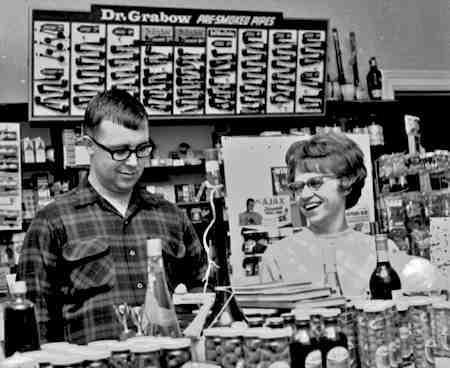
This photo was taken at the D&B Party Store in 1968 and the owners are identified as Dick & Barb Fenby. Pipe smoking must have been popular judging by all the pipes on the wall in the background.

Over the years this was also known as Bozzo Brothers Candyland, Bozzo’s Beverages, Chris’ Party Store, Paul’s Party Store, Spud’s Party Store, and today it’s known as Mazz’s Endzone Party Store located at 224 N. Clinton Ave., St Johns, MI.


Benny and Jessie’s Pet Info – How to Care for Your Pet After Surgery

When it comes to post-operative care for pets, there’s no such thing as “standard procedure.” That’s because each cat and dog surgery and each pet is different.

“Post-op specifics will vary depending on your pet’s age and condition, as well as the exact type of surgery involved,” says Dr. Carol Osborne, DVM, an integrative veterinarian and the country’s first veterinarian to be awarded a Diplomate Certification from the American Board of Anti-Aging Medicine.

In general, Osborne says, it’s common for most pets to be sleepy and a bit lethargic for the first 12-24 hours after surgery—which is why it’s important to let them rest and recover.

If you’re not sure what to expect—or even if you think you are—talking to your veterinarian can help you to figure out the right course of action.

“Many well-meaning pet owners pick up their pets after surgery and then panic because they’re not sure what to do or what to expect,” Osborne says. “It’s a good idea to ask for a written list of specific details regarding your pet’s post-op care.”

Confining Your Pet After Surgery Will Speed Up Healing

Even the smallest of surgeries are invasive, so it’s important that pets have time to heal and rest once they get home. In most cases, that means restricting how much activity they engage in.

“Confinement after surgery allows the tissue that was cut to heal back together,” says Dr. Chelsea Sykes, DVM, a veterinary surgeon at the new SPCA Tampa Bay Veterinary Center.

If a dog moves too much following surgery, there’s a risk of the tissues not bonding properly, which can lead to wounds that don’t heal or heal too slowly, says Sykes. “The more motion of the tissues, the harder it is for them to create the bonds to heal the cut sections back together.”

And if this happens, there is also a higher risk for complications like infections, added Sykes.

The type of activity restriction a dog will need post-op is dependent on the type of surgery and the patient, says Sykes. “Smaller incisions—often seen with neuters, small mass removals, and some spays—often only require three to seven days of restricted activity, and these patients can often be confined to a small room or pen,” explained Sykes. The exception is with very energetic pets, which may need to be confined to a pen, even after small surgeries, to prevent complications.

According to Sykes, long incisions, incisions in spots that are naturally rubbed on (such as in the arm pit), or incisions in sites that are under a lot of tension (e.g., the forearm or ankle) are trickier.

“These might require longer (one to two weeks) and stricter activity restrictions to allow proper healing and prevent disturbance of the surgery sites,” explains Sykes. Major surgeries like bone surgery may require keeping your pet confined for three to six weeks or even longer.

To make confinement as comfortable as possible, Sykes recommends adding bedding or blankets and making sure the enclosure is big enough to allow your pet to stand up and turn around in a full circle—unless your veterinarian tells you otherwise.

“If you are using a small room or pen, part of [the space] can be kept without as much bedding to allow for a cooler area for the patient to move to if they get too hot,” Sykes says. Remember too that a pet recovering from surgery needs more attention from you, not less, even if he is confined to a crate or pen. Spending lots of time with your pet — snuggling, talking, etc. – can go a long way toward keeping him calm and speeding his recovery.

Post-Op Medications and Home Care for Pets

The most commonly prescribed medications after surgery are antibiotics to prevent infection and pain medication to relieve post-op discomfort, says Osborne.

But not all surgeries require post-op antibiotics, says Sykes. Veterinarians often skip antibiotics for short, simple procedures, as these have little risk of infection. However, pain meds should always be prescribed, and especially high energy dogs may need sedatives to help them rest after surgery.

“Some very hyper patients will be sent home with sedatives or anti-anxiety medication to help keep them calmer while they heal,” Sykes says.

When it comes to home remedies, however, Osborne says it’s important to always talk to your veterinarian before using them.

“There are many home remedies available online and elsewhere, and although most are drug free, it’s always a good idea to check with your vet first just to be sure they won’t adversely affect your pet’s recovery in any way,” Osborne adds.

For some surgeries such as bone surgeries and large mass removals, Sykes says warm and/or cold compresses might help. “Make sure to ask your veterinarian what they would recommend as to if [compresses] would help, how often, and how long the compresses should be kept on the sites,” Sykes explains.

Osborne adds that a number of over-the-counter remedies might be helpful as well, as long as your vet feels they’re acceptable in your pet’s situation.

“For example, Arnica montana is an over-the-counter homeopathic remedy that safely offers relief for pain, swelling, and inflammation,” Osborne says. “And essential oils are wonderful to help relieve anxiety and promote a stress free recovery; they can be diffused in your pet’s room and/or applied topically.” Make sure you talk to your veterinarian first before using any essential oil, however, since some are toxic, especially if used incorrectly.

Watching the Incision Heal and Watching for Infection

When it comes to the surgical incision itself, the best course of action is to leave it alone.

Pet owners are usually not required to clean an incision, but Sykes says it’s important to keep an eye on it to make sure it’s healing properly.

“Covering an incision when the patient goes outside will help keep it clean, but avoid keeping a bandage on at all times, unless directed to by your veterinarian,” says Sykes. “While bandaging can be helpful in some situations, it can potentially slow down healing if used inappropriately and can cause other sores or lesions.”

If you notice the incision getting dirty or crusty, Sykes says you can clean it gently by wiping or patting the area with a towel and warm water. While a dilute iodine rinse can also be used to clean the incision site, Sykes warns pet owners to stay away from alcohol and peroxide, which can cause pain and delay healing.

“Alcohol can sting and has a strong odor, which most animals will try to groom off,” Sykes explains. “Peroxide stings as well, but it also kills the first layer of cells in the incision. Since those are the cells trying to form healing bonds, we want them to stay alive and healthy.”

An incision that is infected might ooze pus, become very swollen and red, and/or feel hard to the touch, according to Osborne. Incisions that feel hot, are painful when touched, or have visible gaps between the wound edges are also cause for concern.

“Some surgeries will have more bruising, draining, or swelling than others, and most veterinarians will tell you to watch for it when you take your pet home,” Sykes says. “However, the best rule of thumb is if you had an incision on your own body that looked like that and you were worried, then you should be worried if it is your pet.”

What Can Go Wrong After Cat or Dog Surgery?

It doesn’t take much for things to go wrong after a surgery if you aren’t following your vet’s recommendations.

“Pets should not lick, bite, or scratch their incision,” Osborne says. “If your little one becomes preoccupied with the area, intervene ASAP. Get your pet an E-collar, a cone, or whatever is needed to prevent damage to the site.”

“Basically pets can chew and lick their incisions until the sutures fall out and the incision site becomes infected,” says Osborne. “In these cases, the procedure often needs to be repeated—the anesthesia as well as the surgery.”

Sykes gives the example of a high-energy female dog that had been spayed a week prior. What should have been routine surgery turned into a major problem because the owner did not keep the dog confined or prevent her from licking at her incision.

“She presented to us with a ruptured incision line and herniated intestines, meaning she had broken down the sutures of her skin and abdomen so her intestines were essentially falling out of her belly,” Sykes explains. “That complication required emergency surgery to put her intestines back where they belonged and two to four weeks of antibiotics to prevent infection inside her belly.”

It’s important to keep in mind that vets refer to post-op care as “supportive” care. “Supportive care means that we provide pets with a stress free environment that is small, safe and secure, and promotes healing,” Osborne says.

The takeaway: Let your pet rest, follow your vet’s advice, be vigilant about monitoring for complications, and allow time for healing.


Letters – St. Johns women take DC

What an historic day in D.C.! Although it was a Women’s March with all ages/ races/ethnicities there were husbands/fathers/ boyfriends, as well as children, in the march, with over 600, 000 marching in solidarity.

It was a peaceful and positive event that brought people together for inclusion; women’s rights are human rights.

The metro trains were packed, and yet everyone was friendly /respectful/ helpful/and kind. This includes the metro security/ the D.C. police.

I’ve been at the Rose Bowl and the Olympics, supporting winners; yet never have I felt such positive concern and love of country as I experienced today in D.C. The local television stations reported that the police had made No arrests today.

I am so lucky to have had the opportunity to march with my 8 friends and also to know that in the throngs my daughter was marching with her friends.

To all of our friends and relatives who marched in other States and cities around the world: Remember to rise up for all people, and when others go low we Must go high. Today was about what we are for rather than who we are against.

– Dottie Harris Spousta via Facebook

******

The speakers were incredible! There’s Gloria Steinem. She was most inspiring, as was Michael Moore and Ashley Judd. Madonna even showed up. The crowd chants were especially moving. “This is what democracy looks like!”

– Cindy Zuker via Facebook

******

– Eunice Martin Link with Kateri Martin Konik

******

We are concerned for the direction of the country as we seek to protect the progress made in women’s and human rights. We will march to protect hard won rights and move forward an inclusive, thoughtful, progressive agenda.

– Bette Munger

******

Thank you to all the women who marched this weekend. Thank you for taking a stand, and making your voices heard, and getting involved.

I’ve seen pictures from several friends who marched in different cities across this country, and I’m glad to see you are all the same strong, determined, involved (“woke” as the kids say) women you were when we met.

Being part of a functioning democracy is hard work; it’s supposed to be work; but too often, as participants in this democracy, our default position is to complain — “politicians don’t listen to the voters” — but we don’t do any of the work.

– Brett Harger via Facebook


Maralyn’s Pet Corner – How to Walk a Cat (and Live to Tell About It)

Ever seen a cat out walking on a leash? Most people who have seen one react with astonishment that a cat would be domesticated enough to willingly allow itself to be tethered to a leash and guided around by — of all things! — a human companion. But it can, and does happen. After all, why should dogs have all the fun? Everyone knows cats like the outdoors, too. Shouldn’t they get the opportunity to explore the great outdoors along with the rest of us? Shouldn’t they be allowed to maintain their youthful figures with some regular exercise? Learning how to walk a cat may seem impossible, but with proper supervision, patience, and consistency, you too can train your cat to walk on a leash.

Does Age Matter?

Once a cat has reached the age when she has been fully vaccinated, it is safe for her to go on walks outside. Remember that this is not so much to protect other animals from what she might be carrying, but to protect her from what they might be carrying. It is best to start as early as possible, before your cat has developed a fear of the outdoors or a fear of unusual noises. Older cats are often more reluctant to go outside on a leash — or to be on a leash at all. It may take months to get her used to accepting a harness, and to being led, but with diligence and a wish to succeed, you can do it.

It will help a lot of your cat is already responsive to you. If you can call your cat and she consistently comes to you, you are already on a good track. If you do not have this type of relationship, you will need to start there. Using treats and lots of praise, call your cat to come to you. After some time, your cat will learn that coming when called will be rewarding.

Selecting the Proper Harness

Because cats are so agile, a simple collar around the neck is not enough to hold them while walking outside. They can easily pull out of the neck collar, even a well fitted one (and you do not want to make the collar so tight that there is a potential of cutting off air flow). Instead, use a good-quality harness that has been designed especially for cats.

A cat harness is typically made with an adjustable neck collar, which is attached to an adjustable body wrap. The harness should fit snug to the body, but not be so tight that air flow will be constricted. You should be able to fit two fingers under the harness at the neck and under the chest.

Depending on the harness, the leash should attach at the body strap or between the shoulders instead of at the neck. The clips holding the harness should snap securely — they should not be the break away type that is commonly found in cat collars.

Introducing the Harness

It may take some time before your cat gets used to wearing a harness, so start slowly. Set the new harness near your cat’s favorite area and allow her to see it, smell it, and even play with it at first. Offer her some treats and praise if he shows interest in the harness.

After a few days of this, hold your cat securely and give her a treat. As she’s eating the treat, drape the harness loosely over her and leave it for a few minutes. You may need to repeat this several times before actually adjusting it, just to get your cat used to the feel of the harness. Once she appears to be comfortable with having the harness on her body, put the harness on and tighten the straps so they fit snugly. Again, offer positive reinforcement and treats for allowing you to put the harness on her. Leave the harness on for a short period of time, a few minutes to start, with gradually more time.

Do not force the fitting. If your cat struggles too much, remove the harness and try again later. When she does accept the harness without struggle, give her lots of attention so that she associates wearing the harness with good times.

Add a Leash

Once your cat is accepting the harness, let her wear it around the house, doing her normal activities. Gradually increase the amount of time your cat is left in the harness. You can even feeding her while she’s wearing the harness. Next, attach the leash to the harness, allowing her to drag the leash around. This is to get her used to the weight of the leash, but remember to keep an eye on her while she is dragging the leash. You don’t want her to get it tangled up on anything.

You can then graduate to walking around inside while holding the leash. Don’t pull on the leash and don’t try to force her to follow you at first, follow her lead instead. Every now and then stop and call her to you, giving her a treat and praise when she comes.

Finally, when she seems comfortable on the leash indoors, it is time to go outdoors. Begin with a short walk outside, maybe just as far as outside the door where your cat can sniff around and start getting used to the sounds and scents. After doing this a few times, you might take a short stroll around the block. Before you go any farther than the immediate area, get to know your neighborhood to make sure that your neighbors do not allow their dogs to roam freely — or so that you know which areas to avoid because of roaming dogs. Choose the quietest and safest areas for your cat to walk in, so that the experience is pleasurable for both of you.

How to Walk a Cat Safely

Although your cat’s usual collar does not need to be removed, it is not part of the harness system. However, you should leave the collar on, with its ID in place, just in case your cat gets loose while you are out.

For the first few walks, as your cat is getting used to being outside, you might want to take along a soft (or hard) carrier, just in case your cat has a panic attack, or in case you unexpectedly come up against a free roaming dog. A panicked or threatened cat is not going to want to be held in arms until it gets home.

This will work best if your cat has been spayed or neutered. An un-neutered male cat may be more likely to try to escape the harness or get out of control while outside, and an un-spayed female cat may be attacked by feral male cats.

Setting a regular time to walk each day will give your cat something to look forward to. Try to stay consistent.

Unlike dogs, cats cannot be tethered to a pole while you step into a shop, even for just a few minutes. Your cat might panic and get itself tangled in the leash, or it may be attacked by a dog and not be able to escape.

Features

This week’s Mystery Photo

Where is this?

Can you tell us where this is located? Drop us a line at mail@sjindy.com.

913 N. Oakland St.

The current owners are Roger and Janice Crowell.


A Look Back – Money Bags

Barry Clark Bauer

I was asked if I had this photo, and we’re in luck because I have an additional one!

That’s Velma Beaufore, Clinton County treasurer in 1968, giving a tour of the vault. The unidentified guy is sitting on money bags labeled, Michigan National Bank. I have no idea if the bags contained both money and checks or just money. There sure were a lot of them at what was probably tax time.


Benny and Jessie’s Pet Info – 5 Fast Facts You Should Know about Dog Saliva

Many of us don’t think twice about the saliva that comes out of our dog’s mouth when we lean in for a slobbery kiss. Affection between humans and their pets is not uncommon. However, what is common is the lack of education surrounding animal saliva, its bacteria, and how it impacts both humans and pets. Here are five fast facts about dog saliva that can change the way you think about your pet and its mouth.

1. Dog saliva helps prevent canine cavities. The saliva found in the mouths of dogs is better suited to prevent cavities, in comparison to human saliva.

“[Human saliva] has a PH of 6.5 to 7,” says Dr. Colin Harvey, emeritus professor of surgery and dentistry at the School of Veterinary Medicine at the University of Pennsylvania. “The saliva of dogs and carnivores in general is slightly alkaline, around 7.5 to 8. The significance of that difference is that dogs do not get dental cavities nearly as frequently as humans. The slightly alkaline nature of dog saliva buffers the acids that are produced by some bacteria that are the cause of the enamel of the tooth being eroded away.”

2. Saliva helps dogs with digestion, but not in the way you think. “There are no digestive enzymes present in the saliva of dogs,” Harvey says. “It is purely designed to get the food down into the stomach so the digestive process can start.

In fact unlike people, dogs don’t have to chew their food to mix in the saliva and start the digestive process. A dog’s stomach and intestines can do all the necessary work. The pure, simple function of dog saliva is to move food down the esophagus.

3. Dog saliva is antibacterial. “Dog saliva does contain chemicals that are antibacterial and it’s very unlikely that saliva by itself would be a direct cause of infection,” says Harvey. “You often see dogs licking wounds and that is a cleansing action and an antibacterial action to promote the healing of a superficial wound.” Of course licking won’t cure all superficial infections in dogs, so veterinary visits are still often necessary.

Dog “kisses” may transfer bacteria to humans. Just because dog saliva has antibacterial properties does not mean that dog “kisses” are clean and humans should let their guard down. Dr. Edward R. Eisner, the first veterinarian to become a board-certified specialist in Veterinary Dentistry in Colorado, notes that it’s possible for bacteria to be transferred from pets to humans. One study published in Oral Biology in 2012 found that there can be a transmission of periodontopathic species of bacteria between dogs and their owners.

4. Dog saliva may produce allergies in humans. While many people believe that pet fur is the culprit of allergic reactions to dogs, many of these allergies actually stem from proteins found in dog saliva. According to a study published in the European Journal of Allergy and Clinical Immunology, dog saliva contains at least 12 different allergy-causing protein bands. When dogs lick their fur, the saliva dries, and these proteins become airborne. Researchers who conducted the study concluded that dog saliva has greater potential as an allergen source than dog dander.

5. Tips for Preventing Periodontal Disease

Dr. Eisner notes that despite the cavity-preventing nature of dog saliva, periodontal disease will still occur without active prevention.

“Saliva coats our teeth,” says Dr. Eisner. “If it’s not brushed off by tooth brushing, it becomes plaque, which further traps the bacteria.” As the condition progresses, the bacteria can cause bone destruction in the tooth-supporting structures of the mouth.

“When a dog or even a person has a mouth that hasn’t been cared for, every time they eat, they get bacteria in the bloodstream,” Eisner says. “It’s a 20-minute transit through the bloodstream, and our immune systems, spleens and livers helps clean the blood. It’s no harm for the very healthy with a good immune system. But young animals and pets with serious medical conditions or autoimmune diseases are more susceptible to circulating bacteria.”

Dr. Eisner recommends annual dental care for dogs. A puppy should have his first exam at eight weeks of age. Dogs that have periodontal disease may need to visit their vet more frequently to monitor the progress of the condition.


Letters – Farewell to a friend

We have lost a very special member of our combined high school classes.

Jerry Struck passed away Christmas eve after a struggle with bad health; he has been cremated and will have a Christian funeral at Oxford Assembly of God church on January 24, at 11:00 am followed by a military ceremony at a national cemetery.

Jerry will be missed for his tireless work keeping our classmates together through the “No-Name” and helping plan reunions.

We all send our condolences to Ann and family. God Bless, and May he rest in peace.

Darwin Beaufore

[Editor’s note: We here at the St. Johns Independent are grateful to Jerry for some of his high school photography that he shared with us over the years. Here is a sample of some of his work.]


And we won’t forget Jerry’s look at Lester Lake’s Jewelry Store.

https://plus.google.com/photos/110845930262453987007/albums/6166589135685705249


Maralyn’s Pet Corner – Excessive Cat Sneezing and Nasal Discharge

Why is My Cat Sneezing?

Cats sneeze for many reasons; but if your cat or kitten sneezes a lot, you may start to worry that there’s something wrong. If sneezing is the only symptom your cat displays — i.e., no discharge from eyes or nose, good appetite, no change in behavior or activity level — then it is probably of no concern. However, when ocular or nasal discharge is seen, the cat may have a cold or upper respiratory infection.

Upper Respiratory Infection in Cats

An upper respiratory infection in a cat is more like influenza in people than like a cold because it can be very difficult to get rid of without medical help, especially in kittens, old cats, and those with chronic health problems. In some cases, it can prove fatal.

Cat Cold Symptoms

– Sneezing, especially occurring as “spasms” over the course of a few hours, or frequently over several days.
– Discharge from the eyes or nose; this may be watery, bloody, or thick and colored clear, yellow or green.
– Coughing or excessive swallowing (if there is drainage into the back of the mouth and throat).
– Lethargy (with or without hiding)
– Loss of appetite
– Fever
– Dehydration
– Raised third eyelid

Primary Cause

As with people, most colds start as a viral infection, followed by a bacterial infection.

Immediate Care and What to Give a Cat for a Cold

– Keep the eyes and nose free of discharge using cotton moistened with warm water.
– Warm canned cat food or meat flavored baby food to encourage your cat to eat.
– Provide plenty of fresh water for drinking.
– Do not try to give your cat any kind of medication without consulting your vet as many human medications can be toxic to cats.
– Any kitten, no matter how active, should be seen by a veterinarian at the first sign of a cold. However, if your cat refuses to eat or even move, it is urgent you bring the cat to a veterinarian immediately.

Diagnosis

Usually a thorough physical exam is sufficient to diagnose an upper respiratory infection. If your cat has become anorectic (refuses to eat), blood tests and possibly X-rays may be taken to see if there are complications developing.

How to Treat a Cat with a Cold

Using a vaporizer that produces warm moist air will help the nasal passages and sinuses to drain. To treat the bacterial component of the cold, your cat will require antibiotics. A viral infection, meanwhile, will usually be dealt with by the cat’s own immune system.

If your cat is not eating or is dehydrated, your cat will be hospitalized and put on intravenous fluids until he is eating on his own. B vitamins and appetite stimulants may also be used to help his appetite to return. If neither of these methods help with your cat’s appetite, he may need to be force fed for a while.

Other Causes

Polyps and foreign objects like grass awns—sharp grass seeds that can burrow into a pet’s skin—can cause symptoms similar to a cold, although the symptoms often start on one side and then spread to the other. Fungal infections such as aspergillosis can also cause similar symptoms.

Living and Management

Once your cat is discharged from the hospital, continue the antibiotics and vaporizer therapy as directed by your veterinarian. Also keep his face clean of discharge.

Making certain that your cat eats is just as important as complying with the antibiotic regimen. Cats that go without eating for even a short period are at risk for developing hepatic lipidosis, a condition involving the liver that is very difficult to reverse.

If the symptoms resolve only to return a few weeks later, chances are the cat does not have a cold. The symptoms may be related to one of the other possible causes listed above. Additional diagnostic work will be needed.

If your cat’s cold is due to a herpes virus infection (feline rhinotracheitis), he may have occasional recurrences of the symptoms. As with people, you cannot get rid of a herpes virus; all you can do is treat the symptoms when they appear.

Prevention

There are many viruses that can cause colds in cats. Two of these viruses can be very hard on your cat, even without the bacterial component: feline herpes virus, as already discussed, and feline calicivirus. Fortunately, there are vaccines available for these viruses. Be sure your cat receives the initial series of injections followed by regular boosters, as recommended by your veterinarian.

Features

Chad Rehmann works on new arrangements

This past year Chad Rehmann has been working with the amazingly talented Lisa Dondlinger on her upcoming album. Last year she released her first video, an arrangement that he did of Holst’s Planets and Horner’s score for Braveheart.

She will be releasing a new video with one of their newest arrangements soon. For more information check out http://www.lisadondlinger.com/music

Chad lives in Los Angeles with his wife Kari (Wieber) Rehmann and their three children.


This week’s Mystery Photo

Where is this?

Can you tell us where this is located? Drop us a line at mail@sjindy.com.

110 West Steel

Jody Brown writes: My husband and I lived (daughter-Laci) in this beautiful home for 23 ½ years. Loved the neighborhood, wonderful friends and great memories. Sold it to Joe and Jessica Gazda when we retired and moved to northern MI. We purchased this home from Jim and Jean Archambault. The address is 110 West Steel Street.

Barry adds: The current Owners are Joe and Jessica Gazda. Previous Owners include James Archambault and Richard and Jody Brown.


A Look Back – Mural

Barry Clark Bauer

This 1971/1972 photo shows a mural that used to hang in the Clinton National Bank & Trust building on the wall behind the cashiers. It depicts life in St. Johns, both city and rural, in the 1950s.

Later on the Bank donated the mural to the City and it was hung in the old Municipal Building where this photo was taken. When the new Courthouse was completed the mural was moved to a conference room there where it can be seen by visitors today.


Benny and Jessie’s Pet Info – Why You Must Vaccinate Against Parvo

Parvovirus is a threat to American companion canines for a variety of reasons. It’s a disease capable of causing fatal illness, making it very challenging for veterinarians to treat and costly to owners. Fortunately, infection with parvovirus is preventable provided owners adhere to veterinary recommended vaccination schedules along with following precautionary lifestyle practices.

What is Parvovirus?

Parvovirus, commonly known as “parvo,” goes by the full name canine parvovirus type 2 (CPV2). Parvovirus is not limited to canines, however. It is capable of infecting multiple species, including wildlife like foxes, coyotes, raccoons, skunks, and wolves. Cats can be infected by parvovirus’s relative: feline panleukopenia virus (FPV). Humans are not at risk for infection.

How Does Parvovirus Infect its Host?

Parvo spreads when viral particles are shed in the feces, and potentially via other bodily substances like saliva and vomit, of an animal that is harboring the virus.

When a dog that has deficient immunity to parvovirus comes into oral (mouth) contact with these infected bodily substances, or with contaminated surfaces containing the virus, the viral particles move to the lymph nodes at the back of the throat and begin their attack on the immune system, replicating inside the white blood cells called lymphocytes. Through the bloodstream the virus reaches the bone marrow, where it interferes with the production of white blood cells, and into the digestive tract, where it damages the inner lining of the intestines.

Three to seven days are required for the virus to incubate inside the body before clinical sings appear. Signs include:

– Lethargy
– Loss of appetite and water consumption
– Vomit
– Diarrhea
– Elevated (fever) or decreased body temperature

Vomit may contain food, water, bile, or other substances labored in the stomach and can be continuous even if the dog hasn’t eaten. Diarrhea tends to have a soft to liquid consistency and explosive quality and can contain mucous or be red-tinged. The severe damage caused by the parvovirus to the intestinal lining results in a distinctive foul smell from the colon shedding its lining. The combination of vomiting with diarrhea can lead to critical dehydration.

With the intestinal lining under attack, the normal bacteria that inhabit the intestinal tract can cross into the blood stream, overwhelm the immune system’s ability to produce white blood cells, and cause a condition called sepsis.

How is Parvovirus Treated?

Due to the severe nature of the clinical signs and course of disease associated with parvovirus, in-hospital treatment is necessary to limit the potential for other dogs to become infected.

Parvovirus is primarily treated in-hospital with fluid therapy, antibiotics, antacids, anti-nausea drugs, blood product transfusion, probiotics, and other treatments. Medical quarantine in an isolation area of a veterinary hospital helps keep the virus contained to a limited space that can be disinfected after a patient is discharged.

The extensive nature of the treatment can limit a family’s financial ability to put a canine companion through treatment, which is why I suggest owners follow all preventive recommendations and purchase health insurance early in a dog’s life.

How is Parvovirus Prevented?

Prevention is the best treatment when it comes to parvovirus. Fortunately, a vaccination exists that is capable of stimulating the immune system to produce an antibody response which confers a protective level of immunity.

Since parvovirus is an infectious agent that is capable of causing life-threatening disease, and the vaccination reliably produces antibodies sufficient to provide protection, it is considered one of the “core” vaccinations, along with distemper and rabies vaccines.

The parvovirus vaccine is not a legally required vaccine, but all dog owners are obligated to do their best to protect their canine companions from life-threatening ailments; following veterinary recommended core vaccination protocols is an essential duty.

Unvaccinated puppies and adult and senior dogs that lack sufficient immunity to parvovirus are generally more susceptible to the disease than satisfactorily-vaccinated adult and senior dogs. Yet, even appropriately-vaccinated canines can be at greater risk for contracting parvovirus when they have a disease that compromises their immune system, such as Immune Mediated Hemolytic Anemia (IMHA) and Thrombocytopenia (IMTP) or cancer. This is also true for those taking immunosuppressive drugs (chemotherapy, etc.), and for those that are in contact with unvaccinated dogs (shelters, boarding, etc).

The Best Age for Dogs to Get the Parvovirus Vaccine

When puppies are born they have residual immunity from their mother; that immunity starts to wane over the weeks after they are weaned (no longer nursing) from their mother’s milk.

For this reason, dogs generally start their puppy series of parvovirus vaccinations around six weeks of age, as vaccines given earlier in life when nursing is occurring may be less effective due to maternal antibody interference.

The parvovirus vaccine can be given as a single vaccination agent, but it’s commonly combined with the vaccines for distemper virus, adenovirus, and parainfluenza virus.

Generally, parvovirus vaccinations are given every three to four weeks until three or four have been given. Performing a blood test called an antibody titer two to three weeks later can determine if a sufficient immune response to parvovirus has been produced or if a booster vaccination is needed.

Two to three weeks are required for a puppy to mount a sufficient immune response to a vaccination, so as vaccine-induced immunity is forming it’s crucial to prevent exposure to canines of unknown vaccination status; this includes those recently in the shelter system, any dog showing clinical signs of an illness, and locations where other dogs congregate (daycare, dog parks, etc.) or defecate (common elimination areas on city streets, etc.). For both health and hygienic reasons, these rules should still apply after the vaccination series is complete.


Maralyn’s Pet Corner – 5 Tips to Keep Your Senior Cat Healthy

A senior cat has different health requirements than a younger cat. Here are a few tips to help you keep your senior cat healthy.

1. Don’t Forget the Health Check-ups for Your Cat

Make sure your senior cat has regular visits with your veterinarian. In fact, many veterinarians recommend that senior cats should be examined twice a year, even more so if your cat has serious health issues. A thorough physical examination by your veterinarian may reveal health issues that can impact your cat’s life and comfort level, such as dental disease, arthritis, heart disease, kidney disease and more.

2. Note Any Behavior Changes in Your Cat

Watch your senior cat’s behavior carefully. This is important for all pets but doubly so for senior cats. Changes in your cat’s behavior may be a symptom of disease. Watch specifically for changes in your cat’s appetite and water consumption. Watch for changes in urinary and bowel habits and alterations in sleep routines. If your cat suddenly becomes irritable for no reason, it may be because he is in pain, having difficulty seeing, or having a hard time hearing properly. Any changes in your senior cat’s routines or behaviors should prompt a consultation with your veterinarian.

3. Make it Easier for Your Cat to Get Around

Be aware that your senior cat may have pain caused by arthritis or other health issues that make it difficult for him to get around as well as he did when he was younger. Consider providing ramps or stairs to allow your senior cat access to furniture or beds. Ramps on stairs may make it easier for your pet to get up and down the stairs, and carpeting on slippery floors may help your dog gain his footing. A litter box with lower sides can make it easier for your cat to get in and out of the box, and an extra litter box in another part of the house can help to prevent accidents.

4. Choose an Age-Appropriate Diet for Your Cat

Dietary requirements may change as your cat ages. It’s important that you provide your senior cat a pet food that is age appropriate. Some older pets tend to gain weight and may need a diet for less active cats. Others may have difficulty holding their weight and may need a diet with a higher calorie content or better palatability. Older cats also may have diseases that can be manipulated and/or controlled at least partly through diet. Your veterinarian can help you choose an appropriate diet for your senior cat based on cat’s individual nutritional requirements.

5. Pimp Out Your Cat’s Bed

Provide soft blankets and towels for your senior cat’s bed. This will help him to rest easier and sleep better. There are even special orthopedic beds made for senior cats. In addition to having a denser form to help cushion your senior cat’s aging joints, some orthopedic beds can be outfitted with a heat and/or vibration source, which increases circulation and reduces stiffness — perfect for dogs with arthritis.

Features

Back to a chilly normal – an album

by Maralyn Fink


This week’s Mystery Photo

Where is this?

Can you tell us where this is located? Drop us a line at mail@sjindy.com.

906 N. Oakland St.

The current owners are Richard (Dick) and Gloria Carnicom. Previous owners include: Walter (Bennie) and Barb Steward, Frank and Jan Rowell.


A Look Back – Exchange Student September, 1968

Barry Clark Bauer

When Lisa Davis (right) was in Europe this summer on the Youth for Understanding program, she stayed with Kirsten Madsen in Denmark. During this school year Kirsten is an exchange student herself, only at St. Charles in Saginaw County. She spent most of the Labor Day weekend as a guest of her “sister”, Lisa, in the Roy Davis home on North US-27.

Lisa watches as Kirsten works on a Picasso-style wax crayon work of art she brought with her. She returned to St. Charles Monday.


Benny and Jessie’s Pet Info – Can Dogs Get Depressed?

There’s no doubt about it: dogs can be mopey. Whether the problem is a parent leaving for work or the loss of a companion, we know that pets, and dogs in particular, can exhibit behavioral changes consistent with depression. But does it compare to the clinical depression exhibited by people?

The answer is: no one knows for sure. It is important to differentiate depressed behavior from an actual diagnosis of clinical depression. Even in people, with the ability to explain what they are experiencing and a long archive of data exploring the physical aspects of depression, depression as a medical diagnosis is still poorly understood and no biological test exists to reliably diagnose major depression. When it comes to our canine companions, we are limited to our observations of behavior in order to determine what’s going on, and that is notoriously tricky.

Dog Depression Vs. Human Depression: How Does it Compare?

In humans, clinical depression is divided into a variety of subtypes such as situational depression, where a person is responding to an event in their lives, and general depression, which may or may not have a correlation to an outside cause. People suffering from generalized depression often share that their symptoms may occur even when nothing “wrong” is happening in their lives. Diagnosis involves speaking with the patient and getting an involved history. Because depression in this regard refers to a state of mind as perceived by the patient, diagnosing clinical depression in dogs would be a real challenge.

Generally speaking, when we speak of a depressed dog we are referring to a dog who is exhibiting a change in behavior that manifests as decreased interest in normal activities or a change in interaction with his family. Walks are no longer the bounce-inducing activity of the day, food doesn’t look that good, the arrival of their favorite person warrants no more than a mild eyebrow raise.

Depression in Dogs: Making a Diagnosis

The problem in dogs, and this is consistent across the board when it comes to behavioral changes, is that many of these symptoms can be explained by a medical condition. An arthritic senior will be less interested in walks, not because they aren’t fun, but because they hurt. A dog with kidney disease will be less interested in food, not because it no longer smells good, but because they experience nausea whenever they eat.

For this reason, it’s important that the veterinarian be your first stop whenever your pet exhibits a change in behavior that is consistent with depression. Some of the common symptoms that are often correlated to a medical condition are the following:

– Decreased appetite
– Regression in housetraining/increased accidents in the house
– Sleeping more hours than usual
– Lack of interest in exercise
– Sudden onset of aggression
– Acting disoriented or lost at home

That being said, dogs are truly sensitive to those around them and can respond dramatically to upsetting changes in their lives. When major life changes occur such as moving, divorce or breakup, or the death of another pet in the house, it is not uncommon for dogs to have an observable period of depression. Even minor changes that you might not pay much attention to as a pet parent can affect a dog dramatically. Things like rearranging furniture, introducing a new cat to the home, or a change in an owner’s work schedule can change the routine enough to throw a dog off-guard and cause some signs of depression.

How to Treat Depression in Dogs

In these situations, when the dog has an otherwise clean bill of health and we suspect he or she is reacting to an external stressor, most dogs respond to a tincture of time and some steady reassurance. Extra attention, walks, and grooming time can help reassert your close bond and help your pet recover from stress. Try to minimize changes in routine during transitional periods and give them lots of whatever it is that makes them happy—playtime, hikes, or even just cuddles.

In severe cases, your veterinarian may recommend a medication such as Prozac to help a pet through an especially rough transition, but this is usually reserved for extreme situations. The use of antidepressants in dogs is not as well studied as it is in humans, and most veterinarians and behaviorists find they are able to work through a depressive state through other means.

No matter the underlying cause, changes in behavior are worth investigating. Whatever we can do to ease our pet’s stress and depression is more than worth the effort.


Maralyn’s Did You Know? – Cat food recall

The J.M. Smucker Company today announced a limited voluntary recall on certain lots of 9LivesTM, EverPetTM, and Special KittyTM canned cat food due to possible low levels of thiamine (Vitamin B1).

The issue was discovered by the Quality Assurance team during review of production records at the manufacturing facility. No illnesses related to this issue have been reported to date and the product is being recalled out of an abundance of caution.

Cats fed diets low in thiamine for several weeks may be at risk for developing a thiamine deficiency. Thiamine is essential for cats. Symptoms of deficiency displayed by an affected cat can be gastrointestinal or neurological in nature. Early signs of thiamine deficiency may include decreased appetite, salivation, vomiting, and weight loss. In advanced cases, neurological signs can develop, which include ventroflexion (bending towards the floor) of the neck, wobbly walking, circling, falling, and seizures. Contact your veterinarian immediately if your cat is displaying any of these symptoms. If treated promptly, thiamine deficiency is typically reversible.

The affected product was distributed to a limited number of retail customers from December 20 through January 3, 2017.


Maralyn’s Pet Corner – Keeping Odor Away With a Clean Litter Box

If you can count yourself as one of the lucky cat owners who has never had the misfortune of walking into a room and smelling “cat,” then you very likely have a cat that is fastidious about going in the litter box every time, and you are indeed fortunate.

One of the most alarming scents known to humans is the scent of a home that has been sprayed or otherwise saturated with cat urine, and it is one of biggest complaints amongst cat owners who relinquish their cats to the outdoors or to animal control. Few humans will tolerate a cat that refuses to use its litter box, and yet many expect their cats to willingly use a box that is littered with old feces and clumps of urine soaked clay. Imagine how you might feel if you had to use a toilet that looked like that? And you don’t even have to put your feet in it.

With that in mind, know that a clean litter box is a welcoming litter box. The cleaner the litter in the box is, the less likely your cat is to get fed up with putting her feet in it and going on the nice clean floor.

A favorite type of litter among tidy homeowners is a clumping type of clay granule. It has been found that most cats prefer small loose granules that can be easily pushed about with their feet and that shakes off easily as they exit the box; nothing too fine or soft. Unless you have been using a scented litter since your cat was a kitten, you might not want to experiment with changing from an unscented litter to a scented litter. If you do decide to try a new litter, mix it slowly with the old type of litter – a half and half mix – to get your cat used to it. Some cats will stop using the box if the litter is changed abruptly.

Using a litter scoop with smallish and closely set holes, clean the clumps out of the litter at least once daily – more often if you have more than one cat. To keep the smell to a minimum after cleaning, add some litter to replace what you removed while cleaning and sprinkle a small amount of baking soda into the litter before using the litter scoop to turn the freshened litter.

Once a week, dump the entire box and soak the box in hot water for a few minutes. It is not necessary to use detergents or cleaning chemicals, hot water will generally do the trick, but a small amount of liquid dish soap added to the hot water will help loosen any “dirt” on the interior sides and bottom, and will refresh the box without leaving a toxic residue behind. Avoid products that have ammonia, bleach, or any type of caustic ingredient. If you want to go a little further, you can mix a small amount of hydrogen peroxide or vinegar in the hot water to remove any bacteria or smells.

If the box needs more than a simple washing out, use disposable gloves (which can be found in bulk at your local drugstore) and a cleaning rag, scrub brush or sponge that is set aside just for cleaning the litter box (and only the litter box) to clean the box thoroughly. If you are pregnant or have lowered immunity, always wear gloves for cleaning the box, along with a dust mask to prevent breathing in any of the litter dust. And always wash your hands and arms thoroughly after you have finished.

Once the box has been cleaned, dry it out with a paper towel or cleaning towel and then sprinkle the bottom with baking soda. It is best not to use anything scented in the box, or even in the same room as the box, since chemical smells, even the kinds of things that smell good to us, can repel cats and cause them to avoid the box or the room. Some scented products can be toxic for cats just through inhaling them in the indoor environment, so the best method is to neutralize and remove the odors rather than try to cover them up.

Finally, if you have more than one cat, many owners have found that having multiple litter boxes – one per cat – is the best method for preventing, or ending, turf wars. Likewise, if you live in a home with multiple levels, one litter box per level will make a big difference for a cat that has to go now. Just don’t forget to clean all of the litter boxes in the house.